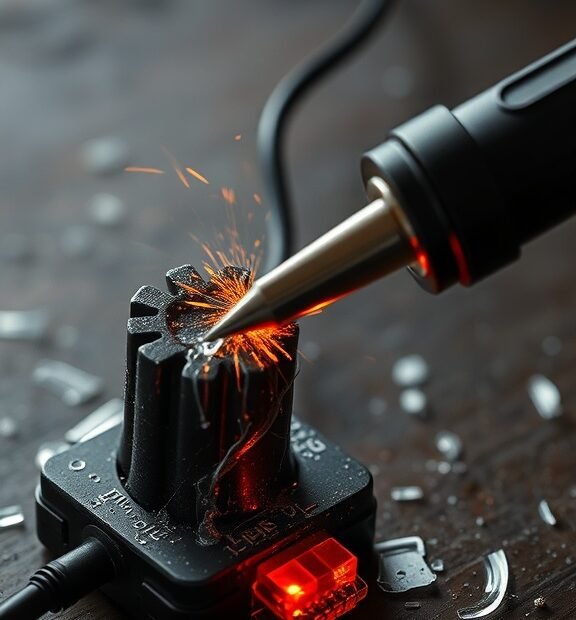
The Effects of Using a Soldering Iron on Different Types of Plastic
When working with a soldering iron, it’s crucial to understand how it affects different types of plastic. Many hobbyists and professionals alike find themselves questioning whether a soldering iron will melt plastic or if it can be safely used for tasks involving plastic components. The short answer is yes, a soldering iron can melt plastic, but the impact varies significantly depending on the type of plastic involved.
Plastics come in many forms, each with its own characteristics and melting points. To help you navigate this subject, let’s look at some common types of plastic and how a soldering iron interacts with them.
First, consider polyethylene (PE), one of the most widely used plastics. It has a relatively low melting point, ranging from 120°C to 180°C (248°F to 356°F). When you apply a soldering iron to polyethylene, it will melt quickly, making it easy to join pieces together. However, be cautious while working with it, as overheating can lead to damaging fumes. Always work in a well-ventilated area.
Next, we have polypropylene (PP), another common plastic with a slightly higher melting point of 160°C to 170°C (320°F to 338°F). You can use a soldering iron on polypropylene, but achieving a strong, clean bond requires careful temperature control. Too much heat can cause the plastic to warp or burn, creating an undesirable finish.
The use of a soldering iron is also relevant when dealing with polystyrene (PS). This plastic melts at a lower temperature, around 100°C to 120°C (212°F to 248°F). One notable feature of polystyrene is that it can begin to emit fumes even at lower temperatures. While it might be suitable for light applications like crafts or model building, be mindful that working with polystyrene requires careful monitoring to avoid excessive melting.
Acrylic, known as polymethyl methacrylate (PMMA), is another material many encounter. This plastic has a melting point between 100°C and 160°C (212°F to 320°F). Using a soldering iron on acrylic requires finesse; while you can join pieces together, the iron makes it easy to mar its clear surface. To prevent this, it’s advisable to use a lower temperature setting and a soldering tip suited for plastics.
ABS plastic, or acrylonitrile butadiene styrene, is a favorite in 3D printing and toy manufacturing. It melts at higher temperatures, between 210°C and 250°C (410°F to 482°F). A soldering iron can effectively weld ABS, but similar to other plastics, excessive heat can lead to burning or deformities. You should experiment with different temperatures to achieve the best results while minimizing damage.
While working with any type of plastic, it’s essential to consider a few key factors:
- Use appropriate temperature settings based on the type of plastic.
- Choose the right soldering iron tip, preferably one designed for plastics, to avoid marring surfaces.
- Work in a well-ventilated area and consider using a fume extractor when dealing with volatile materials.
- Practice on scrap pieces to refine your technique before working on important projects.
Another crucial aspect to keep in mind is the potential for melting away unintended areas of the plastic. When applying heat, do so in a controlled manner. Prolonged exposure can easily create holes or weak spots, which may compromise structural integrity. This is particularly important in applications like electronics, where a stable connection is vital.
While soldering irons can be used to join plastics, some may prefer alternatives, like plastic welding or hot air tools, particularly for larger repairs. Understanding each method’s pros and cons will make you better equipped to choose the right approach for your specific situation.
Knowing how a soldering iron affects different plastics allows you to make informed decisions in your projects. You’ll unlock new creativity, ensuring your plastic bonding techniques are both effective and safe. Whether you’re an enthusiast or a professional, understanding these nuances can significantly enhance your craftsmanship.
Safe Practices for Soldering Near Plastic Materials
Soldering can be a handy skill when tackling various DIY projects or repairs, but it comes with its own set of challenges, especially when working near plastic materials. It’s crucial to keep safety in mind and take steps to protect both yourself and the materials you’re working with. Let’s explore safe practices for soldering near plastic to ensure you can complete your projects successfully and without mishap.
Understanding the Risks
Before diving into soldering near plastics, it’s essential to recognize the risks involved. Soldering irons can reach temperatures of 350°F (175°C) or higher, which is hot enough to melt most plastic materials. Depending on the type of plastic, exposure to the heat can lead to warping, melting, or even combustion. Therefore, knowing what plastics are in proximity to your project is the first step to ensuring safety.
Choosing the Right Workspace
Your workspace plays a significant role in safe soldering practices. Here are a few tips to create a safe environment:
- Ventilation: Always work in a well-ventilated area to disperse any harmful fumes that may arise from soldering. If possible, consider using a fume extractor.
- Heat-Resistant Surface: Use a heat-resistant mat or surface to avoid damaging your workspace and to shield it from heat.
- Distance from Plastics: Ensure that any plastic materials are kept at a safe distance from the soldering area. This helps reduce the risk of accidental contact with heated tools.
Using Protective Gear
Wearing the right protective gear can greatly enhance your safety while soldering. Consider the following items:
- Safety Goggles: Protect your eyes from heat and any potential splashes of molten material.
- Heat-Resistant Gloves: These can help protect your hands from unexpected burns when handling hot tools.
- Face Mask: If you’re sensitive to fumes, wearing a mask can be beneficial in reducing inhalation of toxic particles.
Techniques to Minimize Damage to Plastic
Here are some techniques to use while soldering near plastic materials:
- Use Low-Temperature Solder: Consider using low-temperature soldering options that require less heat, reducing the chance of melting plastic.
- Heat Shields: Use heat-resistant shields or aluminum foil to protect any nearby plastic surfaces from soldering heat.
- Time Management: Limit the time you expose any plastic materials to heat. Try to work quickly and efficiently to reduce the risk of damage.
Additional Tips for Safe Soldering
Here are more practices to keep in mind:
- Keep Tools and Materials Organized: A cluttered workspace can lead to accidents. Ensure all your materials and tools are within reach, but not too close to where you solder.
- Secure Loose Parts: If you’re working on a project with multiple parts, secure them in place to prevent accidental movement toward the hot soldering iron.
- Regularly Check the Soldering Iron: Make sure the soldering iron is in good condition before use. Broken or faulty equipment can cause unexpected accidents.
Dealing with Accidents
Even with careful planning, accidents may still happen, so it’s wise to be prepared:
- Have a Fire Extinguisher: Always have a fire extinguisher on hand in case of emergencies when working with heat-sensitive materials.
- Cool Down Burned Areas: If plastic starts to melt and create gases or flames, quickly turn off your soldering iron. If it’s safe, move the heated item away from flammable materials.
- Seek Help: If someone is injured or there is significant damage to your workspace, do not hesitate to call for help.
By following these safe practices when soldering near plastics, you can effectively minimize risks and enjoy a more productive and safer soldering experience. Use effective tools, maintain safety practices, and make informed choices to protect both yourself and your materials. Happy soldering!
Conclusion
When using a soldering iron, understanding its effects on different types of plastic is crucial for successful projects. Each type of plastic has its own melting point; for instance, materials like PVC may start to deform at relatively low temperatures, while others, like polyethylene, can endure slightly higher heat. By being aware of these differences, you can better select the right soldering techniques and tools for your project, ensuring you don’t unintentionally damage the plastic components.
Implementing safe practices while soldering near plastic materials can significantly reduce risks. Always aim to work in a well-ventilated area to minimize exposure to harmful fumes. Using protective gear such as gloves and goggles is strongly advised, as these will help you avoid burns and injuries resulting from accidental contact with molten plastic. Furthermore, keeping a safe distance between the soldering iron and plastic can prevent potential melting or warping of materials.
Ultimately, being knowledgeable and cautious can help you navigate the challenges of soldering with plastic. Understanding the specific characteristics of different plastics will empower you to make informed decisions, allowing you to complete your projects without compromising the integrity of the materials. With careful planning and attention to safety, you’ll find that soldering and plastic can successfully coexist in your crafting and repair endeavors, leading to creative solutions and satisfying results. Remember to always respect the materials you work with, as this respect will benefit both you and your final creations.