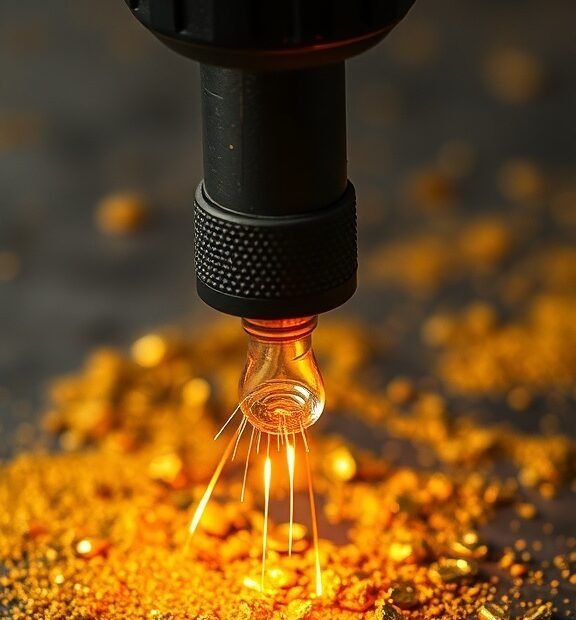
Can a Soldering Iron Effectively Melt Gold?
When you’re working on a project that involves precious metals, you might wonder if everyday tools can handle the task. One such tool is the soldering iron. A common question is whether a soldering iron can effectively melt gold. Let’s explore the capabilities of this tool and understand the science behind it.
The melting point of gold is around 1,064 degrees Celsius (1,947 degrees Fahrenheit). On the other hand, standard soldering irons typically heat up to about 350 to 450 degrees Celsius (662 to 842 degrees Fahrenheit). This significant difference in temperature leads to the first conclusion that a soldering iron is not designed to melt gold. However, before dismissing it entirely, let’s delve deeper into why it might be hard, and under what circumstances it may work.
Not all soldering irons are created equal. Some high-powered soldering irons and soldering stations can reach temperatures well above 450 degrees Celsius. If you have a soldering iron that can hit close to or above the melting point of gold (although rare), you could theoretically melt small amounts of gold under specific conditions. Still, it’s not a practical or efficient method for gold melting. Here are a few points to consider:
- Heat Distribution: Soldering irons typically focus heat on a small area. This characteristic makes it challenging to distribute heat evenly across a larger piece of gold needed for melting.
- Material Size: Using a soldering iron on larger or thicker pieces of gold is ineffective because those pieces will not reach the necessary temperature quickly enough.
- Time Factor: Even for small pieces, melting gold can take an extended period with a soldering iron compared to a torch or specialized furnace.
- Safety Concerns: Soldering irons aren’t designed for high-temperature metalworking. Attempting to melt gold could also pose safety risks, including burns or accidental damage to the iron itself.
The type of gold you’re trying to melt also matters. For example, if you have gold leaf or very thin gold wire, they might become malleable and change shape under a soldering iron’s heat but won’t fully melt. If your aim is to join or solder gold, using a soldering iron equipped with the correct soldering material that has a lower melting point can be viable. Remember, this involves not melting the gold itself but rather utilizing solder that bonds to the gold.
For those serious about melting gold for jewelry making, repairs, or recycling, other tools are far more effective. Here are some common methods:
- Propane Torch: Best for small-scale melting, a propane torch can reach gold’s melting temperature without excessive wait time.
- Induction Furnace: For more serious metalworking, an induction furnace allows you to melt larger amounts of gold effectively.
- Kiln: This method can help maintain a consistent temperature ideal for melting gold and is beneficial for larger batches.
Another point to consider is the application’s purpose. If you’re looking to melt gold as part of a hobby or craft project, investing in a specific tool like a small furnace or torch will save you time and ensure quality results. In contrast, if you merely need to solder gold for small repairs, a soldering iron can work well if you also have the right solder.
The bottom line is that while a soldering iron can theoretically reach temperatures that could melt gold under specific, unusual conditions, it is inefficient and not recommended for melting. Instead, consider using more suitable tools designed for working with metals. This will ensure your projects are successful and safe. In practical terms, leave the melting of gold to the equipment designed for that purpose, and you’ll achieve better results with much less hassle.
So, while a soldering iron is an essential tool in many crafts and repairs, melting gold isn’t one of its strong suits. Explore other options when working with this precious metal and enjoy the process of creating beautiful pieces!
The Proper Techniques for Melting Precious Metals Safely
Melting precious metals such as gold, silver, and platinum can be a rewarding process, especially in the jewelry-making or metal recycling sectors. However, it requires attention to detail and safety precautions. Below are some proper techniques to ensure that you melt precious metals safely and effectively.
Understanding the Required Equipment
To start melting precious metals, you’ll need specific tools and materials. Here’s a quick list of essential equipment:
- Soldering iron or a furnace suitable for high-temperature melting
- Crucible, preferably made of ceramic or graphite for high heat resistance
- Protective gear: goggles, gloves, and an apron
- Metal mold to shape the melted metal
- Heat-resistant surface to work on
- Flux agent to reduce oxidation
Ensure that your tools are clean and free from contaminants that could affect the quality of your melted metal. Always check your equipment for signs of wear and tear before beginning.
Choosing the Right Location
The melting process can emit harmful fumes and sparks, making it important to select the right workspace. Here’s what you should consider:
- Choose a well-ventilated area to disperse any toxic fumes.
- Make sure the work surface is non-flammable and sturdy.
- Avoid melting metals near flammable materials or liquids.
- Consider using a designated area or studio to concentrate on melting and crafting.
Safety First
Your safety while melting precious metals cannot be overstated. Follow these guidelines:
- Always wear protective eyewear to shield against sparks and splatter.
- Use gloves to protect your hands from high heat and hot materials.
- Keep a fire extinguisher nearby in case of emergency.
- Make sure to have a first-aid kit on hand to address any minor injuries.
Melting Techniques
Once you have your setup ready, you can start the actual melting process. Here are steps you can follow:
- Prepare the Crucible: Place your metal scraps inside the crucible and add a small amount of flux to help prevent oxidation.
- Heat Application: For small amounts, a soldering iron can suffice, but a furnace or torch is more suitable for larger quantities. Heat gradually to prevent shock to the metal.
- Monitor Temperature: Precious metals have specific melting points—gold melts at around 1,064°C (1,947°F), while silver melts at about 961.8°C (1,763°F). Use a pyrometer or thermocouple to monitor the heat accurately.
- Stirring: Once the metal is liquid, carefully stir it to mix any alloying elements and ensure consistency.
- Molding: Once fully melted, pour the molten metal into the prepared mold carefully. Allow it to cool down so it solidifies in the shape you desire.
Cleaning and Finishing Touches
After your metal has cooled and solidified, it will require cleaning:
- Use a pickle solution or diluted vinegar to remove oxidation and any flux residue.
- Rinse with water and dry thoroughly.
- Polish with appropriate tools to give your newly shaped metal a nice finish.
Following these techniques will help you melt precious metals safely and successfully, whether you are a hobbyist or a professional. Always prioritize safety and precision in your work, and you will enhance both your skills and the quality of your projects.
Conclusion
Melting gold with a soldering iron is a topic that piques the curiosity of many hobbyists and jewelers alike. While a soldering iron can reach temperatures around 400 degrees Fahrenheit, gold requires much higher temperatures to melt—approximately 1,064 degrees Celsius or 1,947 degrees Fahrenheit. Unfortunately, this means that a standard soldering iron will not effectively melt gold.
If you are looking to melt gold or other precious metals, it is essential to use the proper tools that can reach the necessary heat. A dedicated furnace or a specialized torch designed for metalwork is much more suitable for achieving the high temperatures required. Using the right equipment goes hand-in-hand with employing safe practices. Always wear proper safety gear, such as gloves and goggles, to protect yourself from the hazards associated with high-temperature metalworking.
Additionally, ensure your workspace is well-ventilated and free from flammable materials. Understanding these techniques not only enhances your ability to work with precious metals but also contributes to a safer and more enjoyable crafting experience. With the correct knowledge and tools, you’ll be able to melt gold and create beautiful pieces without compromising safety.
While a soldering iron is not up to the task of melting gold, knowing the proper techniques and utilizing the right equipment will allow you to engage in metalworking effectively and safely. Embrace the art of precious metal crafting with confidence, and unlock your creative potential!