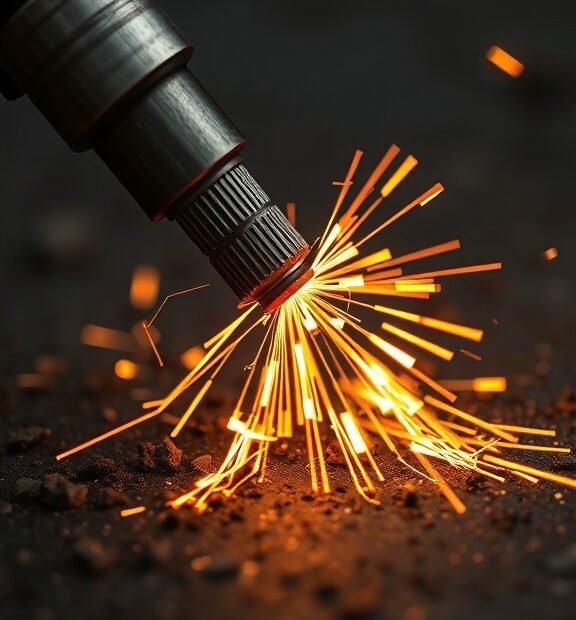
Exploring the Capability of a Soldering Iron to Melt Aluminum
When working with metals, it’s essential to know the specific properties of each material, especially when it comes to melting temperatures. One common question that arises among hobbyists and professionals alike is whether a soldering iron can melt aluminum. This inquiry is important because knowing how to manipulate materials correctly can lead to more successful projects.
Aluminum has a relatively low melting point of about 1,220°F (660°C). However, most soldering irons typically reach temperatures around 350°F to 450°F (177°C to 232°C), which is not sufficient for melting aluminum. This fundamental limitation means that a standard soldering iron will not effectively melt aluminum for applications that require the metal to be in a liquid state.
Here are a few reasons why a soldering iron is not suitable for melting aluminum:
- Insufficient Temperature: As mentioned earlier, the maximum temperature of a soldering iron falls below aluminum’s melting point. Therefore, if you attempt to melt aluminum with a soldering iron, you’ll only be able to heat it and not liquefy it.
- Targeted Application: Soldering irons are designed for joining components by heating solder, not for melting metals. They provide precise heat control for delicate tasks, making them suitable for electronics but not for heavy-duty metalworking.
- Oxidation Issues: Aluminum tends to oxidize quickly when exposed to high temperatures. When using a soldering iron, the insufficient heat might not only fail to melt the aluminum but also promote oxidation, which can interfere with successful joints or repairs.
If your project requires working with aluminum, you might want to consider other tools and methods specifically designed for this purpose.
For example, a propane torch or a dedicated aluminum melting furnace can reach the necessary temperatures to melt aluminum efficiently. These tools are capable of producing flames that can exceed 1,500°F (815°C), thus allowing you to liquefy aluminum easily.
In addition to the right tools, using the correct solder material is crucial when working with aluminum. Regular solder typically does not adhere well to aluminum due to its oxide layer. You should opt for a specialty aluminum solder that contains flux to prevent oxidation and promote a strong bond.
Here are some tips for working with aluminum effectively:
- Use the Right Tool: For melting aluminum, you can consider using a small furnace or a high-temperature torch, depending on the volume of aluminum you intend to melt.
- Prepare the Surface: Clean the aluminum you want to work with. This step is vital as it removes any oxide that may hinder the bonding process.
- Choose Specialized Materials: Make sure to select solder designed explicitly for aluminum to ensure proper bonding.
In a situation where a soldering iron could be beneficial, it might involve tasks like attaching components to aluminum circuit boards or performing minor repairs on aluminum parts. However, remember that it will still not melt the aluminum itself. Instead, it can be used for other soldering tasks that utilize appropriate soldering methods without attempting to liquefy the base material.
While a soldering iron excels at many tasks in electronics and small metalwork, it does not possess the capability to melt aluminum. Understanding the limitations of your tools can lead you to a more effective approach and better results in your projects. Explore alternatives designed for metalwork if your goal is to manipulate aluminum effectively. This knowledge will enhance your skills and ensure that you achieve successful outcomes in your projects.
Effective Techniques for Soldering Aluminum: Tools and Tips
Soldering aluminum can be a challenging task due to its unique properties. Unlike other metals, aluminum tends to oxidize quickly. This layer of oxidation can create barriers that prevent a solid bond when you try to solder. However, with the right techniques, tools, and tips, you can effectively solder aluminum for your projects.
Before diving in, it’s essential to gather the right materials. You will need a soldering iron, flux, solder, cleaning supplies, and a suitable working environment to achieve the best results. Here’s a breakdown of what you will need:
- Soldering Iron: Choose one with a high wattage, ideally 100 watts or more. This power helps in providing sufficient heat to melt the solder and the aluminum.
- Flux: Use flux specially designed for soldering aluminum. This helps to prevent oxidation and allows the solder to flow smoothly.
- Solder: Look for aluminum solder, which often contains materials that are easier to bond with aluminum.
- Cleaning Equipment: Employ a wire brush or sandpaper to prepare the aluminum surface. A clean surface is key to a successful solder joint.
- Protective Gear: Always work with gloves and goggles to safeguard against burns or metal splashes.
Once you have gathered your tools, follow these steps to achieve effective soldering results.
Clean the Aluminum Surface
Start by cleaning the aluminum surface thoroughly. Use a wire brush or sandpaper to remove any oxidation or dirt. This step is crucial because any residue can hinder the solder from adhering correctly. Ensure that the area you’re going to solder is shiny and clean.
Apply Flux
After cleaning, apply a generous amount of flux to the area you want to solder. Flux acts as a protective barrier against oxidation and allows the solder to adhere. Make sure to choose the right flux for aluminum; this can make a significant difference in the soldering process.
Heat the Iron
Plug in your soldering iron and allow it to reach the desired temperature. Since aluminum requires more heat to melt and bond effectively, ensure the iron is adequately heated, ideally between 350-450°C (662-842°F). Test the temperature by touching the iron to a piece of scrap aluminum.
Apply Heat to the Aluminum
Hold the soldering iron against the aluminum surface for several seconds. Remember to focus on the area that has flux applied. This will preheat the metal, ensuring a smooth soldering process. Once the metal reaches its melting point, you will see the flux bubbling, which indicates it’s ready for solder.
Add the Solder
Now, bring the solder to the joint while keeping the soldering iron in place. Allow the solder to flow into the joint naturally. It’s important not to force it; the heat will help draw the solder into the gap. You may need to adjust the angle of your soldering iron to help solder flow properly. Once the solder begins to puddle, it means it’s bonding effectively.
Allow Cooling
After applying enough solder, remove the soldering iron and allow the joint to cool naturally. Avoid touching the joint while it’s still hot to prevent distortion or damage to the soldering area.
Inspect the Joint
Once cooled, examine the solder joint to ensure it’s smooth and secure. A good joint should look shiny and uniform. If you notice any dull or rough spots, consider reapplying heat and adding more solder, or cleaning the area and starting over.
Soldering aluminum doesn’t have to be daunting. By employing these effective techniques and preparing properly, you can achieve solid and reliable bonds for your aluminum projects. Remember that practice makes perfect, so don’t hesitate to test your skills on scrap pieces before moving on to your main work.
Happy soldering!
Conclusion
Understanding whether a soldering iron can melt aluminum is essential for anyone looking to work with this versatile metal. While some soldering irons can reach high enough temperatures to cause aluminum to melt, the process is not straightforward. Aluminum has a melting point of around 1220°F (660°C), which is higher than what many standard soldering irons can achieve. Therefore, it’s crucial to select a soldering iron with sufficient power if you’re aiming to melt aluminum effectively.
To get the best results when soldering aluminum, several techniques come into play. Using the right tools, such as a soldering iron specifically designed for aluminum or a high-wattage soldering iron, can make a significant difference. Additionally, applying heat steadily and using the correct type of solder designed for aluminum can aid in achieving a strong bond. Employing flux also enhances the process by cleaning the surface and ensuring good conductivity.
Ultimately, melting and soldering aluminum is a delicate task that requires the right equipment and technique. With a solid understanding of the capabilities of your tools and the properties of aluminum, you can confidently tackle your aluminum soldering projects. Whether you are a beginner or an experienced hobbyist, embracing these tips and techniques will help you achieve the results you desire. So, equip yourself with the knowledge and the right tools, and dive into the fascinating world of aluminum soldering with confidence!