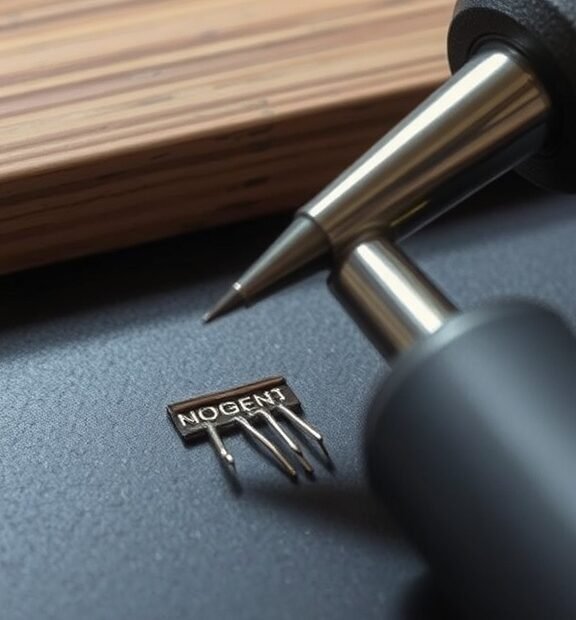
Common Reasons Why Solder Won’t Stick to Your Soldering Iron
Soldering is a critical skill for many DIY enthusiasts and professionals. However, there are times when you might find yourself asking, “Why won’t solder stick to my soldering iron?” Understanding the common reasons can help you troubleshoot the issue effectively. Here, we’ll explore various factors that may prevent solder from adhering well to your soldering iron, enabling you to achieve better results in your projects.
One common reason for solder not sticking is the presence of oxidation on the soldering iron’s tip. When the tip becomes oxidized, it forms a layer that repels solder. Make sure to keep your soldering iron tip clean. Regularly wipe it with a damp sponge or brass sponge while working. This helps remove oxidation and allows solder to flow freely.
Another factor could be inadequate heating of the soldering iron. If your iron isn’t hot enough, the solder won’t melt properly, making it difficult for it to stick. Ensure that your soldering iron reaches the appropriate temperature for the type of solder you are using. Typically, a temperature around 350°C (662°F) is suitable for most solder types.
Choosing the wrong type of solder can also lead to poor adhesion. There are various types of solder available, and not all of them are suitable for every application. For instance, lead-free solders require higher temperatures compared to traditional lead-based solders. Make sure you are using the right solder for your specific job to improve adhesion.
An insufficient amount of flux can create problems as well. Flux is vital for the soldering process, as it cleans and prepares the metal surfaces for soldering. If there isn’t enough flux, the solder may not adhere properly, leading to weak or failed connections. Ensure that you are applying the correct amount of flux when soldering to enhance the bonding process.
Improper technique can also play a role in your struggle with solder adhesion. Ensure you are applying the solder directly to the joint or component rather than just the soldering iron tip. This helps the solder absorb heat from the surfaces, allowing it to melt and adhere effectively.
Environmental factors might hinder your soldering efforts as well. For example, working in a cold room can make it harder for solder to flow and stick. Try to maintain a warm ambient temperature in your workspace. Additionally, moisture in the air can cause corrosion or create a barrier that prevents solder from adhering properly as well.
- Oxidation: Clean your soldering iron tip regularly.
- Temperature Issues: Ensure your soldering iron reaches the right temperature.
- Incorrect Solder Type: Use the appropriate solder for your project.
- Insufficient Flux: Apply the correct amount of flux to the surfaces.
- Poor Technique: Apply solder directly to the joint instead of the tip.
- Environmental Factors: Maintain a suitable temperature and humidity level.
If you’ve tried these solutions and solder still won’t stick, it might be time to inspect your soldering iron itself. A worn-out tip can have a negative impact on soldering performance. If your tip is damaged or significantly oxidized, consider replacing it with a new one. Remember, a good quality soldering iron tip can make a significant difference in the effectiveness of soldering.
Ensure your joints are not contaminated. Dust, grease, and oil can create barriers that prevent solder from sticking. Always clean the surfaces to be soldered before applying flux and solder. This cleanliness enhances the flow of solder and secures a strong bond.
By understanding these common reasons why solder won’t stick to your soldering iron, you can troubleshoot your projects more effectively. Optimal soldering involves a combination of proper technique, suitable materials, and the right working conditions. Equip yourself with this knowledge to enhance your soldering skills and achieve robust, reliable connections in your work.
Effective Tips for Maintaining Your Soldering Iron’s Performance
Maintaining your soldering iron’s performance is key to achieving clean, reliable solder joints. A well-maintained soldering iron not only extends its life but also enhances your soldering skills. Here are effective tips to ensure your soldering iron performs at its best, helping you to achieve efficient results every time.
First, keep the tip of your soldering iron clean. Oxidized tips can drastically reduce solder adhesion. Use a damp sponge or brass wire cleaner to periodically wipe the tip while soldering. This will remove any residue or oxidation that can form during use. Make it a habit to clean the tip before and after each use to maintain optimal functionality.
Next, ensure that you use the correct temperature setting for your work. Too high a temperature can damage electronic components and oxidize the tip quickly. Conversely, too low a temperature can lead to poor soldering results. For most electronic projects, a temperature of around 350°C (662°F) works well. Adjust according to the materials you are working with.
Another important aspect of maintenance is proper tinning of the soldering iron tip. Tinning involves coating the tip with a small amount of solder before and after each use. This prevents oxidation and keeps the tip in good condition. Just heat the iron, melt some solder onto the tip, and then wipe it clean before soldering. Tinning ensures that heat transfers efficiently from the tip to the solder.
Investing in a good soldering iron stand can also improve your soldering experience. A quality stand not only keeps the soldering iron securely in place but also prevents accidental burns or damage. A stand with a stable base and a holder for a damp sponge will help you keep the tip clean without unnecessary effort.
It’s crucial to be mindful of how you store your soldering iron. If you don’t have a proper stand, don’t leave the iron resting on its tip or on surfaces that can be damaged. A dedicated case or holder can protect the tip and body from wear and tear. Avoid exposing the iron to extreme temperatures or humidity, as this can affect performance over time.
Another part of regular maintenance is inspecting for any physical damage. Periodically check the electrical cord for frays or breaks, and ensure the tip is securely attached. If the tip is worn down or the iron is not heating properly, it may be time to replace the tip or repair the soldering iron to prevent further issues.
Regularly replacing the soldering iron tip is an important task that should not be overlooked. A worn or damaged tip can lead to poor soldering performance and difficult solder adhesion. Depending on usage, consider replacing the tip every few months or sooner if you’re noticing performance issues. This small investment can greatly improve the quality of your work.
Consider your solder quality. The choice of solder material can significantly influence your results. Quality solder contains the right balance of flux and metal content. Make sure you are using a solder that fits your application, such as lead-free solder for electronics, which is safer and more environmentally friendly.
Here’s a quick checklist for maintaining your soldering iron:
- Keep the tip clean with a damp sponge or brass cleaner.
- Tinning the tip before and after use.
- Use the correct temperature setting.
- Store it properly in a dedicated stand or holder.
- Inspect for any damage to the cord and tip regularly.
- Replace tips when they show signs of wear.
- Choose quality solder for the best results.
Using these effective tips will not only help you maintain your soldering iron’s performance but will also provide you with a better soldering experience. Consistent care and attention to your tools ensure that every project turns out successfully, making your soldering tasks easier and more enjoyable.
Conclusion
Understanding why solder won’t stick to your soldering iron is key to a smoother soldering experience. Poor heat retention, oxide buildup, or even wrong types of solder can lead to frustration during projects. By identifying these common issues, you can troubleshoot effectively and avoid setbacks that might halt your progress.
To keep your soldering iron performing at its best, regular maintenance is crucial. Always clean the tip before and after each use to prevent oxidation and ensure optimal heat transfer. Additionally, tinning the tip with fresh solder can greatly improve adherence and prolong the life of your soldering iron.
Remember, using the appropriate solder for your specific projects is just as important. Whether you’re working on electronics, jewelry, or metal crafts, selecting the right solder type will significantly affect your results. Take time to familiarize yourself with your tools and materials, and don’t be afraid to invest in quality equipment.
With a better understanding of why solder won’t stick and how to maintain your soldering iron, you can enhance your skills and confidence. Once you resolve these challenges, you’ll find soldering becomes not only easier but also more enjoyable. Happy soldering, and may your connections be strong and reliable!