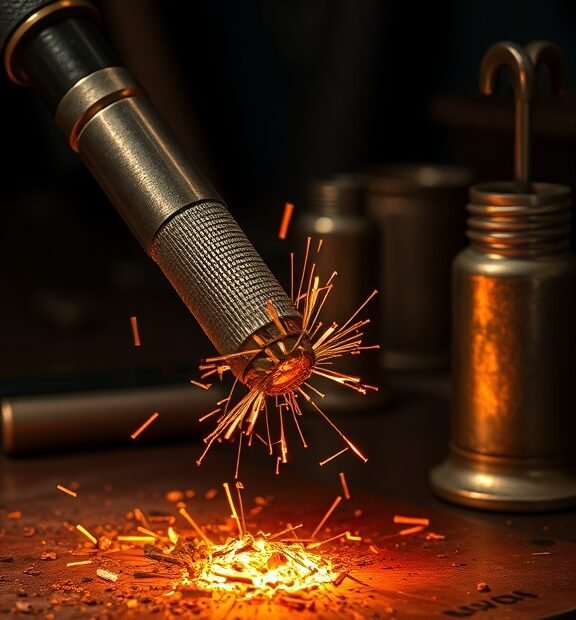
The Role of Copper in Soldering Iron: Properties and Benefits
Copper is a vital element in the manufacture of soldering irons and plays a key role in the soldering process. Its distinctive properties make it an indispensable choice for creating a reliable and effective tool for joining metals together. Understanding why copper is used in soldering irons can help you appreciate the engineering behind this essential tool and guide you in making informed decisions when choosing one.
First, it’s important to recognize the thermal conductivity of copper. This metal has an excellent ability to conduct heat, which is crucial for soldering. When you use a soldering iron, the tip needs to reach high temperatures quickly to melt solder and create a strong bond between metals. Copper’s high thermal conductivity allows the tip to heat up almost instantly. This feature is not just a convenience; it can significantly reduce the time spent on a project, making the soldering process much more efficient.
Another significant benefit of copper in soldering irons is its ability to maintain heat effectively. Once the heating element has raised the temperature of the copper tip, it keeps that heat longer than many other materials. This means that during your soldering tasks, you won’t need to reheat the tip frequently. This stability is especially beneficial in detailed work, where consistent temperature prevents overheating or damaging sensitive components.
Copper offers excellent resistance to oxidation. When soldering iron tips are exposed to air, they can oxidize over time, negatively affecting their performance. Copper, however, forms a protective layer when it oxidizes, which helps maintain its usability and prolongs the life of the tip compared to those made from materials that do not have this feature. This means less time spent on replacements and maintenance, providing better value in the long run.
Furthermore, copper’s malleability is a noteworthy aspect. This property allows for easy shaping and forming of the soldering iron tips, which can cater to various soldering applications. Whether you need a fine tip for intricate circuit work or a broader tip for larger connections, copper can be crafted to suit those needs. This versatility is vital, allowing users to have the right tool for different jobs.
When discussing the soldering tips themselves, many are made of copper but often have a coating of another metal, such as nickel or tin, to enhance their performance and durability. The coating protects the copper from corrosion and helps prevent the solder from sticking too much to the tip. This makes the soldering process smoother and reduces the need for frequent cleaning.
Here are a few of the key benefits of using copper in soldering irons:
- High thermal conductivity: Quickly heats up and efficiently transfers heat.
- Heat retention: Maintains temperature, requiring less frequent reheating.
- Oxidation resistance: Forms a protective layer to prolong the tip’s lifespan.
- Malleability: Enables shaping for various applications and projects.
- Surface coatings: Enhanced performance through protective coatings against corrosion.
A common concern regarding copper is its price, as it is generally more expensive than other materials used for soldering iron tips. However, the benefits it provides, like durability and efficiency, often outweigh the higher initial cost. Over time, you save on replacements and improve your overall soldering experience.
Copper is a premier choice for soldering iron tips due to its unique combination of properties. Its high thermal conductivity, excellent heat retention, resistance to oxidation, malleability, and compatibility with protective coatings make it a standout choice. For anyone serious about soldering, understanding these benefits can lead to better project outcomes and a more satisfying crafting experience. If you’re looking to improve your toolset, consider investing in a soldering iron with a copper tip for superior performance.
Comparison of Copper and Other Materials Used in Soldering Tools
Soldering is a vital skill in electronics and metalwork, and choosing the right materials for soldering tools is paramount for achieving high-quality results. Copper, along with other metals, serves as an essential component in soldering irons. Understanding how copper compares to these materials will help you make informed choices for your soldering projects.
Copper is favored in soldering tools for several reasons, primarily due to its excellent thermal conductivity. This feature allows soldering irons with copper tips to heat up quickly and maintain a consistent temperature. As a result, users can achieve precise solder joints without damaging sensitive components. Other materials used in soldering tools, such as aluminum and stainless steel, do not offer the same level of thermal efficiency.
Advantages of Copper in Soldering Tools
Copper provides a multitude of benefits for soldering applications:
- High Thermal Conductivity: Copper heats up rapidly, ensuring that the solder melts precisely when needed.
- Durability: Copper tips are resistant to wear and tear, allowing for prolonged usage without significant degradation.
- Corrosion Resistance: Though copper can oxidize, many soldering iron tips are coated to enhance durability against corrosion.
- Ease of Use: Copper tips can be easily shaped to fit various soldering needs, making them versatile for different tasks.
- Compatibility: Copper works well with both lead-based and lead-free solders, ensuring it appeals to a broad audience.
Comparison with Other Materials
While copper stands out, it’s essential to know how it compares to other materials commonly found in soldering tools.
Aluminum
Aluminum is lighter than copper, which makes it a popular choice for some portable soldering tools. However, its thermal conductivity is significantly lower than that of copper. This disadvantage leads to slower heating times and uneven heat distribution, resulting in potential soldering challenges. Additionally, aluminum can oxidize quickly, which may affect its performance over time.
Stainless Steel
Stainless steel is known for its excellent resistance to corrosion and high durability. However, it falls short when it comes to thermal conductivity. This means that a stainless steel soldering iron may take longer to heat up and might not maintain temperature as well as a copper-based one. As a result, there’s a risk of overheating components, leading to potential damage.
Titanium
Titanium is becoming popular in specialized soldering applications due to its strength and resistance to corrosion. Like stainless steel, titanium does not boast the same thermal conductivity as copper. While it does offer some advantages, those benefits often come at a much higher cost. For general soldering tasks, copper remains the more viable option for most users.
Key Takeaways
When comparing materials used in soldering tools, several crucial factors emerge:
- Thermal Efficiency: Copper surpasses aluminum, stainless steel, and titanium in thermal conductivity, making it ideal for precise soldering tasks.
- Weight vs. Functionality: While lighter materials like aluminum may offer portability, they compromise on effectiveness and heat maintenance.
- Cost-Effectiveness: Although alternative materials can have specific advantages, the affordability and accessibility of copper make it the top choice for hobbyists and professionals alike.
In assessing which material to use for soldering irons, consider the specific requirements of your projects. Copper’s speed, durability, and effectiveness continue to establish it as the standard in the soldering world. The ongoing evolution of soldering tool technology means that while alternatives are being explored and implemented, copper remains unmatched in its combination of practicality and performance.
Ultimately, whether you are a novice or a seasoned professional, understanding the strengths and weaknesses of copper and its competitors will guide you in selecting the right soldering tools for your needs. This knowledge can enhance both the quality of your projects and the efficiency of your work, ensuring that your soldering experience is as seamless as possible.
Conclusion
Copper stands out as an essential component in soldering irons due to its remarkable properties and numerous benefits. Its excellent thermal conductivity ensures that heat is distributed evenly throughout the soldering tip, resulting in precise and efficient work. This means you can quickly reach the desired temperature, allowing for smooth soldering without overheating the components being joined. Additionally, copper’s durability and resistance to corrosion enhance the longevity of the tool, making it a valuable choice for both professionals and hobbyists.
When comparing copper to other materials used in soldering tools, such as aluminum or stainless steel, copper consistently outperforms in key areas. While aluminum is lighter and stainless steel is more resistant to rust, neither offers the same level of thermal efficiency that copper provides. Using a soldering iron with a copper tip enables you to work at optimal temperatures, which is crucial for achieving strong, reliable joints without damaging sensitive electronic components.
The unique qualities of copper make it an indispensable choice in the world of soldering. Its ability to heat quickly and maintain an even temperature is particularly advantageous when precision is required. By understanding the role of copper and how it compares to other materials, you can make informed decisions when selecting your soldering tools. Ultimately, investing in a copper soldering iron not only enhances your soldering experience but also fosters better results in your projects, ensuring that every connection is a strong one.