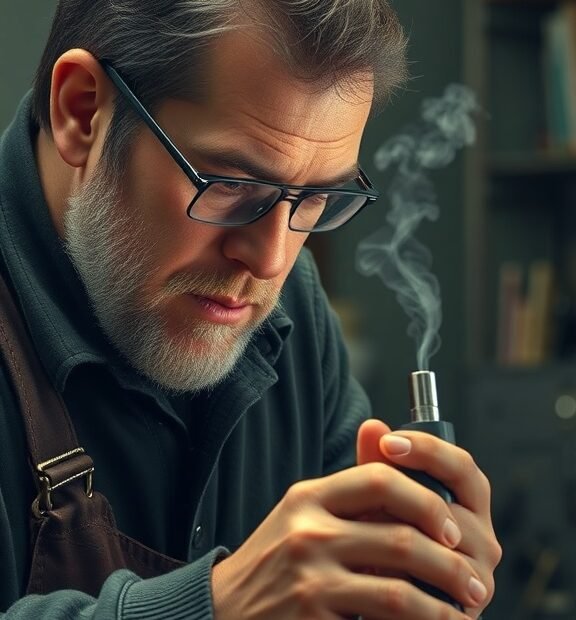
Evaluating Top Brands: Who Makes the Best Soldering Iron?
Soldering is a fundamental skill for electronics enthusiasts, hobbyists, and professionals alike. A high-quality soldering iron can significantly improve your DIY projects or repair tasks. However, with numerous options on the market, choosing the best soldering iron can be challenging. This article evaluates top brands to help you determine who makes the best soldering iron for your needs.
When assessing soldering irons, several factors come into play. Performance, temperature control, heating time, and build quality are critical aspects to consider. Additionally, brand reliability and user satisfaction also play a significant role in determining the best soldering iron for you.
Here’s a look at some of the leading brands that are often recognized for producing top-notch soldering irons:
- Weller: Known for its durable and reliable products, Weller has set the industry standard for soldering tools. Their soldering irons often feature adjustable temperature settings and ergonomic designs, making them a favorite among both hobbyists and professionals.
- Hakko: Hakko is a Japanese brand synonymous with quality and precision. Their soldering irons, especially the FX-888D model, are celebrated for fast heating, excellent temperature stability, and a wide selection of tips, making them versatile for any soldering task.
- TEKTON: A newer name in the soldering world, TEKTON has quickly garnered respect for its affordable yet effective soldering tools. Their designs emphasize user comfort and ease of use, perfect for beginners and those looking for a budget-friendly option.
- Porta Cable: For those needing heavy-duty performance, Porta Cable offers soldering irons that excel in industrial settings. Their models are built to withstand rigorous use and deliver consistent results.
- X-Tronic: This brand has a solid standing among tech enthusiasts for its combination of high-tech features and reliability. Many of their soldering irons come with digital temperature displays, helping users maintain precise heat for various applications.
Now, let’s delve a bit deeper into each brand to understand what sets them apart:
Weller offers models like the Weller WES51, which is especially popular for its simple design and dependable performance. Many users praise its fast heat-up time and the ability to maintain temperature, essential for intricate soldering jobs.
Hakko’s FX-888D is widely regarded as one of the best on the market. With its user-friendly interface and remarkable temperature recovery rate, it ensures that your solder joints remain clean and free of oxidation. This reliability makes it a go-to for professionals.
TEKTON’s soldering iron is perfect for beginners. It’s relatively inexpensive but doesn’t compromise on quality. Users often find that it heats quickly and is straightforward to operate, making the learning process easy and enjoyable.
Porta Cable produces heavy-duty options suitable for more demanding tasks. Their soldering irons are praised for their robust construction, providing reliability that professionals trust, especially in industrial settings.
X-Tronic devices include advanced features like automatic shut-off and programmable temperature settings. These features appeal to tech-savvy users who appreciate precision in their soldering tasks.
Choosing the right soldering iron ultimately depends on your specific needs. If you are a beginner, starting with a brand like TEKTON can provide you with the basics without a hefty investment. On the other hand, if you are a professional, brands like Hakko and Weller may serve your needs better due to their dependable performance and range of features.
Before making a purchase, it’s beneficial to read customer reviews and consider factors such as warranty and support provided by the manufacturer. A well-made soldering iron can last for many years, making it a worthy investment.
Don’t forget to consider additional equipment that complements your soldering iron. For example, soldering stations often include features like a place to rest your iron, a sponge for cleaning tips, and multiple safety features that enhance your soldering experience.
Ultimately, evaluating top brands for soldering irons leads us to one conclusion: the best soldering iron is the one that fits your requirements and budget while delivering reliable performance. Whether you choose Weller, Hakko, TEKTON, Porta Cable, or X-Tronic, investing in a quality soldering iron is a step toward achieving excellent results in your soldering projects.
Essential Features to Consider When Choosing a Soldering Iron
When you’re looking to buy a soldering iron, there are several essential features you’ll want to consider to ensure you choose the right model for your needs. Whether you’re a hobbyist or a professional, understanding these features can help you make an informed decision and lead to better soldering projects.
Wattage
The wattage of a soldering iron is a critical factor in its effectiveness. Generally, a soldering iron with a higher wattage heats up faster and maintains temperature better. Look for soldering irons within the range of 20 to 80 watts. For general electronics, a 30-40 watt iron is usually sufficient, while heavier work might require 60 watts or more.
Temperature Control
Temperature control is another important feature to consider. A soldering iron with adjustable temperature settings offers versatility to handle different materials and project types. This feature is especially useful when you work with sensitive components that can be damaged by excessive heat. Look for models that provide a range of temperatures, ideally between 200°C and 480°C (392°F and 896°F).
Tip Type and Size
The tip of the soldering iron is where the action happens. Different tips serve different purposes, so it’s crucial to choose one that fits your tasks. Common tip types include:
- Conical Tips: Great for precision work on small components.
- Chisel Tips: Ideal for larger areas and faster heating.
- Blade Tips: Useful for soldering multiple connections at once.
Additionally, ensure the tip size is appropriate for your work. Smaller tips require more precision, while larger tips can transfer heat more quickly for broader applications.
Ergonomics
Using a soldering iron can sometimes be a prolonged task, so comfort should not be overlooked. Look for features like a heat-resistant grip, a lightweight design, and a balanced weight distribution. These elements can significantly reduce fatigue and help you maintain control during intricate projects.
Power Source
Soldering irons come in two primary types based on their power source: electric and butane. Electric models are more common and are ideal for stationary workspaces. Butane soldering irons are portable, making them great for on-the-go repairs or outdoor projects. Determine your specific needs to select the optimal type for your use case.
Heating Technology
The method of heating can also vary. Traditional soldering irons utilize a resistive heating element, which can take longer to reach desired temperatures. On the other hand, those equipped with ceramic heating elements provide rapid heating and temperature stability. If you anticipate frequent use, investing in a soldering iron with better heating technology may enhance your experience.
Safety Features
Safety should always be a priority. Look for soldering irons that come with built-in safety features, such as:
- Sleep Function: Automatically turns off when not in use.
- Heat Shield: Protects you from accidental burns.
- Insulated Handles: Reduces the risk of electric shocks.
These safety measures can help prevent accidents while you work, making the soldering process much more enjoyable.
Brand Reputation and Warranty
Consider the reputation of the brand and the warranty offered. Brands with a long history of producing quality soldering tools generally provide better reliability and customer service. Check reviews from other users to assess their experience. A good warranty can also provide peace of mind, covering potential defects or failures in the tool over time.
Choosing the best soldering iron requires careful consideration of several factors, including wattage, temperature control, tip type, ergonomics, power source, heating technology, safety features, and brand reputation. By understanding these essential features, you can select a soldering iron that meets your needs and helps ensure successful soldering sessions for any project. Remember, taking the time to make an informed choice will enhance your tinkering experience and lead to better results in your projects.
Conclusion
Finding the right soldering iron can significantly impact your projects, whether you’re a hobbyist or a professional technician. Evaluating the top brands is crucial, as each manufacturer brings unique strengths and weaknesses to the table. Companies like Weller, Hakko, and Metcal are often highlighted for their reliability and performance. Remember that personal preference plays a large role when deciding who truly makes the best soldering iron for your needs.
When choosing a soldering iron, considering essential features is just as important as brand reputation. You’ll want to look for elements like temperature control, tip variety, and wattage that suit your specific tasks. For instance, if you’re working on delicate electronics, a soldering iron with adjustable temperature settings and fine tips will offer the precision you require. Conversely, for heavier projects requiring more heat, a higher wattage option is advantageous.
Ultimately, the best soldering iron is one that aligns with your projects’ demands, fits comfortably in your hand, and provides consistent performance. By focusing on what you need, rather than just brand names, you’ll be better equipped to make an informed decision. Take your time to research and compare, as a well-chosen soldering iron can make all the difference in achieving top-notch results on your projects. Whether you’re soldering a circuit board or crafting jewelry, the right tool will enhance your skills and enjoyment in the process.