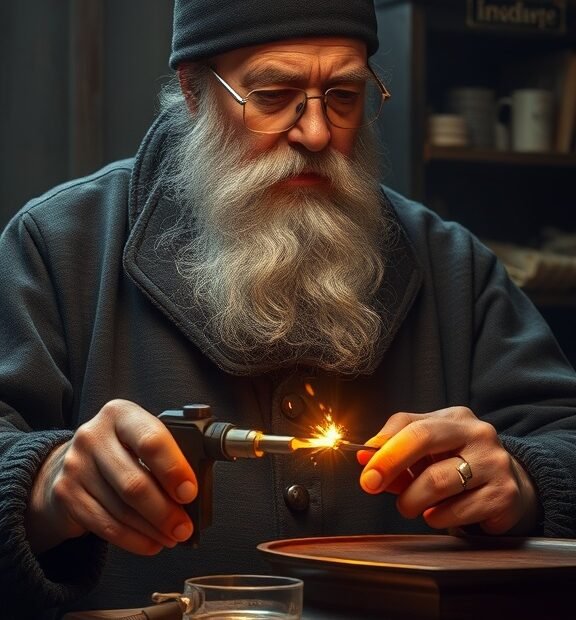
The Evolution of the Soldering Iron: Who Invented It and Its Impact on Modern Electronics
The soldering iron is an essential tool in electronics, helping to fuse components together with precision. But who invented the soldering iron, and how has it evolved over time? Understanding its history reveals how this tool has shaped modern electronics.
The origins of the soldering iron date back thousands of years. Early versions were simple tools made from metal rods or rods of iron that were heated in a fire. However, the modern soldering iron, as we know it, truly began to take shape in the 19th century. This was when advancements in metalworking techniques allowed for more efficient heating methods and better materials.
The earliest patents related to soldering tools can be traced to inventors in Europe, notably in France and England. One significant figure in this evolution was Henry M. Marshall, who patented a “soldering iron” in the United States in 1893. This patent introduced the notion of electrically heated soldering irons, marking a pivotal moment in electronics repair and assembly.
Soldering Stations | Easy 60 Day Return
The introduction of electric soldering irons transformed how soldering was performed. Before this, craftsmen relied on charcoal or gas flames to heat their tools, which made work less precise and more dangerous. Electric soldering irons allowed for instant heat, making it easier for you to work on delicate electronics and ensuring better connectivity.
The evolution didn’t stop there. By the mid-20th century, manufacturers began incorporating temperature controls and ergonomic designs into soldering irons. Here are some crucial points in the evolution:
Soldering Stations | Easy 60 Day Return
- 1930s: Development of electric soldering tools gained momentum, leading to the creation of more reliable soldering irons.
- 1950s: Introduced temperature regulation, allowing for consistent heat delivery.
- 1970s: The rise of inexpensive mass production led to broader availability and use of soldering irons in consumer electronics.
- 1980s: The development of soldering stations equipped with advanced features like digital displays and adjustable temperatures.
- 2000s: The introduction of lead-free solder and environmental concerns reshaped soldering practices.
With each innovation, the soldering iron has become an indispensable part of the toolkit for hobbyists and professionals alike. Understanding who invented the soldering iron and how it evolved helps you appreciate its impact on modern technology. Today, you can find different types of soldering irons that cater to various needs, from simple tasks to complex repair jobs.
The impact of the soldering iron reaches beyond just assembling components. It’s also about fostering creativity and innovation. As electronics have become more integrated into everyday life, soldering skills have empowered countless individuals to take on DIY projects, repair home devices, and even launch electronics-based startups.
Soldering Stations | Easy 60 Day Return
Even with the rise of alternative methods, such as soldering paste and reflow ovens, the soldering iron remains a staple. Its versatility allows you to tackle detailed work in tight spaces, which many new tools cannot achieve. For you as a user, it represents a blend of tradition and technology that continues to progress and adapt.
While the question of who invented the soldering iron may not have a straightforward answer, what’s clear is that its evolution reflects the growth of the electronics field. Each improvement in soldering technology has led to enhanced capabilities in creating and repairing electronic devices. Understanding the history of the soldering iron can inspire you as you take on your projects, reminding you that every piece of technology comes with a story.
Soldering Stations | Easy 60 Day Return
The soldering iron may seem like a small tool, but its contributions to modern electronics are massive. It has enabled rapid advancements in technology, allowing for the creation of complex devices we rely on today. Every time you solder, you connect with a rich tradition of innovation that has shaped the world we live in.
The Role of Soldering Iron in DIY Projects: Your Ultimate Guide to Soldering Techniques
Soldering has become a fundamental skill for many DIY enthusiasts and professionals alike. Whether you’re fixing a circuit board or crafting electronics from scratch, understanding the role of the soldering iron is crucial. With a little knowledge and practice, you can tackle various projects, making your DIY journey much more rewarding. Let’s dive into the essentials of using a soldering iron effectively.
Choosing the Right Soldering Iron
Before you start soldering, selecting the correct soldering iron is vital. Soldering irons come in various shapes and sizes, meaning you have several options based on your specific needs. Here are a few pointers to help you choose:
Soldering Stations | Easy 60 Day Return
- Wattage: For most projects, a soldering iron between 25 to 60 watts is adequate. Lower wattages may not heat quickly enough, while higher wattages can damage sensitive components.
- Tip Type: The tip determines how well you can solder. A fine tip is advantageous for intricate work, while a chisel tip is better for larger connections.
- Temperature Control: Some soldering irons come with adjustable temperature settings. This feature allows you to work effectively on different materials and components.
Essential Soldering Materials
Having the right materials on hand is just as important as having a good soldering iron. Here’s what you’ll need:
- Solder: Choose rosin-core solder for electrical projects. It melts easily and is great for connections.
- Flux: This helps clean the surfaces you’re soldering and improves the flow of solder.
- Soldering Iron Stand: Always keep your soldering iron in a stand when not in use to prevent burns and protect surfaces.
- Safety Gear: Don’t forget safety glasses and a work surface that can handle heat.
Basic Soldering Techniques
Once you have your tools ready, it’s time to learn some basic soldering techniques. Here are the steps to get you started:
Soldering Stations | Easy 60 Day Return
- Prepare the Work Area: Ensure you have a clean and organized workspace. Remove any debris and keep tools within reach.
- Heat the Soldering Iron: Plug in your soldering iron and allow it to reach the desired temperature for a few minutes.
- Apply Flux: Add a small amount of flux to the joint where you will be soldering. This helps with adhesion and improves conductivity.
- Heat the Joint: Place the tip of the soldering iron against both the component lead and the circuit board pad for a second or two to heat them equally.
- Feed in Solder: Gently introduce the solder to the joint while keeping the soldering iron in place. Remove the iron and allow the solder to cool and solidify.
Soldering Common Issues
Like any other skill, soldering comes with its challenges. Here are some common issues you might encounter:
- Cold Solder Joints: If the solder doesn’t melt properly, it creates a weak connection. Make sure to heat both parts of the joint adequately.
- Bridge Connections: If solder connects two pads unintentionally, you’ll have a short circuit. Ensure you keep your soldering iron tip clean to avoid this.
- Overheating Components: Too much heat can damage components. Use a soldering iron that operates within the ideal temperature for your project.
Advanced Soldering Techniques
Once you’re comfortable with the basics, you might want to explore advanced techniques such as:
Soldering Stations | Easy 60 Day Return
- Through-Hole Soldering: This involves drilling holes through a PCB and soldering components from the underside.
- Surface-Mount Soldering: Typically used for modern electronics, it requires precise application and often uses a soldering rework station.
By mastering these techniques and understanding the tools involved, you can enhance your DIY projects significantly. Whether you’re fixing things around the house or creating your gadgets, soldering is not just an art but a valuable skill in your DIY toolkit. Dive into your next project with confidence and enjoy the rewarding experience of soldering!
Conclusion
The journey of the soldering iron is a fascinating tale of innovation that has significantly shaped modern electronics. From its early origins to cutting-edge designs, the evolution of this tool underscores its critical role in the world of tech. Knowing who invented the soldering iron offers valuable context for understanding how far this essential device has come. Its ability to create solid, reliable connections in electronic components is crucial, and the benefits can be seen in everything from professional engineering to DIY hobbyist projects.
As you explore the art of soldering, embracing the techniques outlined in your ultimate guide can open doors to endless possibilities. Whether you are enhancing your knowledge of electronics or embarking on a creative DIY endeavor, mastering the soldering iron equips you with a valuable skill set. From making small repairs to building sophisticated gadgets, understanding soldering techniques will empower you to achieve your goals with confidence.
Soldering Stations | Easy 60 Day Return
By blending proper technique with the right tools, you can elevate your projects, creating high-quality connections that stand the test of time. As you engage with this powerful tool, remember that each solder joint you create not only reflects your technical skill but also contributes to the larger landscape of innovation in technology. The soldering iron may have been invented long ago, but its relevance and importance in our daily lives continue to expand as we explore new frontiers in electronics. Dive in and let your creativity spark!