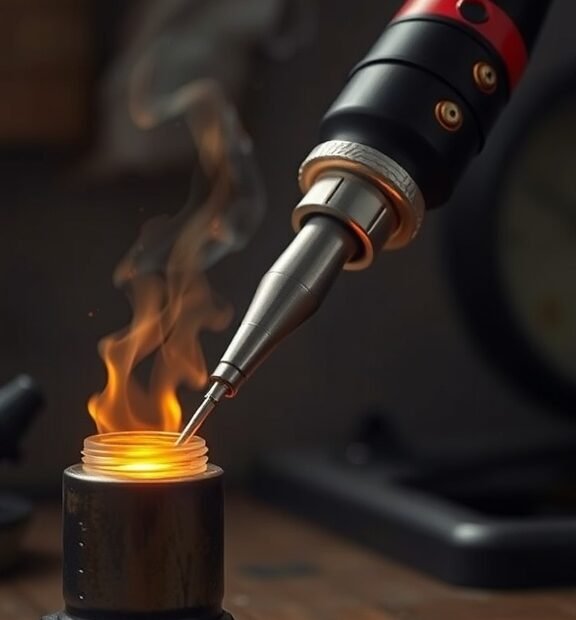
The Best Soldering Iron for Beginners: A Comprehensive Guide
Starting a new hobby can be exciting, and if you’re looking to dive into DIY projects or electronics, having the right tools is vital. One of the most essential tools you’ll need is a soldering iron. But which soldering iron is best for beginners? Here, we’ll explore what you should consider when choosing your very first soldering iron and highlight some of the top options specifically suited for newcomers.
Understanding the Basics of Soldering Irons
Before you make a purchase, it’s important to understand what a soldering iron does. A soldering iron is a tool used to melt solder—a metallic alloy used to join electronic components. When you’re just starting, you want an iron that is easy to use, heats up quickly, and is safe for beginners. Here are a few key factors to help you choose:
- Wattage: Most soldering irons fall between 20 to 60 watts. For beginners, a 30 to 40-watt iron is typically sufficient, as it heats up fast and is manageable for different types of projects.
- Tip Size: A finer tip is better for small components, while a larger tip may be preferable for bigger jobs. A soldering iron often comes with interchangeable tips, offering versatility.
- Temperature Control: Having a model with adjustable temperature settings can be beneficial. This allows you to fine-tune the heat based on your project needs.
- Ergonomics: Ensure the soldering iron is comfortable to hold. A well-designed grip can make a big difference, especially during long working sessions.
The Best Soldering Irons for Beginners
Choosing the right soldering iron doesn’t have to be overwhelming. Below, we’ve compiled a list of popular options that are often recommended for those just starting out:
Soldering Iron Kits & Accessories
- Weller WLC100: This soldering iron is a solid choice. It has an adjustable wattage of 5 to 40, making it versatile for various tasks. The build quality is durable, and it’s easy to change tips.
- Hakko FX888D: Although it’s a bit pricier, the Hakko is known for its reliability and efficient heat management. It offers digital temperature control, which is great for precise soldering.
- Tabiger Soldering Iron Kit: This is a fantastic starter kit. It comes with a 60-watt soldering iron, multiple tips, and solder wire—all you need to get started with basic projects!
- Vastar Soldering Iron Kit: With a budget-friendly price, this kit includes a 60-watt iron and all essential accessories. It’s a great way to dip your toes into soldering without a big investment.
Additional Accessories You Might Need
Investing in a good soldering iron is a smart move, but there are other accessories that can enhance your soldering experience:
- Solder Wire: Look for rosin-core solder wire, which is designed for electronics. The standard gauge for beginners is usually 0.8mm or 0.6mm.
- Soldering Iron Stand: A stand will keep your iron safe when not in use and prevent accidents. Many stands also come with a sponge to clean the tip.
- Safety Goggles: Always prioritize safety. Protect your eyes from any flying solder or debris.
- Desoldering Pump: If you make a mistake, a desoldering pump helps remove excess solder.
Tips for Getting Started with Soldering
As a beginner, there are several tips to keep in mind to ensure a successful soldering experience:
Soldering Iron Kits & Accessories
- Practice: Start with some practice projects using scrap electronics. This will help you get comfortable with the technique before moving on to more important tasks.
- Temperature Control: Ensure your iron is heated to the proper temperature (typically between 350°C to 400°C) before you start soldering.
- Clean Your Tip: A clean tip improves heat transfer. Use a wet sponge to wipe the tip regularly during use.
- Be Patient: Take your time. Rushing can lead to mistakes, so focus on getting each solder joint right.
Finding the best soldering iron for beginners can make all the difference in your journey. With the right tools and techniques, you’re well on your way to delving into the world of electronics with confidence!
Comparing High-End vs. Budget Soldering Irons: What You Need to Know
Soldering is an essential skill for electronics enthusiasts and DIY enthusiasts alike. When considering which soldering iron is best for your projects, understanding the differences between high-end and budget models is crucial. Both options have their advantages, and choosing the right one can significantly impact your soldering experience.
High-End Soldering Irons
High-end soldering irons are often equipped with advanced features and precision tools that cater to professional and serious hobbyist needs. Here are some key aspects to consider:
Soldering Iron Kits & Accessories
- Temperature Control: Many high-end models come with digital displays that allow for precise temperature adjustments. This ensures that you can work with a variety of materials without overheating or damaging components.
- Quick Heating: High-end soldering irons heat up faster, enabling you to start your work without long waits.
- Interchangeable Tips: These models typically have a variety of interchangeable tips, allowing you to select the best one for your specific task. Whether it’s fine work or heavy-duty soldering, there’s a tip designed for it.
- Ergonomic Design: Comfort matters! High-end soldering irons are often designed to fit comfortably in your hand, reducing fatigue during prolonged use.
- Durability: Built with high-quality materials, these soldering irons can withstand heavy use and last longer, making them a good investment for serious hobbyists and professionals.
Budget Soldering Irons
On the other hand, budget soldering irons have their place, especially for beginners or for those who only need the tool for occasional use. Here’s what you should know:
- Cost-Effective: Budget options are more affordable, making them accessible for everyone. They’re great for starters who may not want to spend a lot on a hobby.
- Simplicity: Many budget soldering irons are straightforward with fewer features. This simplicity can be appealing to beginners who may not need advanced functions.
- Decent Performance: While they may lack some of the features of high-end models, budget soldering irons can still perform basic tasks effectively, making them suitable for simple soldering jobs.
- Lightweight: Many budget soldering irons are lightweight and portable, making them easy to carry around for small jobs or repairs.
The Ideal Choice for You
Deciding between high-end and budget soldering irons comes down to your specific needs and preferences. Consider asking yourself the following questions:
Soldering Iron Kits & Accessories
- How often will you be soldering? If you only plan to do it occasionally, a budget model may suffice. If soldering is a regular task, investing in a high-end model might pay off in the long run.
- What types of projects will you tackle? For intricate electronic work or projects requiring different temperature settings, a high-end iron is advisable. For straightforward, quick fixes, a budget iron can do the trick.
- Do you require specific features? If features like temperature control and interchangeable tips are important to you, you may find the investment in a high-end soldering iron worthwhile.
Building Your Soldering Skills
Regardless of which soldering iron you choose, practice is key to mastering your skills. Beginners should start with simple projects and gradually take on more complex tasks as they gain confidence. Additionally, investing in a decent soldering station can further enhance your precision and control over your work, especially in more intricate projects.
Ultimately, whether you choose a high-end or a budget soldering iron, knowing what to look for can help ensure that you have the right tools for the job. Both types have their unique benefits, and understanding these differences will lead you to the best soldering iron for your needs. Happy soldering!
Conclusion
Choosing the right soldering iron can significantly influence your crafting or repair experience, whether you are just starting out or looking to upgrade your tools. For beginners, the best soldering irons combine user-friendly features, reliable performance, and affordability, making them a great starting point. A comprehensive guide to selecting a soldering iron for newcomers highlights the importance of ease of use and safety, ensuring that you gain confidence as you learn the skill.
Soldering Iron Kits & Accessories
On the other hand, when comparing high-end and budget soldering irons, several key factors emerge. High-end models often offer superior temperature control, quick heating times, and higher quality tips that can withstand heavy usage. These features can provide better results for projects that require precision and durability. However, budget options can still provide satisfactory performance for occasional use or simpler tasks, making them appealing for hobbyists who don’t need professional-grade tools.
Understanding your needs and the types of projects you plan to tackle will guide your decision-making process effectively. Whether you prioritize cost or advanced features, knowing the strengths of each option will help you make an informed choice. Ultimately, selecting the right soldering iron not only enhances your soldering skills but also improves the quality and enjoyment of your work. Experiment with different options and find the perfect fit for you, making your soldering endeavors both successful and fulfilling.