Choosing the Right Soldering Iron for Electronics Projects
When it comes to working on electronics projects, selecting the right soldering iron is crucial. There’s a wide range of options available on the market, and understanding your needs is key. You might be wondering, “Which soldering iron for electronics is best for me?” This guide will help you make an informed choice.
First, consider the type of projects you plan to undertake. Are you a beginner or a seasoned expert? Your experience level will significantly influence your choice. If you’re just starting out, look for a soldering iron that is user-friendly and has adjustable temperature settings. This will allow you to work with different types of components without the risk of damaging them.
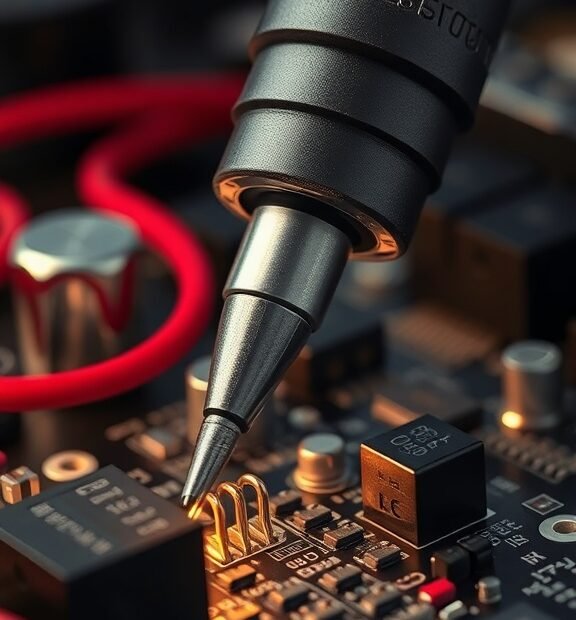
For detailed electronics work, a soldering iron with a fine tip is essential. These tips allow for precision and help you make accurate solder joints on delicate components. A chisel or conical tip is often favorable for beginners, as they provide versatility for a range of soldering tasks.
Soldering Iron Kits & Accessories
Another important aspect to consider is the power of the soldering iron. The wattage of the iron determines how quickly it can heat up and maintain temperature. For most electronics projects, a soldering iron with at least 25-60 watts is ideal. Higher wattage means faster heating, which is a time-saver, especially when working on multiple connections.
The temperature control feature is another factor that can’t be overlooked. A soldering iron with adjustable temperature settings allows you to customize the heat based on the task at hand. Here’s a quick comparison for different scenarios:
Soldering Iron Kits & Accessories
- Low Temperature (350°F or 180°C): Best for delicate components.
- Medium Temperature (400°F or 200°C): Good for general-purpose electronics.
- High Temperature (450°F or 230°C): Suitable for soldering larger pieces or heavy-duty work.
Another point to remember is the type of solder you plan to use. Lead-free solder requires higher temperatures compared to traditional solder. Hence, choose an iron that can efficiently handle the solder type for your projects. If you’re primarily working with lead-free solder, make sure your soldering iron can reach the necessary temperatures consistently.
Portability can also play a role in your decision. If you plan to take your soldering iron to different locations, look for a lightweight model. Some soldering irons come with built-in stands or carry cases, making them easy to transport. This mobility is especially useful if you work on-site or collaborate with others.
Soldering Iron Kits & Accessories
Consider the build quality and brand reputation as well. Investing in a soldering iron from a trusted brand ensures you receive a durable product. While cheaper options may seem attractive, they often lack reliability and may need frequent repairs or replacements. Research user reviews and recommendations to find a reliable choice.
Here’s a quick checklist to help you choose the right soldering iron:
Soldering Iron Kits & Accessories
- Experience Level: Are you a beginner or advanced?
- Wattage: 25-60 watts for general use.
- Temperature Control: Adjustable settings preferred.
- Tip Type: Fine tips for detailed work.
- Portability: Look for lightweight designs if needed.
- Brand Reputation: Invest in trusted brands for quality.
Don’t forget about accessories that enhance your experience. A good soldering iron stand, soldering mat, and cleaning sponge can make a big difference in your workflow. A stand keeps your soldering iron safe and readily accessible, while a mat protects your workspace and prevents accidental burns.
Choosing the right soldering iron for electronics projects is about understanding your personal requirements and how you plan to use the tool. Whether you are building simple circuits or more complex devices, the right soldering iron makes all the difference in achieving a successful project. With the information above, you’re now better equipped to select the soldering iron that meets your needs and preferences.
Essential Safety Tips When Using a Soldering Iron in Electronics
When using a soldering iron in electronics, safety should always be your top priority. This essential tool can be hazardous if not handled correctly. Whether you are a beginner or an experienced technician, following certain safety tips can help you avoid accidents and injuries.
Soldering Iron Kits & Accessories
Wear Appropriate Safety Gear
Before you plug in your soldering iron, make sure you are wearing the right protective gear. Consider the following:
- Safety Goggles: Protect your eyes from solder splashes and fumes.
- Heat-Resistant Gloves: These can prevent burns when handling hot components.
- Work Apron: A protective apron can shield you from solder spatter and hot equipment.
Maintain a Clean Workspace
A tidy workspace is crucial for safe soldering. Keep your area free from clutter to reduce the chance of accidental burns or trips. Here are some tips to maintain a clean work environment:
Soldering Iron Kits & Accessories
- Clear Away Flammable Materials: Keep paper, fabric, and other flammable items away from your soldering station.
- Use a Designated Soldering Area: This area should be away from other projects to prevent cross-contamination of tools and materials.
- Organize Your Tools: Use trays or containers to store small tools and components, keeping them within arm’s reach.
Ensure Proper Ventilation
Soldering can release harmful fumes, especially if you are using lead-based solder. It’s essential to work in a well-ventilated area. Open windows or use a fan to promote airflow. If working in an enclosed space:
- Consider a Fume Extractor: These devices can help remove harmful vapors directly from your workspace.
- Take Regular Breaks: Step outside for fresh air if you start feeling lightheaded or uncomfortable.
Handle the Soldering Iron with Care
The primary hazard associated with a soldering iron is the heat it generates. Here are some tips for handling it safely:
Soldering Iron Kits & Accessories
- Always Keep the Tip Seated: When not in use, ensure the tip is placed in a designated holder to prevent burns.
- Never Touch the Hot Tip: This might seem obvious, but accidents happen. Train yourself to avoid contact.
- Be Mindful of Your Cords: Keep the power cord out of the way to prevent tripping and damage.
Use the Right Soldering Iron Temperature
Different projects require varying temperatures. Always adjust your soldering iron to the appropriate setting for the job. Some tips to consider:
- Follow Manufacturer Recommendations: Each solder type has an optimal temperature for best results.
- Avoid Overheating: Prolonged heating of components can damage them, so a controlled temperature is key.
- Test Temperature Settings: Do a small test on scrap material if you’re unsure about the appropriate temperature.
Be Aware of Surroundings
Always pay attention to your environment while soldering:
Soldering Iron Kits & Accessories
- Positioning: Ensure you have a stable surface and that everything is securely placed.
- Monitor Interactions: If working with others, keep communication clear and alert them when you’re using the iron.
- Avoid Distractions: Focus on your task to reduce the risk of accidents.
Dispose of Materials Safely
After you finish soldering, be mindful of how you dispose of your materials. Some items may be hazardous:
- Use Proper Disposal Methods: Lead-based and other hazardous solder types must be disposed of according to local regulations.
- Don’t Leave Hot Tools Unattended: Turn off your soldering iron and allow it to cool before storing it away.
- Organize Waste Materials: Keep waste solder and other scrap in safe, designated containers.
By following these essential safety tips when using a soldering iron in electronics, you can create a safer working environment. Always stay vigilant and prioritize safety to enjoy a productive and accident-free soldering experience.
Conclusion
Selecting the right soldering iron for your electronics projects is crucial for both the quality of your work and your overall enjoyment of the hobby. Whether you are a novice or have experience, understanding the different types of soldering irons available—like temperature-controlled models or basic soldering pens—can significantly impact your soldering experience. A good soldering iron not only allows for better precision in your work but also affects the lifespan and quality of the components you are handling.
Soldering Iron Kits & Accessories
Equally important are the safety tips associated with using soldering irons. Safety should never be an afterthought when engaging in soldering tasks. Wearing safety goggles, working in a well-ventilated area, and keeping a safe distance from flammable materials can prevent accidents. Familiarizing yourself with the proper handling and storage of your soldering iron can also protect you from burns and other injuries.
By prioritizing both the right tools and safety precautions, you can enhance your performance and enjoy peace of mind while soldering. Remember, the right soldering iron isn’t just about functionality; it’s about ensuring a safe and enjoyable experience as you explore the fascinating world of electronics. So invest wisely, practice your techniques, and most importantly, have fun creating!