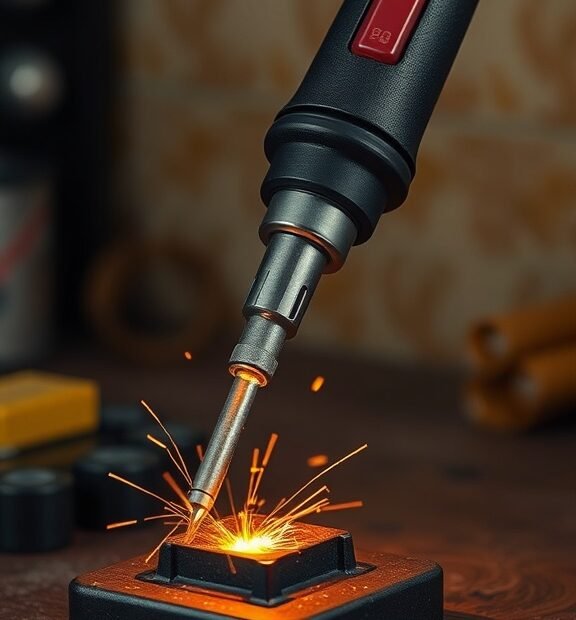
Where to Buy Soldering Iron: Exploring Online and Local Options
When you need to tackle electronics repairs or DIY projects, a reliable soldering iron is essential. Knowing where to buy a soldering iron can make your task much easier. You have several options, whether you prefer shopping online or visiting local stores. Let’s explore some of the best places to find quality soldering irons.
Online Retailers
Purchasing a soldering iron online is convenient and often cost-effective. Here are some popular online platforms where you can find a wide variety of options:
- Amazon: As one of the largest online retailers, Amazon offers a vast selection of soldering irons. You can compare brands, read customer reviews, and often find good deals. Look for popular brands like Weller, Hakko, and Aoyue.
- eBay: eBay provides a marketplace for new and used soldering irons. While shopping here, you can often find budget-friendly options. Just check the seller’s ratings to ensure a safe purchase.
- Walmart: Their website provides a range of soldering equipment. You can choose to have items shipped or opt for in-store pickup, giving you flexibility.
- Specialty Electronics Stores: Sites like Digi-Key, Mouser Electronics, and SparkFun focus on electronic components. They often stock high-quality soldering irons specific to hobbyists and professionals.
Local Hardware Stores
If you’d rather inspect a soldering iron before buying it, local hardware stores are a great option. Many offer a good selection of electronics tools.
- Home Depot: They usually have a dedicated section for tools, including soldering irons. You can find well-known brands and even ask employees for recommendations.
- Lowes: Similar to Home Depot, Lowes carries various soldering tools. Their knowledgeable staff can help you choose the right one for your needs.
- Local Electronics Shops: Check if there are any specialty electronics retailers in your area. These stores can provide expert advice and specialized products that might not be available at larger chains.
What to Consider When Buying a Soldering Iron
Choosing the right soldering iron involves several factors. Here are some tips to help you make the best decision:
- Type of Soldering Iron: Consider whether you need a basic iron, a soldering station, or a hot air rework station. Beginners might prefer a simple iron, while professionals often go for more advanced features.
- Wattage: A soldering iron’s wattage affects its heating capability. For most tasks, a model between 25 to 60 watts is sufficient.
- Temperature Control: Some soldering irons come with adjustable temperature settings. This feature allows you to work with different materials and minimizes the risk of damaging components.
- Tip Variety: Different projects may require different soldering tips. Ensure that the iron you buy has or can accommodate various tip styles.
Checking Reviews and Recommendations
Before purchasing a soldering iron, be sure to check online reviews and ratings. This can help you gauge the quality and reliability of the product. Sites like Amazon and specialty electronics forums often have detailed customer feedback that can guide your decision-making process.
Local Classifications and Workshops
In addition to purchasing, consider attending local electronics or DIY workshops. Many community centers or tech shops host classes where you can try out soldering irons. It’s a great way to learn more about their features and function while making informed choices on what to buy.
Whether you opt for online shopping or prefer the personal touch of local stores, finding the perfect soldering iron is crucial to your projects. Remember to consider your needs, do some research, and compare prices to ensure you get the best value for your investment. Good luck on your soldering adventures!
Essential Considerations When Choosing a Soldering Iron for Your Needs
When it comes to soldering, choosing the right soldering iron is crucial for successful results. Whether you’re a hobbyist, a professional, or just starting, several factors will influence your decision. Let’s explore essential considerations to help you find the best soldering iron for your needs.
Understanding Your Needs
First, consider what projects you will be working on. This will greatly influence the features you need in a soldering iron. For instance, if you’re working on small electronics, you’ll want a soldering iron with a fine tip. On the other hand, for larger projects, a chisel tip might be more appropriate.
Types of Soldering Irons
It’s important to know the different types of soldering irons available:
- Standard Soldering Iron: This is the most common option and is great for general-purpose use.
- Soldering Station: Soldering stations often offer adjustable temperature control and a stable stand.
- Battery-powered Soldering Iron: Ideal for portability, these irons are suitable for on-the-go projects.
- Temperature-controlled Soldering Iron: Gives you the flexibility to adjust the heat level, which can be crucial for delicate tasks.
Wattage Considerations
The wattage of your soldering iron plays a significant role in its performance. Most soldering tasks are done with irons ranging from 20 to 60 watts. Here’s a breakdown:
- 20-30 Watts: Great for smaller, delicate projects and soldering on circuit boards.
- 40-60 Watts: This range is ideal for thicker materials and larger connections.
If you’re unsure, a 40-watt iron is a solid choice for versatility.
Tip Size and Shape
The tip of the soldering iron can affect how easy it is to work on specific tasks. Here are some common tip shapes:
- Fine Tip: Best for small, intricate work.
- Chisel Tip: Good for larger surfaces and faster soldering.
- Conical Tip: Popular for its ability to create precise joints.
Having interchangeable tips can increase your soldering iron’s functionality. This flexibility allows you to switch tips as needed for various projects.
Temperature Control
Temperature control is another vital feature to consider. A soldering iron with adjustable temperature settings allows you to customize the heat for different types of solder and tasks.
Here’s why temperature control matters:
- Solder melts at different temperatures depending on its type.
- Higher temperatures can damage sensitive components.
- Adjusting temperature can impact how quickly you work.
If your projects involve assembling small components, opt for a soldering iron with adjustable heat settings.
Build Quality and Ergonomics
When you’re soldering, comfort matters. A soldering iron with a good grip and ergonomic design can make your projects easier. Consider options that are lightweight and have heat-resistant handles. This will help you avoid fatigue during extended use.
Safety Features
Safety features are essential in a soldering iron. Look for these characteristics:
- Auto Shut-off: This feature turns off the iron when left unattended for a period.
- Heat-resistant Casing: A protective casing prevents burns and damage.
- Stable Stand: A sturdy stand helps keep the soldering tip away from surfaces, reducing fire hazards.
These considerations will help you choose a soldering iron that meets your specific needs. Remember to assess the types of projects you’ll undertake, the wattage that suits your tasks, and the features that match your work style. By doing this, you’ll be well on your way to successful soldering and satisfying results.
Conclusion
Finding the right soldering iron is a crucial step for both novices and seasoned hobbyists alike. With various options available, you can easily explore both online and local stores to purchase this essential tool. Online marketplaces like Amazon and eBay offer a wide selection to compare prices, brands, and customer reviews, making it simpler to find the perfect match for your project needs from the comfort of your home. On the other hand, local hardware stores provide immediate access to tools, allowing you to physically inspect the soldering iron before purchasing.
When choosing a soldering iron, consider essential factors such as wattage, tip size, and temperature control. Higher wattage typically heats up faster and can handle larger tasks, while adjustable temperature features give you greater control for intricate work. Whether your projects involve electronics, jewelry making, or model building, you should select an iron that fits your specific requirements. Additionally, ensure that you follow safety guidelines and have the right accessories, such as solder and a stand, to enhance your experience.
With the right information and resources at hand, buying a soldering iron can be a straightforward process. Take your time to weigh the pros and cons of various options, and don’t hesitate to seek advice from fellow craftsmen or online forums. By making informed decisions, you’ll set yourself up for success in your soldering projects, ultimately saving time and maximizing your creativity. Happy soldering!