Signs That Indicate It’s Time to Replace Your Soldering Iron Tip
Best Practices for Maintaining and Extending the Life of Soldering Iron Tips
Maintaining your soldering iron tip is crucial for achieving quality results in your electronics projects. A well-kept tip not only enhances your soldering experience but also extends the life of your soldering equipment. Understanding the best practices can substantially help you achieve optimal performance, avoid premature wear, and ensure a higher standard of solder joints.
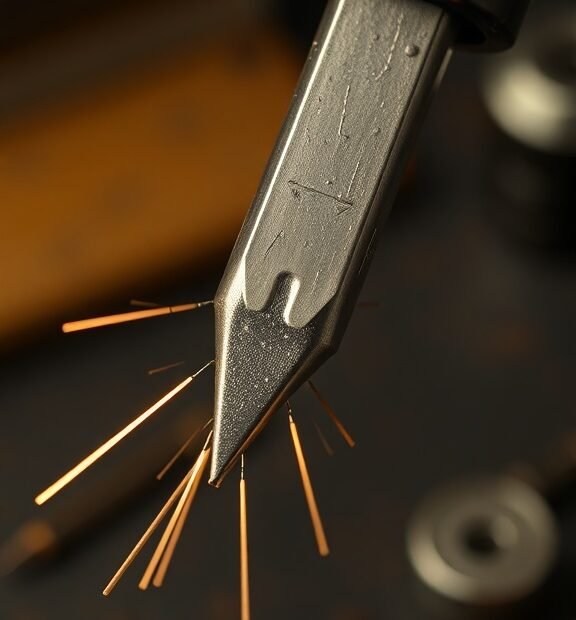
One of the primary indicators that it’s time to take action with your soldering iron tip is visible damage. Regular inspection can help you catch issues early. Here are some common signs:
- Oxidation: A hazy or dull appearance on the tip often indicates oxidation. This can interfere with heat transfer and lead to poor solder joints.
- Worn Tip: If the tip appears further worn down than usual or has noticeable grooves, it’s likely time for a replacement or maintenance.
- Tip Not Retaining Heat: If your solder doesn’t melt correctly, it may be due to a worn-out tip that can no longer maintain the appropriate heat.
- Buildup of Solder: Excess buildup can be a sign that the tip is not being cleaned properly. This can also lead to inefficient soldering.
To extend the life of your soldering iron tip, regular maintenance is key. One of the best habits you can adopt is to clean the tip frequently. Here are effective methods for cleaning:
Soldering Stations | Easy 60 Day Return
- Sponge Method: Use a damp sponge to wipe the tip while the soldering iron is hot. This method is quick and effective for removing excess solder and oxidation.
- Brass Wool: Brass wool is less abrasive than steel wool and is great for cleaning without removing the plating on your tip. Simply rub the hot tip in the wool to remove solder buildup.
- Chemical Cleaners: For stubborn buildup, consider using chemical cleaners specifically designed for soldering tips. Be sure to follow the manufacturer’s instructions for safe and effective use.
Proper storage of your soldering iron is another important factor in maintaining the tip. When you’re finished soldering, always return the iron to its stand. If you have a soldering station with a temperature control feature, set it to a lower standby temperature rather than leaving it on at full heat. This practice reduces heat-induced wear on the tip.
Another effective way of prolonging your tip’s life is to use the right solder. Certain solders can be harsher on your equipment than others. It’s beneficial to select a rosin-core solder, which provides a protective layer over time, reducing oxidation on the tip. Lead-free solders, while safer for the environment, can also make your tips wear out faster, so choose wisely based on your needs.
Soldering Stations | Easy 60 Day Return
When it comes to your soldering technique, be gentle. Applying too much pressure while soldering can damage the tip and degrade its lifespan. Instead, allow the heated tip to do the work, making sure you’re not forcing it into the components. This practice not only preserves the tip but improves the quality of your solder joints.
If you notice your soldering iron tip is still degrading despite your best efforts, consider rotating tips. Using multiple tips for different tasks can extend the life of each individual tip, especially if you’re working on projects that require varying degrees of precision.
Soldering Stations | Easy 60 Day Return
Don’t hesitate to replace the soldering iron tip when necessary. Replacement isn’t a sign of loss but rather a commitment to maintaining quality in your work. Ensure you have the correct replacement tips on hand for your soldering iron model, and replace them as soon as you notice diminished performance.
By following these best practices, you can help ensure that your soldering iron tips last longer and perform better. Keep your workspace organized, maintain a consistent cleaning routine, and replace tips as needed to keep your soldering projects running smoothly. Doing so will not only save you time and money but also enhance your overall soldering skills.
Conclusion
Recognizing when to replace your soldering iron tip is essential for effective soldering. Look for indicators such as decreased heat transfer, visible wear, or oxidation. These signs can hinder your work and potentially damage your project. If you notice poor performance, it’s a clear signal that it’s time for a change.
Soldering Stations | Easy 60 Day Return
To prevent premature wear and extend the lifespan of your soldering iron tips, adopting best practices is vital. Always clean your tip regularly with a wet sponge or brass sponge to remove solder residue and prevent buildup. Tinning the tip with fresh solder after every use not only keeps it protected but also facilitates better heat conduction during your projects.
Store your soldering iron properly when not in use. Avoid leaving it turned on for long periods, and always ensure it cools down before storing. By combining awareness of the signs that indicate a need for replacement with diligent maintenance, you can ensure your soldering iron remains in optimal condition. This approach not only saves you money but also improves the quality of your work. Remember, a well-maintained soldering iron tip helps you achieve cleaner, more precise solder joints, which is the ultimate goal for any soldering project. Prioritize these practices, and you’ll enjoy better performance and longer-lasting tools in your soldering endeavors.