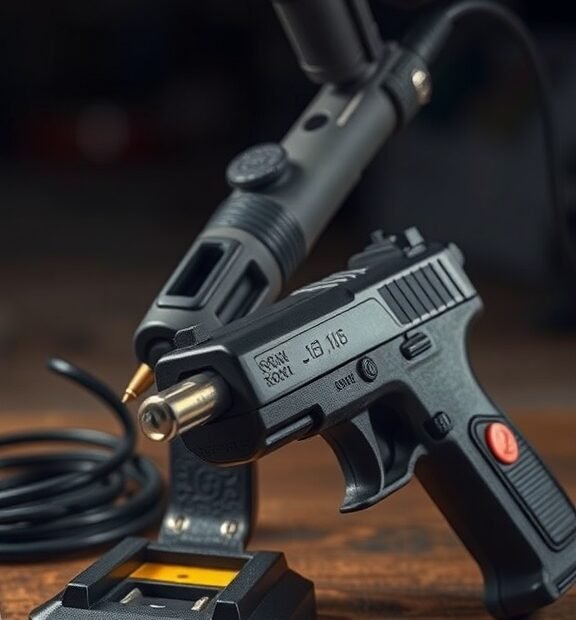
Exploring the Key Differences Between a Soldering Iron and a Soldering Gun
Soldering is an essential skill for many DIY enthusiasts and professionals alike. Whether you’re repairing electronics or working on craft projects, having the right tools is crucial. Two commonly used tools in soldering are the soldering iron and the soldering gun. While they may seem similar at first glance, understanding the key differences between a soldering iron and a soldering gun will help you choose the right one for your needs.
A soldering iron is a hand-held tool used to heat up metal to join two pieces together. It typically has a long, skinny shape and heats up slowly. Soldering irons are usually available in varying wattages, commonly ranging from 20 to 80 watts. As a result, they’re great for delicate tasks, like working on circuit boards or repairing small electronic devices.
In contrast, a soldering gun has a unique design that includes a trigger mechanism. This trigger activates the heating element on demand. Most soldering guns come with higher wattage, typically between 100 and 260 watts, making them much quicker to heat up. This feature allows you to work on larger projects that require stronger soldering capabilities, such as automotive repairs or larger electronics.
Soldering Iron Kits & Accessories
Understanding the differences between the two tools can help you select the most suitable option based on your project requirements. Here are some key differences:
- Heating Time:
- Soldering Iron: It takes time to heat up, typically around 5-10 minutes.
- Soldering Gun: Heats up almost instantly, making it ideal for quick jobs.
- Temperature Control:
- Soldering Iron: Generally offers more precise control over temperature settings.
- Soldering Gun: Generates a high, stable temperature but lacks adjustable controls.
- Portability:
- Soldering Iron: Often lighter and easier to handle for prolonged periods.
- Soldering Gun: Slightly heavier due to its construction and internal components.
- Suitable Projects:
- Soldering Iron: Best for electronics like circuit boards, small repairs, and detailed work.
- Soldering Gun: Better suited for larger-scale jobs and materials, including heavy duty tasks.
When it comes to soldering techniques, using the right tool can make a significant difference in your results. A soldering iron’s narrow tip can allow you to work with precision, which is especially important in intricate electronics where space is tight. Moreover, the slow heating process gives you more control, helping to prevent overheating and damaging components.
Soldering Iron Kits & Accessories
On the other hand, a soldering gun’s rapid heating and strong output provide efficiency that can save time and energy. This tool is particularly valuable when you need to join larger pieces of metal or you are working on a project that requires a strong, quick solder joint. However, since it often lacks fine temperature controls, there’s a higher risk of overheating sensitive components if not carefully managed.
Therefore, recognizing your project needs can guide you toward the correct tool. If your projects frequently involve delicate electronics, you’ll benefit more from a soldering iron. However, for large-scale tasks or those requiring more heavy-duty soldering, a soldering gun would be the better option. In many cases, tool users find it practical to have both on hand for different tasks.
Soldering Iron Kits & Accessories
Knowing the differences between a soldering iron and a soldering gun helps you make informed decisions on your soldering tools. From heating times to control and portability, each tool has its strengths and weaknesses tailored for specific applications. By understanding these factors, you can ensure that your soldering projects are successful and efficient.
Choosing the Right Tool: When to Use a Soldering Iron versus a Soldering Gun
When embarking on any soldering project, choosing the right tool is crucial for achieving the best results. Understanding the differences between a soldering iron and a soldering gun can greatly improve your workflow and the quality of your work. Each tool serves a unique purpose and is designed for specific tasks, making it essential to recognize when to use one over the other.
A soldering iron is a versatile tool characterized by its slender and pointed tip. It heats up gradually to a consistent temperature, allowing for precision soldering. This tool is ideal for delicate electronic work, where accuracy is of utmost importance. The heat remains stable, making it a suitable choice for tasks like:
Soldering Iron Kits & Accessories
- Working on circuit boards where components are closely packed
- Repairing small devices such as radios and smartphones
- Soldering fine wires, connectors, and joints
Additionally, soldering irons come in different wattages, which can affect their heating capabilities. Lower-wattage models are useful for intricate jobs, while higher-wattage irons can handle more substantial joints and materials. One important feature of a soldering iron is its temperature control. Many modern models allow you to adjust the temperature according to the soldering task, contributing to a high level of precision.
On the other hand, a soldering gun offers a different approach. This tool resembles a pistol and can heat up significantly faster than a soldering iron. The design makes it easy to handle and aim, allowing for quick soldering tasks. It’s particularly effective for larger jobs or projects that require significant amounts of solder. Situations where a soldering gun shines include:
Soldering Iron Kits & Accessories
- Soldering larger electrical connections, like those found in appliances
- Heavy-duty wiring in automobiles or home improvement projects
- Soldering tasks that demand faster results with thick solder
The soldering gun typically operates at a higher wattage, which allows it to deliver heat quickly. While it heats up and cools down fast, one should be cautious. The rapid temperature changes mean that it may not be suitable for delicate electronics, as the intense heat can damage sensitive components.
Another aspect to consider is the ease of use. A soldering iron requires a steady hand and practice to master, especially for beginners. In contrast, a soldering gun is generally more user-friendly due to its trigger operation and ergonomic design, which can lead to faster results, especially in non-precision tasks.
Soldering Iron Kits & Accessories
Both tools utilize solder, which comes in various types, including lead-free and leaded solder. Selecting the right type of solder for your project is essential, as it can influence the overall connection quality. For electronics, a lead-free solder is typically the most recommended choice due to its safety and environmental considerations.
When deciding between the two tools, here are a few questions to guide your choice:
Soldering Iron Kits & Accessories
- What is the nature of the project? Delicate electronics may favor a soldering iron, while larger connections may benefit from a soldering gun.
- How much time do you have? If speed is necessary, a soldering gun can provide quicker results.
- What materials are you working with? Heavy wiring might need the power of a soldering gun, while fine wires suit a soldering iron.
- What is your skill level? Beginners might find a soldering gun easier to operate, while more experienced users may prefer the precision of a soldering iron.
Both soldering irons and soldering guns have their strengths and weaknesses. By carefully evaluating your project requirements and personal skill level, you’ll ensure that you choose the tool which best fits your needs. Always prioritize safety by wearing appropriate eyewear and working in a well-ventilated space, regardless of the tool you select. The right tool can make all the difference in achieving professional-quality soldering results.
Conclusion
Choosing between a soldering iron and a soldering gun can significantly impact the success of your soldering projects. Understanding the key differences between the two tools will empower you to make informed decisions. Soldering irons are ideal for delicate work, such as electronics and intricate components, due to their precision and ability to maintain a steady temperature. On the other hand, soldering guns shine in heavy-duty tasks that call for quick heating and a robust bond, making them suitable for larger joints in home repair or metalwork applications.
When faced with a specific project, consider the nature of the task at hand. For instance, if you’re working on intricate circuit boards, a soldering iron is more suited for the job, allowing you to navigate small spaces with ease. Conversely, for larger or thicker materials, a soldering gun can save you time and effort, ensuring your connections are secure in a matter of seconds.
Soldering Iron Kits & Accessories
The right choice not only enhances your workflow but also affects the quality of your soldering. By evaluating the requirements of your project and understanding the strengths of each tool, you’ll be better equipped to achieve optimal results. Armed with this knowledge, you can confidently approach your next soldering task, knowing that you have chosen the right tool for the job. Whether it’s the precision of a soldering iron or the power of a soldering gun, each has its unique advantages that cater to different needs in the world of soldering.