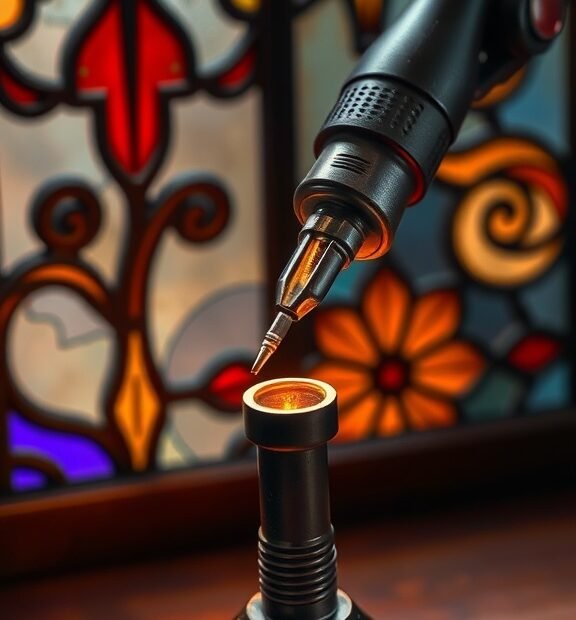
Choosing the Right Wattage for Your Soldering Iron in Stained Glass Projects
When embarking on stained glass projects, one crucial tool you’ll need is a soldering iron. Many beginners and even experienced artisans often find themselves asking, “What watt soldering iron should I use for stained glass?” The answer isn’t one-size-fits-all. Different projects demand different approaches, and the wattage of your soldering iron plays a significant role in the quality and efficiency of your work.
The wattage of a soldering iron typically ranges from 20 watts to 100 watts. Understanding the different wattages and their implications will help you make the right choice for your stained glass endeavors.
Understanding Wattage
Wattage refers to the power output of the soldering iron. Higher wattage means more heat is produced, while lower wattage indicates less heat. Here’s how it typically breaks down:
- 20 to 40 Watts: Best for intricate work and smaller pieces. If you’re applying solder to delicate glass pieces, a lower wattage will allow you to be more precise.
- 40 to 60 Watts: Ideal for most stained glass projects. This range provides enough heat to solder effectively without being too overwhelming.
- 60 to 100 Watts: Suited for larger projects or those involving thicker glass. A higher wattage can save time as it heats up quickly and provides ample melting capability.
Factors to Consider When Choosing Wattage
When selecting the appropriate wattage for your soldering iron, consider the following factors:
Type of Projects
Your specific stained glass project will heavily influence the wattage you choose. For delicate pieces with thinner glass, a lower wattage like 20 to 40 watts will give you the control you need. Conversely, if you’re working with heavier pieces or projects that require more soldering, 40 to 100 watts will be more suitable.
Soldering Technique
The technique you plan to use also makes a difference. If you’re experienced in soldering, you might prefer a higher wattage for efficiency. However, if you’re new to the craft, starting with a lower wattage allows for more accuracy and less chance of overheating the glass.
Type of Solder
The kind of solder you’re employing can also dictate the wattage needed. For example, lead solder requires lower temperatures compared to lead-free solder. Ensure that your soldering iron matches the requirements of your solder type to achieve optimal results.
Advantages of Using the Right Wattage
Choosing the correct wattage offers several advantages, including:
- Improved Control: A lower wattage soldering iron provides better precision for detailed work.
- Efficiency: A higher wattage soldering iron heats up faster, which can save time on larger projects.
- Reduced Risk of Damage: Using the appropriate wattage minimizes the risk of overheating your glass, which can lead to cracks or breakage.
Recommendations for Beginners
If you’re starting out, consider a soldering iron in the 40 to 60-watt range. This range strikes a balance between control and efficiency. It’s versatile enough to handle both delicate and substantial pieces, allowing you to experiment with different techniques without the risk of damaging your materials.
Investing in a soldering iron that has adjustable temperature settings is another excellent choice for both beginners and experienced artisans. This feature allows you to tweak the wattage based on the project at hand, ensuring optimal performance no matter the situation.
Final Thoughts
Finding the right watt soldering iron for your stained glass projects is essential for both your craftsmanship and enjoyment in creating beautiful works of art. By understanding the implications of wattage and considering your specific project needs, you can choose a soldering iron that perfectly fits your stained glass journey.
Whether you work on small, delicate designs or large, bold installations, the right wattage will enhance your soldering experience and lead to stunning results. Now, get ready to start soldering and unleash your creativity!
Essential Tips for Using a Soldering Iron Safely and Effectively in Glass Art
Using a soldering iron can be a rewarding experience when creating glass art. However, it’s essential to prioritize safety and effectiveness while working with this tool. Here are some essential tips to enhance your soldering experience.
Choosing the Right Soldering Iron
The first step to ensuring safe and effective soldering is selecting the right soldering iron. The wattage you choose is crucial:
- 25-40 Watts: Ideal for small projects or intricate work. This wattage allows for precision without overheating the glass.
- 40-80 Watts: This range is great for larger glass pieces or when you’re soldering thicker materials together. It provides enough heat to work quickly without risking damage.
- Above 80 Watts: Generally not recommended for stained glass. The high heat can easily damage the glass or burn the solder unexpectedly.
Setting Up Your Work Area
Creating a safe workspace is vital. Here’s how to set up efficiently:
- Flat Surface: Use a sturdy table that can withstand heat and is clutter-free.
- Ventilation: Proper airflow helps disperse fumes. Work in a well-ventilated area or consider a fume extractor.
- Safety Gear: Always wear safety glasses and heat-resistant gloves. It protects your eyes and hands from accidental burns or flying solder droplets.
Proper Soldering Techniques
Your technique plays a significant role in the quality of your work. Here are some tips to improve your soldering skills:
- Pre-tin Connections: Before joining pieces, apply solder directly on the copper foil or the metal surface. This ensures better adhesion and a smoother finish.
- Control Your Temperature: Keep your iron tip clean and at the right temperature. Too hot can burn the glass; too cool can lead to poor solder joints.
- Angles Matter: Keep the soldering iron at a slight angle while working on joints. This allows the solder to flow more evenly into the connection.
Maintaining Your Soldering Iron
Just like any tool, maintenance is essential to ensure your soldering iron works effectively:
- Clean the Tip: Wipe the soldering iron tip on a damp sponge or brass wool after each use. A clean tip ensures better heat transfer.
- Check for Damage: Regularly inspect the iron for any signs of wear or damage. A worn-out tip can lead to less efficient soldering and uneven lines.
Handling Solder Safely
While solder is essential for glass art, it can be hazardous if not handled correctly:
- Use Lead-Free Solder: Whenever possible, opt for lead-free solder to minimize health risks. This is especially important if you’re working in a confined space.
- Store Properly: Keep solder and other materials away from heat sources. Store them in a cool, dry place to prevent accidents.
- Wash Hands After Use: Always wash your hands after working with solder to remove any residues that may harm you.
Dealing with Accidents
Even with the best precautions, accidents can happen. Knowing how to deal with potential emergencies is crucial:
- Burns: If you get burnt, run cool water over the affected area for at least 10 minutes. Do not apply ice directly to burns.
- Fume Exposure: If you feel dizzy or lightheaded, immediately move to a well-ventilated area or get fresh air. If symptoms persist, contact a medical professional.
- Fire Safety: Always have a fire extinguisher nearby designed for electrical fires. If something catches fire, unplug your soldering iron and use the extinguisher if safe to do so.
By following these essential tips, you can ensure your soldering iron is used safely and effectively in your glass art projects. Happy soldering!
Conclusion
Selecting the right wattage for your soldering iron is crucial for achieving beautiful results in your stained glass projects. A soldering iron with a wattage between 25 to 100 watts is generally recommended, allowing you to manage different types of solder and projects effectively. For delicate pieces, lower wattage can provide additional control, while higher wattage tools can expedite larger tasks without compromising quality. Understanding your project needs will guide you in picking the ideal tool that meets both your artistic vision and practical requirements.
Furthermore, safety and effectiveness when using a soldering iron can’t be overstated. Always ensure you’re working in a well-ventilated area and wear proper safety gear, such as goggles and gloves. Keep your workspace organized to prevent accidents and distractions, and remember to let your soldering iron warm up before starting to avoid frustration.
Remember to practice regularly to fine-tune your technique, building confidence alongside your craftsmanship. By following these essential tips and choosing an appropriate wattage, you can create stunning stained glass art with precision and safety. Embrace the process, take your time, and enjoy bringing your artistic ideas to life. Happy soldering!