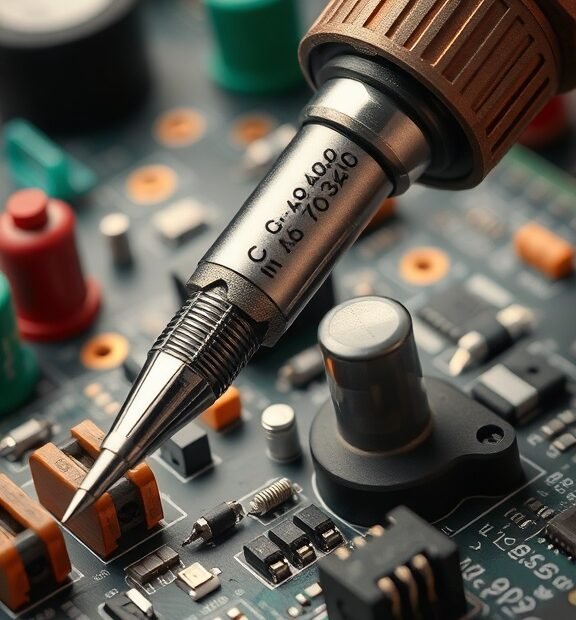
The Best Types of Soldering Irons for Electronic Components
When working with electronic components, choosing the right soldering iron is crucial for achieving neat and durable connections. With so many options on the market, you might be wondering what type of soldering iron is best suited for your needs. Below, we’ll explore different types of soldering irons, their features, and the benefits they bring to your projects.
Understanding Soldering Irons
Soldering irons come in various shapes and sizes. The best choice depends on the type of electronic work you’re doing. Here are a few key types to consider:
1. Basic Soldering Iron
Basic soldering irons are simple and easy to use, making them perfect for beginners. They typically come with a fixed temperature, usually around 300°C (572°F). This type is ideal for soldering larger components or when working on basic DIY electronics. However, the lack of temperature control can be a disadvantage for sensitive components.
2. Temperature-Controlled Soldering Iron
For more advanced work, a temperature-controlled soldering iron is essential. These models allow you to adjust the temperature, which can be beneficial for a wide range of components. You can set the temperature lower for delicate parts to avoid damaging them, ensuring a safer and cleaner soldering process.
3. Soldering Station
Soldering stations are the gold standard for serious hobbyists and professionals. They include a soldering iron with a stand, a power supply, and often a digital display for temperature adjustment. This setup not only provides superior temperature control but also helps maintain a consistent work environment. Soldering stations can accommodate a variety of soldering tips, allowing you to switch based on the task at hand.
4. Butane Soldering Iron
If you need portability, a butane soldering iron is an excellent choice. These cordless models heat up quickly and are perfect for on-the-go soldering. However, they tend to have a higher operating temperature, which requires careful handling and suitable precautions. Butane soldering irons are ideal for outdoor repairs or when you don’t have access to electricity.
Choosing the Right Tip
Your soldering iron’s tip plays an essential role in determining the quality of your work. Here are some common types of tips you might consider:
- Chisel Tip: Great for soldering larger components, allowing for better heat transfer.
- Fine Tip: Perfect for intricate work on small electronic parts, such as surface-mount devices (SMDs).
- Knife Tip: Useful for applications requiring lateral heat distribution, like soldering wires together.
Choosing the right tip can significantly enhance your soldering experience, improving accuracy and efficiency.
Key Features to Look For
When selecting a soldering iron, consider the following features to ensure you make the best choice:
- Wattage: Higher wattage soldering irons heat up faster and maintain temperature better, which is crucial for electronics.
- Ergonomic Design: A comfortable handle helps reduce fatigue during long soldering sessions.
- Replacement Tips: Look for models with easily replaceable tips to extend the life of your soldering iron.
Final Thoughts
Selecting the right soldering iron for electronic components can significantly impact your projects. Whether you opt for a basic iron for simple tasks or a sophisticated soldering station for complex assemblies, understanding your needs is key. Take your time to assess the features that matter most to you and choose wisely to enhance your soldering experience. With the right tools, you’ll find that working on electronic projects becomes a lot easier and more enjoyable.
Key Techniques for Effective Soldering in Electronics
Soldering is a vital skill in electronics, enabling you to create connections between components and circuit boards. To achieve effective soldering, mastering specific techniques is essential. Choosing the right equipment and understanding the process can greatly affect the quality of your work.
Understanding Soldering Tools
Before diving into soldering techniques, it’s important to familiarize yourself with the primary tools:
- Soldering Iron: The most crucial tool, typically a hand-held device that heats up to melt solder.
- Solder: The metal alloy used to join electronic components. Common types include lead-based and lead-free solders.
- Solder Flux: A substance that improves the flow of solder, ensuring clean and strong connections.
- Wire Cutters: Necessary for trimming excess leads after soldering.
- Desoldering Pump: Useful for removing solder mistakes.
Temperature Control
One of the key techniques for effective soldering is managing the soldering iron’s temperature. Each type of solder requires a specific range of temperatures:
- Lead-based Solders: These generally melt between 180°C to 190°C (356°F to 374°F).
- Lead-free Solders: These require higher temperatures, often between 217°C to 230°C (423°F to 446°F).
Using the right temperature helps avoid damage to sensitive electronic components. Too high a temperature can lead to burnt parts, while too low can result in cold solder joints that may fail over time.
Proper Technique
Now let’s delve into the actual soldering process. Follow these steps for effective results:
- Clean the Surfaces: Ensure that the components and the PCB (printed circuit board) pads are clean. Use isopropyl alcohol and a lint-free cloth for this task.
- Heat the Joint: Place the tip of your soldering iron on the connection where the wire meets the pad. Allow it to heat for a few seconds.
- Apply Solder: Introduce solder into the joint while keeping the soldering iron in place. The solder should flow around the joint, creating a strong bond.
- Remove the Iron and Allow to Cool: Take away the soldering iron and let the joint cool naturally. Do not blow on it, as this can lead to brittle joints.
Achieving Good Joints
The quality of the solder joint is crucial. Here’s how to recognize a good joint:
- Appearance: Good solder joints should have a shiny finish without any cracks or holes.
- Shape: The solder should have a smooth, concave shape that resembles a small volcano.
- Strength: Properly soldered joints should be strong enough to withstand mild physical stress without breaking.
Avoiding Common Mistakes
Even seasoned electronics enthusiasts can face common pitfalls. Here are some mistakes to watch out for:
- Cold Joints: Caused by insufficient heating. Always ensure that both parts are adequately heated before applying solder.
- Overheating Components: Prolonged heat can damage delicate components. Always use the lowest temperature that effectively melts the solder.
- Insufficient Flux: Not using enough flux leads to poor solder flow. Ensure ample flux application for best results.
Safety Measures
Soldering involves hazards that should not be overlooked. Here are essential safety tips:
- Work in a Ventilated Area: Solder fumes can be harmful. Ensure good airflow while you work.
- Use a Work Surface: Always solder on a non-flammable surface to minimize risks.
- Wear Safety Glasses: Protect your eyes from solder splashes or accidental drops of components.
By following these key techniques and best practices, you can improve your soldering skills. Effective soldering leads to durable electronic connections, ensuring your projects run smoothly and efficiently. Happy soldering!
Conclusion
Choosing the right soldering iron and mastering effective soldering techniques are pivotal for anyone working with electronic components. Each type of soldering iron offers specific advantages tailored to your needs—whether you prefer the precision of a soldering station or the portability of a simple soldering pen. Understanding the thermal properties and tips available can greatly enhance your soldering experience and ensure the longevity of your components.
Practicing key soldering techniques is just as crucial. Techniques like proper heat application, maintaining a clean tip, and using the right amount of solder not only improve your results but also ensure that your connections remain reliable. By combining the right tools with effective practices, you can avoid common pitfalls such as cold joints and overheating, which might damage sensitive electronic parts.
Ultimately, the effectiveness of your soldering skills can significantly impact the quality of your electronic projects. Take the time to explore different types of soldering irons and practice your techniques. Whether you’re a beginner or an experienced hobbyist, investing in the right tools and honing your skills will yield impressive results in your electronic endeavors. Make each solder joint count, as it is a critical link in the chain of your projects and passions. With the right approach, you’ll find joy in creating and repairing, bringing your electronic ideas to life with precision and confidence.