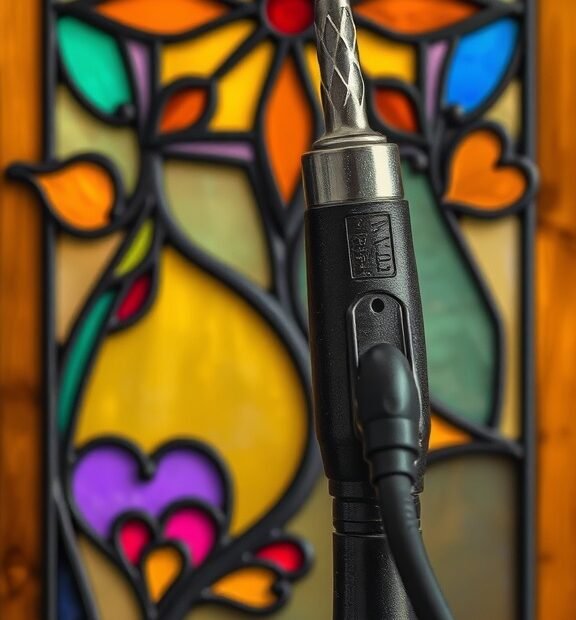
Choosing the Right Soldering Iron for Stained Glass Projects
When you embark on a stained glass project, one of the most important tools you will need is a reliable soldering iron. Choosing the right soldering iron can greatly affect the quality of your work, so it’s essential to know your options. There are several factors to consider, including wattage, tip size, and type of soldering iron. Let’s break these down to help you make an informed decision.
Wattage Matters
The wattage of a soldering iron plays a crucial role in its performance. For stained glass projects, a soldering iron with a wattage between 30 to 100 watts is ideal. A lower wattage might struggle with larger pieces, causing delays and frustration. Conversely, too high a wattage can damage delicate glass pieces. Here’s a quick look at wattage considerations:
- 30 to 60 watts: Suitable for smaller projects or fine details.
- 60 to 100 watts: Best for medium to large stained glass projects.
- Above 100 watts: Generally unnecessary and can lead to overheating.
Tip Size and Shape
The tip of your soldering iron is another essential factor that will influence your work on stained glass. Different tip sizes and shapes allow for various applications. Here are some common options:
- Fine Tip: Ideal for intricate detailing and precision.
- Chisel Tip: Great for covering larger areas and solder flow.
- Flat Tip: Useful for both detailing and broader soldering tasks.
Choosing a soldering iron with interchangeable tips can give you flexibility, allowing you to work on both detailed and larger areas with ease.
Type of Soldering Iron
There are a few primary types of soldering irons available, each with its unique advantages. Understanding these will help narrow down your choice:
- Standard Soldering Iron: Inexpensive and straightforward. These are suitable for beginners but may lack advanced features.
- Temperature-Controlled Iron: Allows you to adjust the temperature, which is handy for working with various materials and thicknesses of glass.
- Battery-Powered Soldering Iron: Offers portability, allowing you to work anywhere without being tethered to an outlet. However, battery life can be a limiting factor.
Temperature Control
Having a soldering iron with temperature control is a game-changer for stained glass projects. Different types of solder may require different heat settings, and being able to adjust the temperature helps you avoid damaging delicate pieces. Look for models that can maintain a consistent temperature even during prolonged use.
Safety Features
Safety should always be a priority when working with hot tools. Some soldering irons come with safety features such as:
- Heat-Resistant Handle: Keeps your hand safe from burns.
- Stand or Holder: Prevents accidental burns or fires when not in use.
- Automatic Shut-Off: Turns the iron off after a certain period of inactivity.
Budget Considerations
Your budget is another essential consideration when picking a soldering iron for your stained glass projects. Depending on the features and brand, prices can vary widely. Generally, investing a bit more can pay off in terms of durability and performance. Expect to spend anywhere from $20 to $100 for a good quality soldering iron that meets your needs.
Final Thoughts
Choosing the right soldering iron for stained glass projects isn’t just about picking any tool off the shelf. Instead, consider the wattage, tip size, type, temperature control, safety features, and your budget. By investing the time to select the best soldering iron, you can elevate your stained glass craft to new heights. Remember, the right tools make for smoother projects and stunning results. Happy soldering!
Essential Techniques for Effective Soldering in Stained Glass Artistry
Soldering is a vital skill in stained glass artistry, allowing you to create beautiful pieces that can light up any room. Mastering effective soldering techniques can significantly elevate your work and craftmanship. Whether you are a beginner or an experienced artist, understanding how to solder efficiently is crucial. Here are some essential techniques to keep in mind.
Choosing the Right Soldering Iron
The first step in effective soldering is selecting the right soldering iron for stained glass. You should opt for an iron with a temperature range of about 600°F to 800°F. This range is ideal for melting solder, and you can find various wattages that suit your needs. A 100 to 200-watt soldering iron is generally sufficient for most stained glass projects. Additionally, look for a pencil-type iron with a fine tip for precise work. This will allow you to control your soldering more effectively and create clean seams.
Preparing Your Workspace
The setting in which you solder matters just as much as the tools you use. Ensure your workspace is clutter-free and well-lit. Good lighting is essential for detecting any flaws in your work as you go along. Keep your soldering iron on a heat-resistant surface or a dedicated stand to avoid accidents. Organize your materials, including solder and flux, close to where you’re working to promote efficiency.
Soldering Techniques to Master
- Cleanliness is Key: Always clean the surfaces of your glass pieces before you begin soldering. Dirty surfaces can lead to weak bonds and inconsistent solder flow. Use a small amount of vinegar and water to wipe down the glass edges effectively.
- Apply Flux: Before soldering, apply a thin coat of flux to the copper foil or solder joints. This helps to promote smooth solder flow and prevents oxidation.
- Use a Steady Hand: When soldering, keep your hand steady to ensure a consistent bead of solder. Practice controlling the flow of solder by slightly tilting the soldering iron. The goal is to create a smooth, shiny seam.
- Solder Joint Techniques: Familiarize yourself with different solder joint techniques, such as tack soldering and full soldering. Tack soldering is useful for temporarily holding pieces in place, while full soldering provides a more permanent bond.
- Temperature Control: Pay attention to the temperature of your soldering iron. If it’s too hot, you risk burning the copper foil or the glass. If it’s too low, the solder won’t flow properly. Adjust the temperature as needed for optimal results.
- Bead Formation: When you apply solder, it should form a neatly defined bead along the joint. You should not need to add a lot of solder to achieve this. Practicing bead formation will help you produce even and neat seams across your glass pieces.
Post-Soldering Care
After completing your soldering, allow your project to cool down before handling it. Once cooled, wipe down the glass with a damp cloth to remove any remaining flux residue. This will not only improve the appearance but also ensure the longevity of your stained glass piece. Regular maintenance, like cleaning and inspecting solder joints, can help prolong the life of your artwork.
Common Mistakes to Avoid
- Rushing the Process: Always take your time. Rushing can lead to mistakes and poor solder joints.
- Inconsistent Heating: Make sure to apply even heat to your solder. Uneven heating can create weak spots in your seams.
- Ignoring Safety: Remember to wear safety glasses and work in a well-ventilated area to avoid fumes from solder.
Effective soldering in stained glass artistry requires practice and attention to detail. By choosing the right tools, preparing your workspace, and mastering soldering techniques, you can create stunning pieces that showcase your artistic talent. Keep these tips in mind to elevate your stained glass projects!
Conclusion
Finding the right soldering iron for your stained glass projects is crucial for achieving both quality and precision in your art. Whether you opt for a lighter 20-watt model or a heavier-duty 100-watt variant, your choice should depend on the scale and intricacy of your work. A well-chosen soldering iron not only enhances your skill but also brings your creative vision to life.
Equally important are the techniques you apply during the soldering process. Begin by ensuring that your joint surfaces are clean and properly prepared. Mastering the art of temperature control is another key factor—too hot can melt the glass, while too cold may not create a solid bond. Practice lead-free soldering and familiarize yourself with the flow of solder, as this can greatly improve the finish of your pieces.
Moreover, investing time in learning effective soldering techniques can transform your stained glass pieces from simple crafts into stunning works of art. Experimentation and practice will help you refine your skills, so don’t hesitate to try new methods or tools. Keep your workspace organized and make sure to have all essential supplies within reach to avoid interruptions in your creative flow.
Your stained glass artistry can flourish with the right tools and techniques. With careful selection of a suitable soldering iron and the application of effective soldering practices, you will set yourself up for success in your stained glass projects, allowing your creativity to shine. Remember, each piece you create is not just a project—it’s a reflection of your artistic journey.