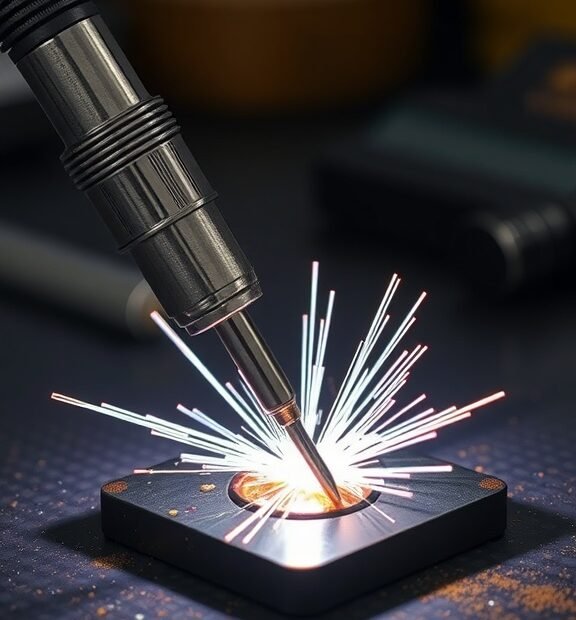
Effective Methods for Cleaning Your Soldering Iron: Best Practices and Tools
Cleaning your soldering iron is crucial for maintaining its performance and prolonging its lifespan. When you solder, residue and oxidation can build up on the tip, leading to poor connections and an overall decrease in effectiveness. Knowing what to clean your soldering iron with can make a significant difference. Here are some efficient methods and tools that you can use.
Types of Cleaning Methods
There are several effective methods you can employ to clean your soldering iron. Each offers advantages, so experiment to find what works best for you.
1. Wet Sponge or Cloth
One of the simplest and most common methods is using a wet sponge or cloth. Here’s how to do it:
- Wet a sponge or a clean cloth with water.
- Turn on your soldering iron and allow it to heat up.
- Carefully wipe the hot tip on the damp sponge to remove oxidation and solder residue.
- Ensure the sponge is not soaking wet; excess water can cause the iron to steam and may lead to thermal shock.
This method is quick and easy, making it perfect for regular cleaning during your soldering tasks.
2. Brass Wool
Another effective cleaning method involves brass wool. This material is gentle yet abrasive enough to clean the tip without damaging it. Here are the steps:
- Allow your soldering iron to reach its operating temperature.
- Gently scrub the tip against the brass wool until the residue is removed.
- Brass wool does not generate excessive moisture, which helps to prevent oxidation from returning quickly.
This method is particularly effective because it helps maintain a clean working surface without water-related issues.
3. Tip Cleaner Pens
Tip cleaner pens are specially formulated tools designed for quick and efficient cleaning. They are easy to use:
- Heat your soldering iron.
- Apply the tip cleaner pen directly to the hot tip while moving it around.
- The cleaner will dissolve the oxidation and residue, making it easier to wipe clean.
This method is great for those who want something portable and straightforward to use. It’s a handy companion for both professionals and hobbyists.
Best Practices for Cleaning Your Soldering Iron
Cleaning your soldering iron properly goes beyond just the cleaning method you choose; it’s about adopting best practices. Here are some tips:
- Clean Regularly: Make it a habit to clean your soldering iron after every use. This will help prevent heavy build-up over time.
- Use the Right Temperature: Always clean your soldering iron when it’s at the recommended temperature for soldering. This helps to ensure that residues come off more easily.
- Don’t Overdo It: If you’re using abrasive materials like brass wool, avoid excessive pressure which can wear down the tip more quickly than expected.
- Re-tin If Needed: After cleaning, it’s a good idea to apply a bit of solder to the tip. This process, known as re-tinning, helps to protect the surface of the tip from oxidation.
Tools for Cleaning
In addition to cleaning methods, having the right tools on hand can significantly enhance your cleaning routine. Here are some essential tools:
- Wet Sponge or Damp Cloth
- Brass Wool Holder – this keeps your workspace tidy and protects your hands.
- Tip Cleaner Pens – compact and effective for quick clean-ups.
- Wire Brush – useful for more stubborn residues, but use with caution to avoid damaging the tip.
With the right cleaning method and tools, you can ensure that your soldering iron remains in optimal condition. Embracing these practices not only improves your soldering results but also saves you time and money in the long run. By being proactive and adopting these best cleaning strategies, you’re investing in better and more reliable soldering sessions.
Common Mistakes to Avoid When Maintaining Your Soldering Iron Tools
Maintaining your soldering iron tools is essential to ensure they perform at their best and last longer. However, many people unknowingly make mistakes that can hinder their soldering experience. To help you avoid these pitfalls, here are some common mistakes to keep in mind when caring for your soldering iron tools.
Not Cleaning the Soldering Iron Regularly
One of the most significant mistakes is neglecting to clean your soldering iron regularly. Soldering can leave residues that build up on the tip, affecting its ability to transfer heat effectively. Consider these cleaning methods:
- Sponge Cleaning: A damp sponge is ideal for wiping off excess solder and debris while the iron is hot.
- Brass Wool: Using brass wool can help remove stubborn residue without damaging the tip.
- Tip Tinner: This substance can help restore the oxidized tip for optimal performance.
Using the Wrong Temperature
Another common error is using the incorrect temperature settings for soldering. Too low a temperature can cause the solder not to flow correctly, while too high can damage components. Make sure to:
- Know the recommended soldering temperature for the materials you are working with.
- Adjust the settings according to the thickness of the solder and the parts involved.
Ignoring the Tip’s Condition
A critical oversight is failing to monitor the condition of the soldering iron tip. Over time, tips can become corroded or worn out. You should:
- Regularly inspect the tip for signs of wear or corrosion.
- Replace the tip if it shows extensive damage to maintain efficiency.
Storing the Soldering Iron Improperly
Storing your soldering iron incorrectly can lead to unnecessary wear and tear. Ensure you:
- Always place the iron in a stand to protect the tip.
- Avoid leaving it on a workbench where it can be accidentally knocked over or damaged.
- Allow it to cool down properly before putting it away.
Failing to Use Proper Safety Gear
Safety should always be a priority during soldering tasks. Not wearing the appropriate safety gear can lead to injuries. Always remember to:
- Wear safety goggles to protect your eyes.
- Use a heat-resistant surface for your soldering tasks.
- Wear antistatic wrist straps when working with sensitive electronics.
Not Tinning the Tip
Many beginners overlook the importance of tinning the soldering iron tip. Tinning helps prevent oxidation and enhances heat transfer. Here’s what you need to do:
- Apply a small amount of solder to the tip after cleaning.
- Make this a habit before you start soldering, as it will improve the effectiveness.
Overusing the Same Soldering Iron for Different Tasks
Using the same soldering iron for various types of soldering tasks without proper cleaning can contaminate your work. To avoid this mistake:
- Keep separate soldering irons for specific types of work, if possible.
- Clean thoroughly between tasks to prevent cross-contamination.
Neglecting Cable Management
Poor cable management is another mistake that can lead to accidents. When the soldering iron’s cord is tangled or frayed, it increases the risk of it being pulled or damaged. Ensure to:
- Keep cables organized and away from the soldering area.
- Regularly check the cord for signs of wear or damage.
By avoiding these common mistakes, you will enhance your soldering experience, leading to better work quality and extended tool life. Care for your soldering iron tools diligently, and they will serve you well!
Conclusion
Cleaning your soldering iron properly is crucial for maintaining its performance and extending its lifespan. By employing effective methods and utilizing the right tools, you can ensure that your soldering iron remains in top condition. Simple practices like using a damp sponge or brass cleaner can help remove oxidization and debris, keeping the tip functioning effectively. Additionally, regular tinning after cleaning can protect the tip and enhance heat transfer during soldering.
However, it’s equally important to be mindful of the common mistakes that many DIY enthusiasts and professionals make. Overheating the tip can damage the soldering iron and compromise its effectiveness. Similarly, using the wrong cleaning agents can leave unwanted residues or even damage the tip. Always opt for the cleaning methods that match your iron’s design and ensure you follow the manufacturer’s guidelines for best results.
By establishing a consistent cleaning routine, avoiding mistakes, and utilizing recommended tools, you can significantly improve your soldering experience. With a well-maintained soldering iron, you can enjoy more successful projects, whether you’re a hobbyist or working in a professional setting. Remember, a clean and cared-for soldering iron not only enhances your work quality but also makes the soldering process much more enjoyable. Prioritize the upkeep of your tools, and your soldering tasks will be smoother and more efficient every time.