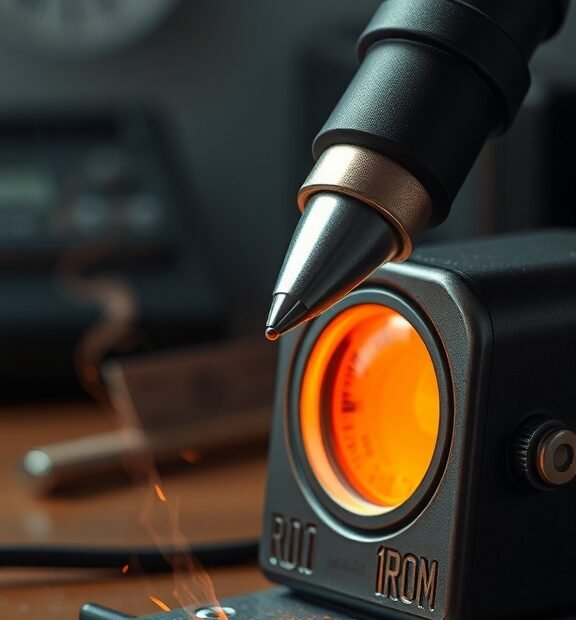
Understanding How High Temperatures Impact Soldering Iron Performance
When working with soldering irons, many people often wonder about the temperatures they can reach and how those temperatures affect performance. Understanding what temperature a soldering iron can achieve is critical for effective soldering, whether you’re in an electronics workshop or a home hobbyist. The performance of a soldering iron can greatly depend on how high the temperature can go, as well as how consistently it can maintain that heat. High temperatures are essential for a smooth soldering process, but they also come with challenges.
Most soldering irons can reach temperatures between 300°C (572°F) and 400°C (752°F). This temperature range is ideal for soldering most electronic components, which typically require a heat of around 350°C (662°F) to melt common solder alloys. When selecting a soldering iron, consider whether it offers adjustable temperature settings. This feature allows for more control, ensuring you can match the iron’s temperature to the materials you are working with.
The impact of high temperatures on soldering iron performance is multifaceted:
Soldering Iron Kits & Accessories
- Heat Transfer Efficiency: A soldering iron that reaches high temperatures provides efficient heat transfer to the solder and components. This efficiency is crucial for creating strong, reliable solder joints. When the solder melts quickly, it results in a clean application, minimizing damage to the electronic components.
- Temperature Stability: An iron that maintains a consistent temperature at high levels can improve overall performance. If an iron fluctuates wildly in temperature, it can lead to cold solder joints that create intermittent connections. Fewer fluctuations result in a more reliable soldering experience.
- Component Damage Risk: While high temperatures are necessary for soldering, they can also pose a risk to sensitive components. Excessive heat can damage electronic parts, leading to malfunction. It is essential to balance temperature and time spent with the soldering iron on the component, reducing exposure when possible.
- Heat Up Time: A soldering iron that reaches high temperatures quickly will enhance your workflow. Irons with fast heat-up times allow for greater efficiency in the working environment, eliminating delays that can impact productivity.
Understanding the thermal characteristics of a soldering iron also means knowing the types of solder you’re using. For instance, lead-free solders often require higher temperatures than lead-based solders. This can affect the iron’s temperature settings and the overall soldering process. If you’re using lead-free solder, ensure that your soldering iron can handle the necessary temperature settings to achieve optimal results.
Another factor to consider is the type of soldering tip you use. Different tips can conduct heat differently and can affect performance. Tips that are designed for high heat can help improve soldering efficiency, but they also require careful handling to avoid damaging parts due to overheating.
Soldering Iron Kits & Accessories
The ambient environment can impact how high your soldering iron effectively operates. In cooler environments, the heat might dissipate faster, requiring you to hold the iron for longer durations. On the other hand, warm environments can help maintain consistent temperatures, enhancing soldering performance. Observing temperature control is vital no matter the conditions in which you work.
Understanding how high temperatures impact soldering iron performance is crucial for anyone looking to improve their soldering skills. Whether you’re a beginner or an experienced professional, knowing what temperature a soldering iron can reach helps you make informed decisions about tools and techniques. Remember to check the specifications of your soldering iron, use appropriate solder materials, and consider environmental factors to achieve the best results in your projects.
Soldering Iron Kits & Accessories
Armed with this knowledge, you can approach your soldering tasks with confidence, ensuring high-quality connections with every joint.
Best Practices for Selecting the Right Temperature for Soldering Tasks
Soldering is a critical skill in electronics and crafts, and selecting the right temperature for your soldering iron can make a world of difference. It influences not just the quality of your work but also the longevity of your components. Each task requires precise handling, and knowing the best practices for adjusting your soldering iron’s temperature is key to successful results.
Firstly, it’s essential to understand the different types of solder you may be using. Lead-based solder, for instance, typically requires a temperature range of 350°C to 400°C (662°F to 752°F). On the other hand, lead-free solder prefers a slightly higher temperature, usually between 370°C and 420°C (698°F and 788°F). This variance indicates that the type of solder you choose will significantly affect your temperature settings.
Soldering Iron Kits & Accessories
Next, consider the components you are working with. Sensitive electronic parts, such as surface mount devices, are prone to heat damage. For these types, you should aim for lower temperatures, ideally around 250°C to 300°C (482°F to 572°F). This helps avoid thermal shock and ensures that your components remain intact. Conversely, larger connections or thicker wires might benefit from higher temperatures since they provide a more effective heat transfer.
One of the best practices for maintaining the integrity of your soldering tasks is to factor in a few key considerations:
Soldering Iron Kits & Accessories
- Component Size: Smaller components need less heat, while larger connections may require a hotter iron.
- Heat Sensitivity: Be aware of how sensitive your components are to heat. Delicate parts may require careful temperature control to prevent damage.
- Consistent Operations: Once you choose a temperature, try to keep it consistent throughout your work to avoid re-heating situations that can cause damage.
Another important aspect is the soldering technique. The angle at which you hold the soldering iron and the duration of contact with the material can dramatically influence the effectiveness of the soldering. Clean the tip of your soldering iron often, as a clean tip ensures a better heat transfer. Use a damp sponge to wipe the tip and keep it free from oxidation and debris.
When soldering, the technique you choose also plays a role in how the solder flows. Here are some tips to consider:
Soldering Iron Kits & Accessories
- Feed the Solder Right: Make sure to introduce the solder into the joint rather than the soldering iron’s tip. This prevents overheating components.
- Heat Both Surfaces: Heat the pad and the component pin simultaneously for better results. This ensures that the solder flows properly into the joint.
- Don’t Overheat: Keep the soldering iron on the joint only long enough to melt the solder, typically between one to three seconds. Longer contact may damage sensitive components.
Calibrating your soldering iron temperature also matters. Invest in a soldering iron with an adjustable temperature setting if possible. This flexibility allows you to switch between tasks without the hassle of constant adjustment. A digital soldering station can give you precise control, letting you know exactly what temperature you’re using.
Practice is the cornerstone of mastering the art of soldering. As you become more familiar with how different temperatures affect various solders and components, you will gain a better understanding of the best settings for your tasks. Try practicing on scrap materials before tackling important projects and experiment with different temperatures to see how they influence your results.
Soldering Iron Kits & Accessories
Selecting the right temperature for your soldering tasks can make all the difference in quality and effectiveness. By considering the type of solder, the sensitivity of your components, and employing proper techniques, you will enhance your soldering skills significantly. Remember, it’s always better to err on the side of caution with lower temperatures when dealing with fragile electronics, while larger jobs may allow for a hotter approach. Happy soldering!
Conclusion
Choosing the right temperature for your soldering iron is crucial for achieving optimal results. High temperatures can significantly impact the performance of your soldering iron, making it essential to understand how heat affects both the solder and the components you’re working with. When soldering, using a temperature that is too high can lead to damage, while a temperature that is too low may result in poor joint formation.
To select the ideal temperature, consider the materials you’re working with. Each type of solder has its own melting point, and matching your iron’s temperature to this point is vital. For instance, lead-free solder typically requires a slightly higher temperature than traditional lead solder. Additionally, adjusting for the specifics of your project—like the size of the components and the type of circuit—can also lead to better outcomes.
Soldering Iron Kits & Accessories
Employing best practices when it comes to temperature settings will not only improve the quality of your solder joints but will also prolong the life of your soldering iron. Regular maintenance and proper handling can help maintain consistent heat output.
By understanding how temperature affects your soldering tasks and applying best practices for temperature selection, you’ll find increased effectiveness in your soldering projects. This leads to better results and a more enjoyable soldering experience, empowering you to tackle a range of tasks with confidence. Effective soldering is not just about temperature; it’s about knowing how to use it wisely to achieve the best results.