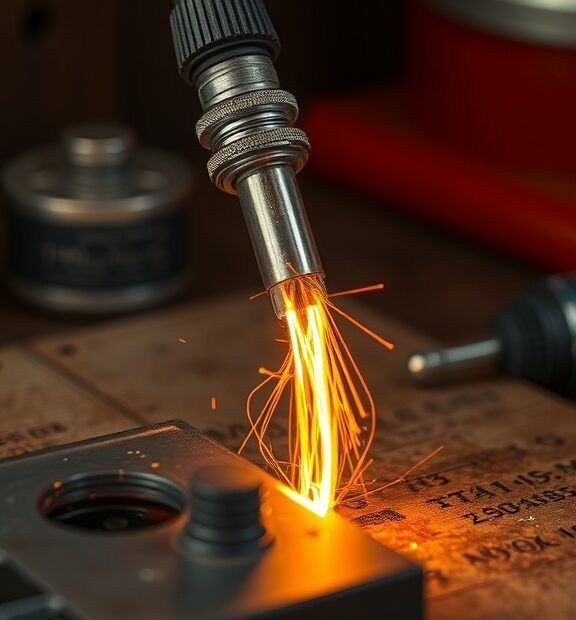
Optimal Temperature Settings for Different Soldering Applications
Finding the right temperature for your soldering iron is crucial for achieving clean, effective joints and avoiding damage to components. Different soldering applications call for varying temperature settings to ensure optimal results. Understanding these temperature settings can significantly enhance your soldering skills and produce better outcomes in your projects.
General Guidelines for Temperature Settings
When determining what temperature to set your soldering iron to, several factors play an important role:
- Type of solder used
- Type of components
- Thickness of the materials
- Specific application requirements
Typically, soldering iron temperatures range between 350°F to 750°F (about 180°C to 400°C). Here’s a closer look at how to set your temperature based on different applications.
Common Soldering Applications
1. Electronics Soldering
For most electronic projects, a temperature between 350°F to 400°F (175°C to 205°C) works best. This range allows efficient heat transfer without damaging sensitive components. When soldering smaller components, such as SMD (Surface-Mount Devices), aim for the lower end of this range to minimize risk. Conversely, for larger components or connections, the higher range can help ensure a solid joint.
2. Plumbing Soldering
When soldering pipes and plumbing fixtures, temperatures need to be higher due to the thickness of the materials involved. A range of 400°F to 500°F (205°C to 260°C) is commonly recommended for plumbing applications. This higher temperature ensures that you can adequately melt the solder and allow it to flow between the joints, creating a strong bond.
3. Jewelry Making
For jewelry making, the ideal temperature can depend on the type of metal being soldered. Generally, you will want to operate at lower temperatures, around 350°F to 450°F (175°C to 230°C). Precious metals like silver can be soldered at about 400°F (205°C). For more delicate pieces, it may be prudent to stay below 400°F to avoid overheating the metal and causing warping or other damage.
Special Considerations
While the general guidelines provide a solid starting point, additional considerations can impact your soldering temperature:
- Type of Solder: Lead-free solder typically requires higher temperatures (about 425°F or 220°C) than lead-based solder.
- Ambient Conditions: Cooler environments may necessitate a slightly elevated temperature to maintain efficient heat transfer.
- Thickness of the Materials: Thicker materials absorb more heat; thus, you might need to increase the temperature to ensure proper bonding.
Testing the Temperature
If you’re unsure about your soldering iron’s temperature, consider using a soldering iron thermometer. This tool can help ensure that you work within the correct range, reducing the risk of overheating delicate components or underheating the solder. This approach is particularly crucial for delicate electronics where heat tolerance varies widely among component types.
Using a Temperature-Adjustable Soldering Iron
If you have a temperature-adjustable soldering iron, take advantage of its versatility. Gradually increase the temperature if you find the solder isn’t flowing as intended. Just remember to return to lower settings once you’ve completed the more robust tasks to avoid damaging sensitive components.
Final Thoughts
Choosing the right temperature for your soldering iron can significantly affect your project’s results. Always consider the specific materials and components you’re working with. Taking the time to adjust the temperature based on different soldering applications can help you achieve clean, strong joints while preserving the integrity of your components. By following these guidelines, you’ll enhance your soldering skills and succeed in your projects.
Common Mistakes When Setting Soldering Iron Temperatures and How to Avoid Them
Soldering is an essential skill in electronics, but many beginners face difficulties when it comes to setting the correct temperature on their soldering irons. Choosing the right temperature can make a significant difference in the quality of your solder joints. Here are some common mistakes you might make when setting soldering iron temperatures, along with tips on how to avoid them.
Choosing a Temperature Too High
One of the frequent mistakes is setting the soldering iron to an excessively high temperature. Many new users think that hotter is better, but this can lead to damaged components. When you overheat a soldering joint:
- The heat can damage sensitive electronic components.
- It can cause excess solder to flow, leading to shorts.
- It can create cold solder joints that may not hold properly.
To avoid this mistake, always refer to the manufacturer’s specifications for the components you’re working with. Typically, most soldering tasks require temperatures between 350°C to 400°C (662°F to 752°F), depending on the solder type.
Ignoring the Type of Solder
Not all solder types require the same temperature. For example, leaded solder melts at a lower temperature compared to lead-free solder. Here are some common solder types and their recommended temperature settings:
- Leaded solder: Approximately 180°C to 210°C (356°F to 410°F)
- Lead-free solder: Approximately 210°C to 250°C (410°F to 482°F)
- High melting point solder: Approximately 260°C to 300°C (500°F to 572°F)
Before starting your project, ensure you know which type of solder you will be using, as this can help you set an appropriate temperature.
Not Allowing the Iron to Reach the Set Temperature
Many beginners make the mistake of not allowing their soldering iron to reach the set temperature before beginning the soldering process. This can result in poor-quality joints that don’t adhere properly. Always wait a few minutes after turning on your iron for it to fully heat up. The tip should glow slightly to indicate it is ready to use.
Poor Tip Maintenance
The soldering iron tip is the most critical part in the soldering process. If the tip is dirty or oxidized, it won’t effectively transfer heat to the solder joint, leading to weak connections. Here’s how to maintain your soldering iron tip:
- Regularly clean the tip with a damp sponge before and after use.
- Use tip tinner or a brass sponge for stubborn oxidation.
- Always keep the tip tinned to protect it from oxidation when not in use.
By maintaining a clean tip, you ensure better heat transfer and, therefore, better soldering results.
Setting the Iron Temperature Based on Guesswork
Another common mistake is relying on guesswork for temperature settings. Instead of experimenting, take the time to research or consult guidelines specific to your soldering tasks. Many manufacturers provide detailed information regarding the ideal temperatures for various applications, which can save you a lot of frustration.
Neglecting Environmental Factors
Your working environment can influence soldering success. Factors such as airflow, humidity, and surface temperature can affect how solder performs. If you’re in a drafty room, the heat from your soldering iron may dissipate too quickly, requiring a higher temperature to maintain adequate melting. Conversely:
- High humidity can cause moisture to accumulate on electronic components.
- A clean and well-prepared workspace can aid in achieving optimal soldering conditions.
Be mindful of these environmental factors, and adjust your strategy accordingly.
Failing to Test the Temperature Settings
If you’re unsure about the temperature setting, you can perform a simple test. Use a piece of scrap material or a small component to see if the solder melts correctly. If the solder doesn’t flow smoothly or takes too long to melt, adjust your soldering iron’s temperature as needed.
By being aware of these common mistakes and adopting best practices, you can improve your soldering skills. Proper temperature settings not only enhance the quality of your work but also extend the life of your soldering iron and components. Remember that soldering is a skill that improves with practice and patience.
Conclusion
Finding the right temperature for your soldering iron is essential for achieving strong, reliable joints in any project. As we’ve discussed, optimal temperature settings vary depending on the materials you’re working with. For instance, delicate components may require a cooler setting around 350°C (662°F), while more robust connections can handle heats upwards of 400°C (752°F). Knowing these specifics allows you to adapt your technique to match the demands of your project while minimizing the risk of damage.
Equally important is avoiding common mistakes when setting your soldering iron temperatures. Overheating your iron can lead to burnt solder, weak joints, and damaged components. If you’re new to soldering, it’s easy to underestimate how a few degrees can impact your results. Make it a habit to double-check your settings before each job and adjust accordingly.
Engaging in regular practice and adjusting to the characteristics of your materials will improve your soldering skills over time. Remember, temperature isn’t just a number on a dial; it’s a critical factor that determines the success of your soldering tasks. By mastering the art of temperature control and avoiding typical pitfalls, you can elevate the quality of your work and ensure lasting results. Always prioritize safety and precision, ensuring you give every project the attention it deserves. Embrace these strategies, and you’ll be well on your way to becoming a more effective and confident soldering enthusiast.