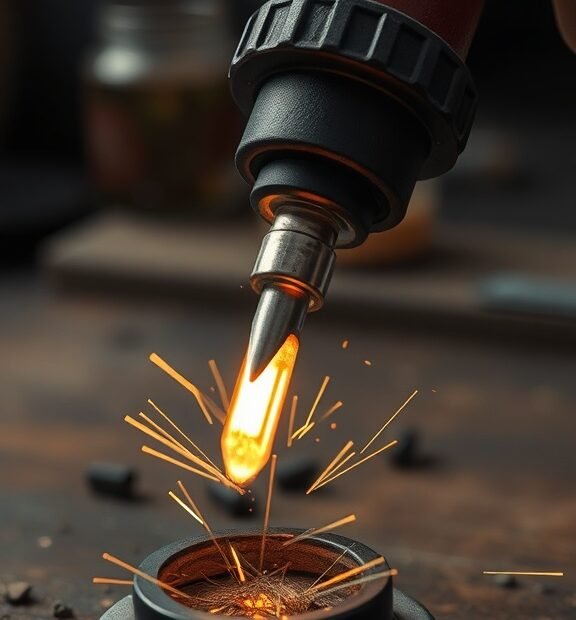
Choosing the Right Soldering Iron for Your Projects
When it comes to your DIY electronics projects or hobbyist endeavors, choosing the right soldering iron is crucial. It can significantly affect the quality of your work and your overall experience. Whether you’re a beginner or an experienced technician, understanding the various features and types will help you pick the ideal soldering iron for your needs.
The first step in your decision-making process is identifying what you plan to solder. Different projects may require different types of soldering irons, depending on the materials involved and the precision needed.
One of the primary characteristics to consider is the wattage of the soldering iron. Typically, a range between 20 watts to 60 watts is common for most hobbyists. If you work with larger components or thicker wires, a higher wattage model will allow the iron to heat up faster and maintain a consistent temperature during the soldering process. For more delicate tasks, like soldering small circuit boards, a lower wattage soldering iron might serve you better.
Next, consider the type of soldering iron tip. Many soldering irons come with interchangeable tips, allowing you to switch out the tip based on your project requirements. A finer tip will provide more precision for small electronics, while a broader tip is useful for larger components.
Here are a few common types of soldering iron tips:
- Conical Tip: Ideal for precision work, perfect for detailed soldering on circuit boards.
- Chisel Tip: Offers a larger surface for soldering joints, reducing the time taken on larger components.
- Bevel Tip: Good for heavy-duty soldering jobs where quick heat transfer is needed.
Temperature control is another important feature to think about. Some soldering irons come with a built-in temperature dial, allowing you to adjust the heat as per your project. This is especially useful if you work with different types of solder or various materials that require specific temperature settings. A soldering iron with adjustable temperature helps prevent overheating and damaging your components.
Moreover, consider whether you would prefer a soldering station over a simple soldering iron. Soldering stations not only include an iron but also usually have a power supply, a stand, and sometimes even a cleaning sponge. They offer more stability and often come with better features like precise temperature control and digital displays, making them an excellent choice for more regular or advanced projects.
When choosing a soldering iron, it’s essential to look for a model with a comfortable grip. Long hours of soldering can be tiring, so an ergonomic design will help you work more efficiently. Additionally, check if the soldering iron has a long cord; a longer cord provides more flexibility during work, allowing you to move around your workspace without limitations.
Another important factor to pay attention to is safety. Look for a soldering iron that comes with built-in safety features, such as an automatic shut-off function. This feature turns the soldering iron off after a period of inactivity, reducing the risk of accidental burns or fires. Always remember to work in a well-ventilated area, as solder fumes can be harmful if inhaled.
Consider your budget. Soldering irons can vary widely in price, from inexpensive models for beginners to high-end versions used by professionals. While it can be tempting to opt for the cheapest option, investing in a quality soldering iron will give you better performance and longevity. Look for customer reviews and do some research to find a balance between quality and cost.
Choosing the right soldering iron for your projects involves considering factors like wattage, tip type, temperature control, and safety features. Understanding your specific needs will guide you to the perfect soldering tool to help you complete your projects with ease and professionalism. No matter which soldering iron you choose, having the right tools will empower you to tackle any project with confidence.
Essential Features to Look for in a Soldering Iron
When you start looking for a soldering iron, it can feel overwhelming due to the variety of options available. However, understanding specific features can guide you toward making an informed decision. Knowing what soldering iron features to prioritize will help you choose the right tool for your projects, whether you’re a hobbyist, professional, or simply need one for home repairs.
Wattage
The wattage of a soldering iron determines how quickly it heats up and how well it maintains its temperature. For most tasks, a soldering iron with a wattage between 20 to 60 watts is ideal. If you’re working with heavy materials or larger components, you may want to consider a model with higher wattage to ensure efficient heat transfer. A higher wattage allows the iron to recover its heat faster after contact with metal, which is crucial for clean solder joints.
Temperature Control
Temperature control is another essential feature to look for. A soldering iron with adjustable temperature settings gives you flexibility based on the materials you’re working with. Different solder materials and board types require specific heat levels. Look for a model that offers a temperature range from around 200°C to 480°C. Some advanced models include digital displays for precise temperature reading, which enhances the control further.
Tip Variety and Replacement
The tip of the soldering iron plays a critical role in your soldering tasks. Soldering irons ideally come with interchangeable tips that fit different applications. A fine tip is suitable for delicate electronics, while a chisel tip works better for larger joints. Additionally, consider how easy it is to replace the tips and whether replacement tips are readily available. Having a variety of tips at your disposal makes your soldering iron more versatile.
Ergonomics and Design
The design and comfort of the soldering iron also matter. A well-designed soldering iron should fit comfortably in your hand, allowing you to work for longer periods without strain. Look for features like a rubber grip or a lightweight body. A comfortable design enhances control and reduces fatigue, making your soldering experience more enjoyable. Furthermore, heat-resistant plastic or a comfortable grip can significantly improve your handling of the tool.
Heat-Up Time and Recovery
Speed is crucial when soldering, especially for intricate projects. The heat-up time determines how quickly you can start working after turning on the soldering iron. Look for an iron that reaches its operating temperature in less than 30 seconds. Moreover, excellent heat recovery can keep your temperature steady when soldering larger components. An iron that can quickly return to its desired temperature allows you to maintain a consistent workflow.
Power Source
Soldering irons come with different power sources, mainly: corded, battery-operated, or rechargeable. Corded options provide continuous power and are ideal for extended projects. However, if you need portability, a battery-operated or rechargeable soldering iron might be the better choice. Evaluate how and where you will use the soldering iron most to select the appropriate power source.
Safety Features
Safety should always be a priority. Look for soldering irons that include features to protect both you and your workspace. Automatic shut-off will turn the soldering iron off if it’s left unattended for a specified time, reducing the risk of accidents. Built-in stands and heat-resistant bases can prevent burns or damage to surfaces. Always opt for models that emphasize safety measures in their design.
Price and Warranty
Budget is always a key factor. Consider how much you’re willing to invest in your soldering iron. Prices can vary widely, so find a model that fits your needs without overspending. Don’t forget to check for warranties as well. A good warranty indicates the manufacturer stands behind their product, offering you peace of mind with your purchase.
When asking yourself, “what soldering iron should I buy?” consider these essential features: wattage, temperature control, tip variety, ergonomics, heat-up time, power source, safety features, and cost. By understanding these aspects, you will be well-equipped to choose a soldering iron that meets your specific needs and enhances your soldering skills.
Conclusion
Selecting the appropriate soldering iron is crucial for achieving professional results in your projects. By understanding your specific needs, whether you are a hobbyist or a seasoned professional, you can make an informed choice that enhances your workflow. Each project may have different demands, and recognizing what you’ll be working on most often will help guide your purchase.
When exploring essential features in a soldering iron, consider factors such as temperature control, wattage, and the type of tip. A soldering iron with adjustable temperature settings gives you the flexibility to work on various materials without overheating or damaging components. Higher wattage soldering irons heat up more quickly and maintain temperature effectively, which is especially beneficial for larger tasks. Don’t overlook the importance of high-quality tips since they significantly affect efficiency and precision in your soldering work.
Above all, choose a soldering iron that feels comfortable in your hand and is easy to use. Remember that an ergonomic design can reduce fatigue during longer sessions, making your experience more pleasurable. By paying attention to these essential features and understanding your specific needs, you can confidently select a soldering iron that will serve you well and ensure high-quality results in your projects. Whether you’re repairing electronics or working on a DIY project, the right soldering iron can make all the difference, turning challenges into successful outcomes.