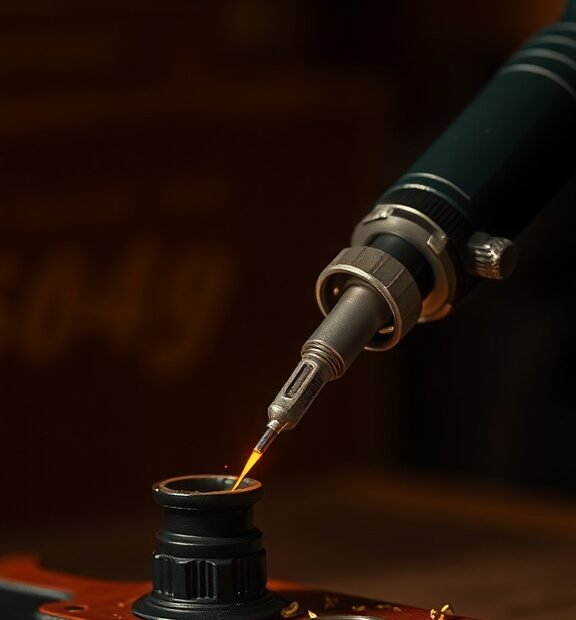
Understanding the Functionality and Uses of a Soldering Iron
A soldering iron is a hand-held tool used to join or bond two or more electrical components together by melting solder. The solder itself is a fusible metal alloy, usually made of tin and lead, which is applied to create a strong and reliable electrical connection. Understanding how a soldering iron works and its various uses can help you get the most out of this essential tool.
How Does a Soldering Iron Work?
The primary function of a soldering iron is to heat a soldering tip to a high temperature. This heat is then transferred to the solder, causing it to melt and flow into the joint between the components being joined. Once cooled, the solder solidifies, forming a stable, conductive connection. Here’s how the process works:
- Heating Element: The soldering iron contains an internal heating element that quickly warms up the tip. This allows for efficient and effective soldering.
- Tip Material: The tip is typically made of copper, which is a great conductor of heat. Copper tips are often coated with iron to prevent oxidation and improve soldering performance.
- Temperature Control: Many soldering irons come with adjustable temperature settings, allowing you to choose the ideal heat for the job at hand. This flexibility enables you to work with various types of solder and electronic components.
Common Uses of a Soldering Iron
Soldering irons are versatile tools used in a variety of applications. Here are some common uses:
- Electronics Repair: Whether it’s a broken circuit board or a loose wiring connection, soldering irons are indispensable for repairing electronic devices. You can easily solder wires back together or replace malfunctioning components.
- Crafting and Hobby Projects: Many people use soldering irons for crafting, such as creating custom jewelry or electronics projects. The ability to create strong, permanent connections makes soldering ideal for these kinds of tasks.
- Building Prototypes: Engineers and developers frequently use soldering irons when building prototypes for new electronic devices. The speed and reliability of solder joints allow for quick adjustments and modifications.
- Jewelry Making: In jewelry making, soldering is essential for joining metal pieces together. Artists use solder to achieve elegant designs and forms that would be difficult to create using other methods.
Choosing the Right Soldering Iron
When selecting a soldering iron, consider the following factors:
- Wattage: The wattage of the soldering iron determines how quickly it can heat up and how well it can maintain temperature. Generally, a higher wattage is better for larger soldering jobs.
- Tip Size: The size of the soldering tip is crucial. A fine tip is ideal for delicate electronic components, while a broader tip is better suited for larger connections.
- Temperature Control: Consider whether you want a basic model or one with adjustable temperature settings. Models with precise controls can enhance your soldering experience, especially for sensitive projects.
Basic Soldering Techniques
To achieve the best results when using a soldering iron, follow these basic techniques:
- Clean the Components: Always ensure that the surfaces to be soldered are clean and free from oxidation or dirt. This ensures better adhesion of the solder.
- Heat the Joint: Instead of applying solder directly to the iron, heat both components being joined first. Touch the solder to the joint to allow it to flow into the connection.
- Avoid Applying Too Much Solder: Use just the right amount of solder. Excess solder can create bridges and unintended connections, which may cause electrical failure.
Understanding the functionality and uses of a soldering iron opens up many opportunities for creativity and repairs. Whether you are a hobbyist, engineer, or just need to fix something around the house, knowing how to use this tool effectively is valuable. Mastering the basics will not only make your projects more successful but also enjoyable as you develop your skills over time.
Essential Safety Tips for Working with Soldering Irons
Working with soldering irons can be both rewarding and challenging. Whether you are repairing electronics, creating jewelry, or building models, understanding essential safety tips is crucial for your well-being. Soldering irons reach high temperatures and can pose risks if not handled properly. Here are some vital safety measures to keep in mind when using a soldering iron.
Wear Appropriate Safety Gear
Before you even pick up a soldering iron, ensure you are wearing suitable safety gear. Here are some essentials:
- Safety Glasses: Protect your eyes from solder splashes and fumes.
- Heat-Resistant Gloves: Use gloves that can withstand high temperatures to avoid burns.
- Long Sleeves: Wear long-sleeved shirts to protect your skin from accidental contact with hot surfaces.
Work in a Well-Ventilated Area
Soldering materials can release harmful fumes, especially when using lead-based solder. To minimize exposure, make sure you work in a space with adequate ventilation. Open windows or use exhaust fans to help disperse any hazardous vapors. Keeping air circulating can significantly reduce health risks.
Use a Soldering Iron Stand
A soldering iron can be extremely hot, and resting it on an inappropriate surface can be dangerous. Always use a soldering iron stand or holder that is designed for this purpose. This ensures the hot tip is safely elevated and reduces the risk of accidental burns or fire.
Keep Your Workspace Organized
An organized workspace not only increases efficiency but also enhances safety. Follow these tips for a safe soldering environment:
- Keep soldering materials and tools neatly stored.
- Avoid clutter around the soldering area to prevent tripping hazards.
- Ensure flammable materials, such as paper or fabric, are at a safe distance from your workspace.
Beware of the Soldering Iron’s Temperature
Always check your soldering iron’s temperature before use. Different tasks might require different heat settings. Remember that the tip can reach temperatures of 400 degrees Celsius (752 degrees Fahrenheit) or more. Avoid touching the tip or metal parts of the soldering iron. If you have to adjust or replace tips, wait until the iron has cooled down significantly.
Use the Correct Solder
Choosing the right type of solder can also affect safety when using a soldering iron. There are various solder types available, including:
- Lead-Free Solder: Consider using lead-free solder to avoid health risks associated with lead exposure.
- Rosin-Core Solder: This type includes a flux that helps in the soldering process, but ensure good ventilation.
Always verify the manufacturer’s recommendations to ensure you’re selecting the right type of solder for your projects.
Handle Hot Tools with Care
When you finish using your soldering iron, allow it to cool completely before putting it away. Always unplug the device when it’s not in use. This helps prevent accidental burns or fires. If you must leave it unattended, ensure it is placed in a safe, designated area away from flammable items.
Be Mindful of Electric Shock
Your soldering iron is an electrical tool, and it’s essential to prevent electric shock. Make sure to:
- Inspect the power cord and plug regularly for any damage.
- Avoid using the soldering iron near water or damp areas.
- Use a grounded outlet to operate the soldering iron.
Practice Proper Soldering Technique
Good practice not only improves the quality of your work but also enhances safety. Here are some tips:
- Ensure a firm grip on the soldering iron.
- Apply solder in a controlled manner to avoid excessive spillage.
- Do not breathe in fumes directly; turn your head away when soldering.
By following these essential safety tips when working with soldering irons, you can enjoy your projects without compromising your safety. Stay informed, stay safe, and happy soldering!
Conclusion
A soldering iron is an invaluable tool in various DIY projects and electronics work, bridging the gap between components with precision and ease. By understanding its functionality and diverse applications, you equip yourself to tackle a wide range of tasks, from building circuit boards to repairing delicate gadgets. This tool can transform your ideas into reality, provided you use it correctly and safely.
To ensure a smooth and accident-free experience, adhering to essential safety tips is crucial. Always wear eye protection and work in a well-ventilated area to avoid harmful fumes. Additionally, keep your workspace organized to minimize the risk of accidents, and remember to unplug the soldering iron when not in use to prevent unintentional burns. These practices will not only protect you but also enhance the quality of your work.
Embracing the knowledge of how a soldering iron works, along with proper safety measures, positions you to unleash your creativity and craftsmanship. Whether you’re a seasoned soldering expert or a curious beginner, being informed about both the tool’s operation and the associated risks ensures a rewarding experience. With the right approach, your soldering projects can be both enjoyable and successful, paving the way for future ventures in the realms of electronics and beyond. Equip yourself with these insights, and don’t hesitate to explore the fascinating world of soldering. Your next project awaits!