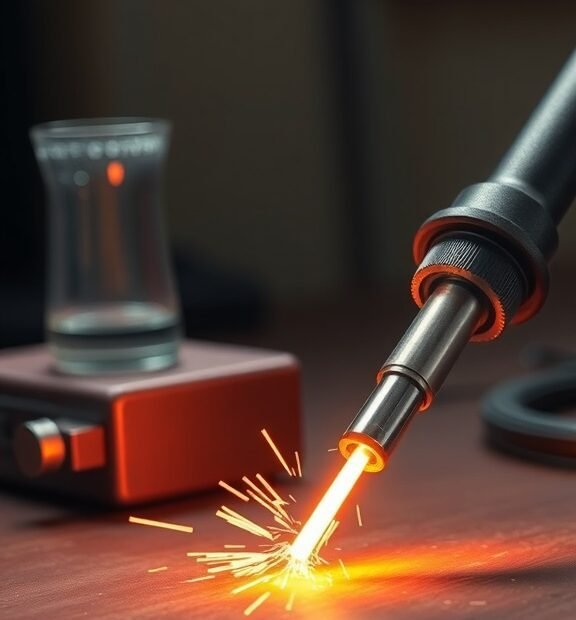
Determining the Ideal Temperature for a Soldering Iron for Various Materials
Soldering effectively requires understanding the right temperatures for different materials. Using the appropriate temperature for your soldering iron not only facilitates better connections but also protects components and ensures durability. Here’s a breakdown of ideal temperatures tailored for various materials often encountered in electronics, plumbing, and crafting.
General Guidelines for Soldering Iron Temperature
Most soldering tasks can be successfully completed with a soldering iron set between 350°C and 400°C (662°F to 752°F). This range works well for a variety of materials, including copper and PCB. However, some specific applications require adjustments in temperature.
Soldering Iron Temperature for Different Materials
1. Copper
Copper is a common metal in electronics and plumbing. For soldering copper wires or pipes, maintain the soldering iron at approximately 350°C to 360°C (662°F to 680°F). This temperature allows you to melt the solder quickly, creating a strong bond without damaging the copper or causing oxidation.
Soldering Stations | Easy 60 Day Return
2. PCB Components
Printed Circuit Boards (PCBs) are sensitive, so a lower temperature is often preferred to prevent heat damage. A soldering iron temperature of 250°C to 300°C (482°F to 572°F) is generally appropriate. It allows for effective soldering while minimizing the risk of damaging delicate components.
3. Aluminum
Soldering aluminum requires more heat due to its higher thermal conductivity. The ideal temperature for aluminum is around 400°C to 450°C (752°F to 842°F). However, be cautious, as too much heat can warp or degrade the material.
Soldering Stations | Easy 60 Day Return
4. Tin and Lead Alloys
Tin-lead solder is commonly used in electronics. For tin-lead solder, a temperature between 330°C to 350°C (626°F to 662°F) usually suffices. This ensures that the solder flows well without burning out the components.
5. Solder for Gold and Silver
When soldering precious metals like gold or silver, maintaining a lower temperature is essential to avoid ruining the material. A soldering temperature of about 270°C to 320°C (518°F to 608°F) is appropriate. This is especially critical when working with thin sheets, where excess heat can easily lead to damage.
Soldering Stations | Easy 60 Day Return
Temperature Management Tips
To achieve the best results, it’s important to manage the temperature of your soldering iron carefully. Here are some helpful tips:
- Use a Thermostat: Consider using a soldering iron with a built-in thermostat for precise temperature control.
- Tip Maintenance: Make sure the tip of your soldering iron is clean and well-tinned. This enhances heat transfer and makes it easier to solder.
- Practice Time: Minimize the time the soldering iron is in contact with the material. The longer it stays, the greater the risk of damage.
Choosing the Right Solder
In addition to temperature, selecting the correct solder type is crucial. Here’s a quick overview of common solder types:
Soldering Stations | Easy 60 Day Return
- Lead-Free Solder: Has a higher melting point (typically 217-250°C / 423-482°F) and is more environmentally friendly.
- Lead-Based Solder: Melts at lower temperatures (around 180-190°C / 356-374°F) and is easier to work with for beginners.
- Silver Solder: Ideal for jewelry and electrical applications, it melts at higher temperatures (around 600-800°C / 1112-1472°F).
Understanding the various temperatures suited for different soldering materials helps you become a more effective and efficient crafter or technician. Remember that choosing the right temperature not only ensures a solid bond but also protects your materials and components from potential damage.
Practice makes perfect. The more you experiment with different materials and temperatures, the more skilled you will become at soldering. Keep these guidelines handy, and you’ll find success in your soldering projects!
Common Mistakes to Avoid When Setting Soldering Iron Temperatures
When working with a soldering iron, getting the temperature right is crucial for achieving effective soldering results. However, many people make common mistakes that can lead to poor connections or even damaged components. Recognizing these pitfalls can help you enhance your soldering skills and produce better outcomes.
Soldering Stations | Easy 60 Day Return
Using Incorrect Temperature Settings
One of the most frequent mistakes is not using the appropriate temperature for the specific soldering task. Different materials require different heat levels. For instance, soldering components like resistors or circuit boards often requires a temperature around 350°C (662°F). Meanwhile, larger joints or heavy-duty soldering can demand higher temperatures. Ensuring you know the requirements of your materials is the first step to avoiding mistakes.
Neglecting Calibration
Before starting your soldering project, it’s essential to calibrate your soldering iron properly. Often, the temperature dial does not accurately reflect the actual temperature. Take the extra few minutes to check and, if necessary, calibrate your iron. A digital thermometer can help you verify the exact temperature before you start soldering.
Soldering Stations | Easy 60 Day Return
Ignoring Temperature Variation
The temperature of a soldering iron can drop significantly when it comes into contact with a workpiece, especially larger ones. This phenomenon is known as thermal mass. If you start soldering at a high temperature and the iron loses heat upon contact, you might find yourself improperly soldering the joint. Give your iron a moment to recover its heat after touching the workpiece, ensuring effective application.
Failing to Adjust for Different Solder Types
Different types of solder have various melting points. For example, lead-free solder typically has a higher melting temperature than traditional leaded solder. If you don’t adjust your iron’s temperature appropriately, you might struggle with insufficient melting or overcooking the solder. Always check the specifications of the solder you’re using and make necessary adjustments.
Soldering Stations | Easy 60 Day Return
Overheating Components
It’s easy to get carried away with applying heat, but overheating can severely damage electronic components. Excessive heat can break down sensitive parts, leading to malfunction. To prevent this, learn to recognize the behaviors of the components you’re soldering. If you see discoloration or melting, back off the heat immediately. A good rule of thumb is to use the lowest effective temperature to get the job done.
Not Using the Right Tip Size
The soldering iron’s tip size significantly impacts temperature management and effectiveness. A larger tip holds more heat and can transfer it to the joint more effectively. However, if the tip is too large for small components, it may apply too much heat, damaging them. On the opposite side, a smaller tip may not efficiently conduct heat for larger solder joints, resulting in insufficient solder flow. Choose a tip that best fits your task at hand for optimal performance.
Soldering Stations | Easy 60 Day Return
Speeding Through the Soldering Process
Many beginners rush through soldering, thinking faster means better. Unfortunately, this can lead to poor-quality solder joints. Soldering is an art that requires patience. Allow your soldering iron to do its job. Spend enough time on each joint to ensure proper melting and adhesion. Rushing can lead to cold solder joints, which are weak and prone to failure.
Not Cleaning the Tip Properly
A common oversight is neglecting to keep the soldering iron tip clean. Oxidation builds up quickly on the tip and can hinder heat transfer. Always remember to clean the tip regularly during the soldering process, using a damp sponge or a tip cleaner. A clean tip will not only perform better but will also help ensure consistent temperatures for effective soldering.
Soldering Stations | Easy 60 Day Return
By being aware of these common mistakes, you can significantly improve your soldering skills. Remember that practice and careful attention to detail will lead to better results. Maintain optimal temperature settings, calibrate your tools, and adjust based on the materials and tasks at hand. With these tips, you’ll find that soldering becomes not only more effective but also more enjoyable.
Conclusion
Finding the right temperature for your soldering iron is crucial for achieving quality joints and preventing damage to components. Depending on the materials you are working with, your ideal temperature can vary significantly. For instance, when soldering delicate components like circuit boards, a lower temperature around 250°C (482°F) is often sufficient to avoid overheating. However, for heavy-duty materials such as copper or brass, you may need to increase the heat to 350°C (662°F) to ensure proper melting of the solder.
Avoiding common mistakes is just as important as setting the right temperature. Ensure your soldering iron is adequately preheated. Inadequate heating can lead to prolonged contact with the component, causing damage. Additionally, using too high of a temperature can lead to burnt solder and compromised connections. Always calibrate your soldering iron based on the specific task at hand, and refer to the specifications provided by component manufacturers whenever available.
Soldering Stations | Easy 60 Day Return
By taking the time to adjust the soldering iron’s temperature and being cautious about common pitfalls, you can enhance your soldering projects significantly. This attention to detail will result in stronger, cleaner joints and increased longevity of your work. Mastering the art of soldering involves practice, but with the right temperature and mindful approach, you’ll find the process becomes much easier, yielding professional-looking results every time.