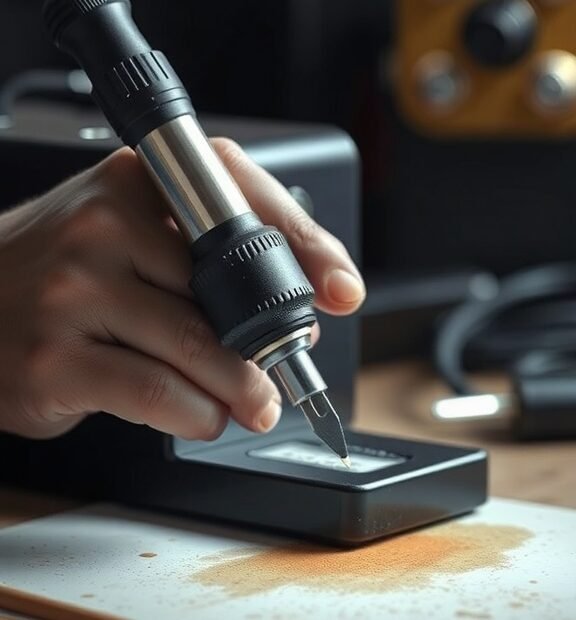
A Comprehensive Guide to Choosing the Best Soldering Iron for Your Projects
Choosing the right soldering iron is essential for the success of your electronics projects. Whether you’re a hobbyist working on small DIY projects or a professional needing to repair delicate components, the quality of your soldering tool can significantly impact your work. Let’s dive deeper into what makes the best soldering iron and how you can find one that suits your needs.
There are a few key factors to consider when selecting a soldering iron:
- Type of Soldering Iron: You’ll usually find three main types of soldering irons: basic soldering irons, soldering stations, and battery-powered soldering irons. Basic soldering irons heat up to a stable temperature. Soldering stations allow you to control the temperature and often come with a more advanced setup. Battery-powered soldering irons offer portability, making them perfect for on-the-go projects.
- Wattage: The wattage of your soldering iron determines how quickly it heats up and how well it maintains its temperature during use. For general electronics, a 30 to 60-watt iron is usually sufficient. If you are working with larger components, consider one with higher wattage.
- Temperature Control: Having adjustable temperature settings can greatly enhance your soldering experience. It allows you to adapt to various solder types and components. Look for models that let you set temperatures between 200°C to 480°C (392°F to 896°F) for versatility.
- Tip Variety: Soldering iron tips come in various shapes and sizes. A fine tip is great for precision work, while a chisel tip is better for soldering larger joints. Some soldering stations come with interchangeable tips, giving you the flexibility to choose what best fits your task.
- Build Quality: Look for soldering irons that feel sturdy and are made with high-quality materials. A comfortable grip handles will make extended sessions easier on your hands.
- Brand Reputation: Brands with a track record of quality and customer satisfaction often serve as reliable indicators of a good product. Researching user reviews can provide insights into performance and longevity.
Now, let’s explore some highly recommended soldering irons that could be the best buy for your projects:
- Weller WLC200: This is a popular choice for both beginners and seasoned professionals. With adjustable wattage from 5 to 40 Watts, it offers a range of versatility for various kinds of projects. Its lightweight design and comfortable grip make it easy to use for longer periods.
- Hakko FX888D: Known for its fantastic temperature stability, the Hakko FX888D is a digital soldering station that allows for precise temperature adjustments. It’s robust and highly rated for its performance and durability, perfect for professionals working on complex electronics.
- Vastar Soldering Iron Kit: For beginners, the Vastar kit provides great value. It includes a 60-watt soldering iron, a variety of tips, and solder wire, making it a comprehensive starter kit for any DIY enthusiast.
- Weller WHS40: This soldering station comes with a pair of high-performance tips and less than a minute heating time. It also features an ergonomic design, perfect for both light and heavy soldering tasks.
To maintain your soldering iron and ensure it performs well, here are some care tips:
- Keep the tip clean: Regularly clean the tip with a damp sponge or brass sponge to remove oxidation and solder residue.
- Use the right solder: Use lead-free solder whenever possible, as it’s better for the environment and typically has a high melting point.
- Store properly: When not in use, always place your soldering iron in a safe holder or stand to avoid accidents and extend its life.
Finding the best soldering iron involves considering the type, wattage, temperature control, and build quality based on your specific needs. With many great options available, you’re sure to find a soldering iron that enhances your electronic projects. Happy soldering!
Essential Tips for Maintaining Your Soldering Iron for Longevity and Performance
As a DIY enthusiast or a professional, taking care of your soldering iron is essential for keeping it in top condition. A well-maintained soldering iron not only makes your work easier but also enhances the quality of your soldering projects. Here are some essential tips to ensure the longevity and performance of your soldering iron.
Regular Cleaning
One of the simplest yet most effective ways to maintain your soldering iron is through regular cleaning. After each use, be sure to:
- Clean the tip with a damp sponge or brass wool to remove any solder residue.
- Use a cleaning solution designed for soldering tools if necessary, ensuring no contaminants build-up.
- Wipe the tip on a wet sponge while it’s still hot for immediate cleanliness.
Tip Tinning
Tip tinning is the process of applying a small amount of solder to the iron’s tip before and after use. This practice provides an oxygen barrier that prevents oxidation, which can lead to a worn-out tip. Here are some key points to remember:
- Apply solder to the tip while it’s hot; this helps in better adhesion.
- Don’t overdo it. A thin layer is good enough.
- Tinning before use improves heat transfer, making your soldering more efficient.
Keep the Temperature in Check
Using the appropriate temperature for your soldering iron is crucial. Excessive heat can damage the tip and the components you are working with. Follow these guidelines:
- Use the recommended temperature for the type of solder you are using; generally, around 350°C is suitable for most electronics.
- Let your soldering iron reach its optimal temperature before you start working.
- Adjust the temperature if you notice excessive smoke, which indicates overheating.
Store Properly
How you store your soldering iron can affect its lifespan significantly. Proper storage keeps it safe from accidents and damage:
- Always use a soldering iron stand to prevent it from rolling around and getting damaged.
- Keep the iron tip covered when not in use to protect it from dust and contaminants.
- Avoid placing the soldering iron in a confined space while it’s still hot; let it cool first.
Check for Wear and Tear
Regularly inspect your soldering iron for any signs of wear and tear. Here’s what to look out for:
- Check the tip for oxidation or severe wear.
- Look over the power cord for any frayed wires, which can create safety hazards.
- Examine the soldering station connections to ensure they’re secure.
Invest in Quality Products
Sometimes, it helps to invest in a quality soldering iron and accessories. High-quality tools usually last longer and perform better. Here’s what to consider:
- Look for brands that are known for their durability and reliability.
- Choose soldering irons with replaceable tips; this makes it easier to maintain long-term.
- Read user reviews and product ratings for insight on performance and durability.
Use the Right Solder
The type of solder you use can significantly impact your soldering iron’s performance and longevity. Here are excellent practices:
- Choose solder with a rosin core as it’s easier to work with and less harmful to the soldering tip.
- Avoid using lead-free solders if you’re not comfortable, as they require higher temperatures.
- Experiment to find the right solder type that fits your needs best.
Maintaining your soldering iron requires consistent attention but pays off with improved performance and durability. By following these tips, you will ensure that your soldering iron remains a reliable tool for all your projects. Happy soldering!
Conclusion
Choosing the right soldering iron is a critical step in ensuring the success of your projects. By understanding the various types, wattages, and features available, you can find the perfect tool tailored to your needs, whether you are a hobbyist, a professional, or simply someone who enjoys DIY electronics. Remember to consider factors such as the temperature control, tip size, and ergonomic design to enhance your soldering experience.
Maintaining your soldering iron is equally important for longevity and consistent performance. Regular cleaning of the tip, using the right solder, and storing your tool properly can significantly extend its lifespan. Simple maintenance practices, such as tinning the tip and avoiding excessive heat exposure, will help keep your soldering iron in top condition, ensuring it works effectively for years to come.
Armed with this knowledge, you are now ready to make an informed decision and maximize your soldering experience. The best soldering iron for you is one that meets your specific requirements while making your projects enjoyable and efficient. Whether you are working on intricate circuit boards or simple home repairs, the right soldering iron—combined with good maintenance—will empower you to create with confidence. Embrace the journey of soldering, and don’t hesitate to explore new techniques and projects as your skills grow.