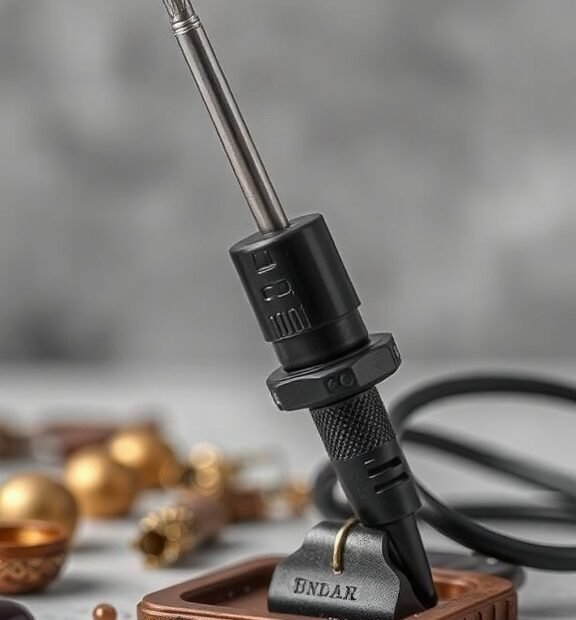
The Best Soldering Iron for Jewelry Making: Features and Benefits
When it comes to jewelry making, having the right tools can make a significant difference in the final product. One essential tool is a reliable soldering iron. Understanding what features to look for can help you choose the best soldering iron for your specific needs. Let’s dive into the features and benefits that can elevate your jewelry-making experience.
Key Features to Consider
Before purchasing a soldering iron for jewelry making, consider the following features:
- Temperature Control: A soldering iron with adjustable temperature settings allows you to customize the heat according to the materials you are working with. This control is crucial for preventing damage to delicate pieces.
- Wattage: Typically, a soldering iron for jewelry making ranges from 20 to 100 watts. For most jewelry projects, a 30-60 watt soldering iron is ideal. Higher wattage means quicker heat-up times, which can greatly improve your working efficiency.
- Tip Size and Shape: Different projects require different soldering tips. Fine tips are great for intricate work, while broader tips can handle larger joints. Look for soldering irons that offer interchangeable tips for versatility.
- Ergonomics: Since soldering can take a long time, a comfortable, lightweight design can help ease hand strain. Look for features like heat-resistant grips for added comfort during extended use.
- Easy to Use: A user-friendly soldering iron is best, especially for beginners. Consider options that heat up quickly and are easy to set up.
- Safety Features: Safety should always be a priority. Soldering irons that include automatic shut-off functions or safety stands can reduce the risk of accidents.
Benefits of Using the Right Soldering Iron
Utilizing the best soldering iron for jewelry making brings several advantages:
- Improved Precision: A well-designed soldering iron with a fine tip allows for precision work, enabling you to make clean and tidy solder joints while minimizing damage to the piece.
- Enhanced Efficiency: Adjustable temperature settings and faster heat-up times mean you can spend less time waiting for your iron to get hot and more time creating.
- Customizable Heat Settings: Being able to customize the heat settings means that you can work with a variety of materials such as silver, gold, and even copper without the fear of overheating and ruining your projects.
- Increased Longevity of Tools: By using the right soldering temperature, you’re less likely to damage your soldering iron tips, leading to longer-lasting equipment.
- Better Safety Practices: Soldering irons designed with safety in mind reduce the chance of accidents, allowing you to work with confidence.
Popular Soldering Iron Options
Here are some recommended soldering irons that stand out for jewelry making:
- Weller WLC100: This popular choice features adjustable wattage, a fine tip, and ergonomic grip, making it suitable for various jewelry tasks.
- Hakko FX-888D: Known for its precise temperature control, this soldering iron is favored by professionals and hobbyists alike, ensuring you get consistent results.
- Dremel 200-Series: This versatile tool can act as both a soldering iron and a rotary tool, catering to a variety of craft needs.
Choosing the best soldering iron for jewelry making is crucial for achieving professional-looking results. By considering features such as temperature control, wattage, tip size, and safety features, you can find the right tool tailored to your needs. Investing in a good soldering iron not only enhances your workflow but also boosts the quality of your jewelry creations. Whether you are a beginner or an experienced artisan, having the right soldering iron can lead to impressive results and a more enjoyable crafting experience.
Essential Techniques for Using a Soldering Iron in Jewelry Crafting
Jewelry crafting often calls for precision and finesse, making the use of a soldering iron an essential technique in the process. Knowing how to use a soldering iron effectively can make a significant difference in the quality of your work. Let’s explore some key techniques to master this vital tool in jewelry making.
Choosing the Right Soldering Iron
Before you begin, selecting the right soldering iron is crucial. Here are some factors to consider:
- Wattage: A soldering iron with a wattage of 30 to 100 watts is typically best for jewelry making. Lower wattage can take longer to heat and may not adequately melt solder, while higher wattage may damage delicate materials.
- Tip Size: Select a tip that is narrow enough to work on small joints but wide enough for adequate heat transfer. A conical or chisel tip tends to be ideal.
- Temperature Control: An adjustable temperature feature allows you to fine-tune the heat level for different types of metals and soldering tasks, enhancing your control over the application.
Preparing Your Workspace
Create an organized workspace that encourages safety and efficiency. Here are some tips:
- Ventilation: Ensure your area is well-ventilated to avoid inhaling harmful fumes.
- Safety Gear: Protect yourself with safety glasses and a heat-resistant mat to avoid burns and accidents.
- Tools and Materials: Gather all necessary items close by, including solder, flux, tweezers, and a cleaning sponge for your iron’s tip.
Mastering Technique
With the right tools and workspace, you can start mastering your soldering technique. Here’s how:
- Clean the Metal: Always ensure that the surfaces to be joined are clean and free of oxidation. Use a file or sandpaper for shiny surfaces and pickling solution for a thorough clean.
- Apply Flux: Flux helps enhance the solder flow and minimizes oxidation. Apply a small amount to the joint before soldering.
- Heat the Metal, Not the Solder: Position the iron at the joint for a brief moment until the metal reaches soldering temperature. Then, introduce the solder to the joint area, allowing the heat to draw it in.
Post-Soldering Practices
After completing your soldering, care for your work and tools:
- Quenching: Cool your piece in water after soldering to stabilize the metal.
- Cleaning: Clean off any residual flux with warm soapy water or a toothbrush. This ensures your piece is ready for polishing.
- Inspect Your Work: Check the joints for brittleness and ensure all connections are secure. If a joint appears weak, you may need to reheat and add more solder.
Working with Different Metals
Each type of metal reacts differently to heat and solder. Consider these tips based on metal types:
- Silver: Use silver solder and work at a lower temperature to avoid discoloration or melting.
- Gold: Choose solder that matches the karat of your gold piece to maintain color and integrity.
- Copper: Copper requires higher heat; ensure your soldering iron is appropriately powered for effective joining.
Practice Makes Perfect
Like any skill, proficiency with a soldering iron comes with practice. Dedicate time to hone your technique on scrap pieces before moving on to your actual jewelry designs. Experimenting with different metals, solder types, and joint designs will enhance your versatility and confidence.
As you progress, you’ll find that understanding these essential techniques for using a soldering iron in jewelry crafting elevates your work, ensuring more refined and durable designs. Remember, patience and precision are key components of successful soldering, leading to beautiful, long-lasting jewelry pieces.
Conclusion
Choosing the right soldering iron is crucial for anyone involved in jewelry making, whether you are just starting out or are a seasoned expert. Selecting a soldering iron with the right wattage, temperature control, and tip size can greatly enhance your precision and efficiency. Choosing models with ergonomic designs can also help reduce fatigue during longer crafting sessions. These features ensure that you can create intricate pieces with ease, leading to a more enjoyable experience.
Mastering essential techniques will elevate your jewelry making to new heights. Understanding how to control the heat, apply solder correctly, and manage the flow of materials is key. Practice makes perfect; taking the time to develop these skills will boost your confidence and help you produce professional-quality work.
Remember, soldering is as much about technique as it is about the tools you use. The right soldering iron paired with a solid grasp of soldering techniques will help you create stunning pieces that showcase your creativity. As you explore and experiment with different soldering methods, you’ll likely discover your unique approach that adds personal flair to your creations.
Ultimately, investing time into both selecting the best soldering iron for jewelry making and mastering the techniques associated with its use will significantly impact your success as a jewelry maker. Keep these insights in mind, and you’ll be well on your way to crafting beautiful, lasting pieces of art. Happy soldering!