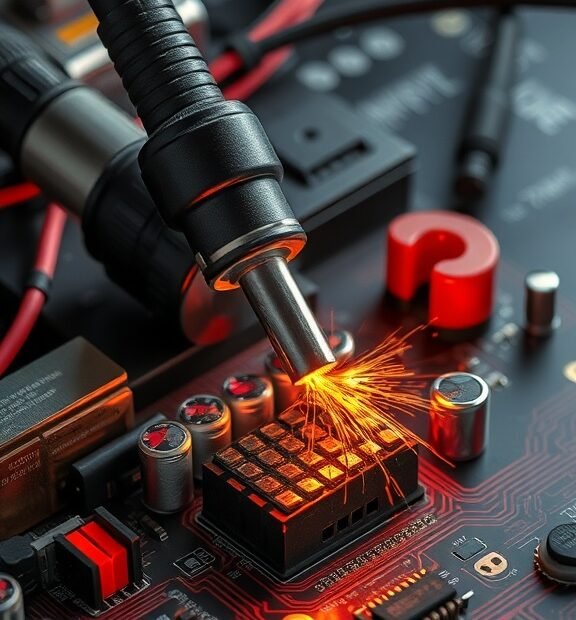
Evaluating the Best Soldering Iron for Electronics: Key Features to Consider
When you dive into the world of electronics, having the right tools is essential. One of the most critical tools for DIY enthusiasts, hobbyists, and professionals alike is a soldering iron. Choosing the best soldering iron for electronics can greatly affect the quality of your work. With many options available, understanding key features can help you make an informed decision.
Power Rating
Power rating is one of the first features to consider. The wattage of a soldering iron determines how quickly it heats up and how well it can maintain temperature. For most electronics work, a soldering iron with a power rating between 20 to 60 watts is ideal. Lower wattages may struggle to heat up adequately, while higher wattages could lead to overheating components, damaging delicate electronic parts.
Temperature Control
Temperature control is another critical factor. You want a soldering iron that offers adjustable temperature settings. Many advanced models come with a digital display, allowing you to set specific temperatures suitable for different tasks. To solder surface-mount devices or manage delicate components, a temperature range from 350°F to 850°F (180°C to 450°C) is preferred. This versatility ensures that you can work with a variety of materials without risk.
Soldering Tip Compatibility
The type of soldering tip you use can significantly impact your soldering quality. Look for a soldering iron that allows you to swap out tips easily. Here are some common tip types:
- Conical Tips: Great for precise soldering.
- Chisel Tips: Ideal for larger solder joints.
- Knife Tips: Useful for working with surface mount components.
Ensure that the soldering iron you choose has compatibility with a wide range of tips, giving you flexibility for various projects.
Ergonomics and Design
Comfort and usability can greatly enhance your soldering experience. Ideally, your soldering iron should have a lightweight design, allowing you to use it for extended periods without fatigue. Rubber or silicone grips provide excellent control and comfort while working. Additionally, pay attention to the placement of the power button and the cord’s flexibility to avoid tangling during your projects.
Heating Elements
The type of heating element used in a soldering iron can influence heat recovery time. There are mainly two types: traditional and ceramic. Traditional heating elements can take longer to reach and maintain temperature, while ceramic ones heat up quickly and provide more stable temperatures during use. When evaluating a soldering iron, choose a model with a ceramic heating element for efficiency in electronic work.
Brand Reputation and Warranty
When choosing the best soldering iron for electronics, consider reputable brands known for quality and reliability. Established brands often provide a better warranty, which can give you peace of mind. Some well-respected brands in the soldering tool market include Weller, Hakko, and X-Tronic. Research customer reviews and expert recommendations to ensure you select a soldering iron that meets your needs.
Price Point
Consider your budget. Soldering irons come in various price ranges, with basic models starting around $10 and high-end options reaching $300 or more. While you don’t need to break the bank for a good soldering iron, investing in a mid-range model (between $30 and $100) typically offers a good balance of quality and features. Make sure to compare the functions and benefits of each model within your budget.
Remember, the best soldering iron for electronics will depend on your specific needs and preferences. By focusing on essential features such as power rating, temperature control, ergonomics, and brand reputation, you can select a soldering iron that will enhance your electronics projects. With the right tool, you can ensure your work is precise, efficient, and enjoyable.
Comparing Popular Soldering Iron Brands for Electronics Projects
When diving into electronics projects, choosing the right soldering iron can make all the difference in your experience and the quality of your work. With so many options available, comparing popular soldering iron brands can help you find the perfect tool for your needs. Here’s a look at some of the most reputable brands and what they offer.
Weller
Weller is a well-established name in the soldering community, known for its reliability and performance. Their soldering irons often feature adjustable temperature controls, allowing you to customize the heat to suit different types of projects. Popular models like the Weller WLC100 are favored for their decent wattage and easy-to-replace tips. Whether you’re a novice or an experienced technician, Weller provides tools that can adapt to your skill level.
Hakko
Another brand that deserves a mention is Hakko. Renowned for their advanced technology, Hakko soldering stations come with features like digital displays and programmable temperature controls. Their popular model, the Hakko FX-888D, is praised for its quick heat-up time and excellent thermal recovery. If precision and control are what you seek, Hakko may be the right choice for your electronics projects.
Portasol
For those who need a bit more versatility, Portasol offers gas-powered soldering irons. These are especially great for outdoor projects, where access to electricity may be limited. Although typically heavier than electric models, gas-powered irons provide great flexibility. The Portasol Pro is a popular choice, featuring a refillable gas canister and adjustable flame. This brand is perfect for hobbyists looking to tackle electronics projects in various locations.
Baku
Baku soldering irons are known for their affordability and portability. They offer a range of models that cater to different budgets and skill levels. The Baku BK-850D is often recommended for beginners due to its user-friendly design and decent performance. Its lightweight construction and compact size make it easy to transport, making Baku a solid option for students or casual hobbyists.
ANENG
ANENG is a newer brand making waves with its budget-friendly soldering solutions. Their products typically come with a basic set of features, which can result in great value for budget-conscious users. The ANENG S50 soldering iron is gaining popularity among DIY enthusiasts for its simplicity and effectiveness, boasting adjustable temperatures and quick heat-up time. For those just dipping their toes into electronics, ANENG offers a great entry point without breaking the bank.
When comparing these brands, consider the types of projects you’ll be tackling. For instance, if your work involves different materials or requires fine detailing, you might lean towards the more advanced features of a Hakko or Weller. Beginners may find comfort in the straightforward designs of Baku or ANENG, while those needing portability might appreciate Portasol’s gas-powered options.
Key Factors to Consider
- Wattage: Higher wattage often means quicker heat-up times, which can significantly speed up your workflow.
- Temperature Control: Adjustable temperature settings allow for better control, especially important when working with sensitive components.
- Tip Selection: Different jobs require different tip styles. Look for brands with a variety of tips available.
- Portability: If you plan to work in different locations, a lightweight or gas-powered option may be best.
Ultimately, the best soldering iron for electronics will depend on your specific needs and preferences. Each brand offers distinct features and advantages. By understanding what each has to offer, you can make an informed choice that enhances your electronics projects. Remember, a good soldering iron is an investment in your skills and creativity.
Conclusion
Choosing the right soldering iron for your electronics projects can significantly impact your success and overall experience. By evaluating key features such as temperature control, wattage, tip variety, and ergonomic design, you can ensure that you pick a tool that meets your specific needs. Whether you prioritize precision work or versatility in soldering tasks, understanding these aspects will help you make an informed choice.
Additionally, comparing popular soldering iron brands provides insight into which tools are favored by professionals and hobbyists alike. Brands like Weller, Hakko, and XYTronic consistently deliver quality products that boast durability and reliable performance. It’s essential to weigh the pros and cons of each brand, considering factors like warranty, customer service, and availability of replacement parts.
Remember, investing in a good soldering iron leads to better results in your electronics projects, saving time and reducing headaches. Take your time to assess your options and think about how often you’ll use the tool and the types of projects you’ll tackle. Whether you are a beginner or a seasoned expert, having the right soldering iron can make all the difference.
Ultimately, your choice should balance quality, ease of use, and your budget. With the right information and a little research, you can confidently select the best soldering iron for electronics, empowering you to create, repair, and innovate with ease. So, get ready to dive into your next project with the perfect soldering companion by your side!