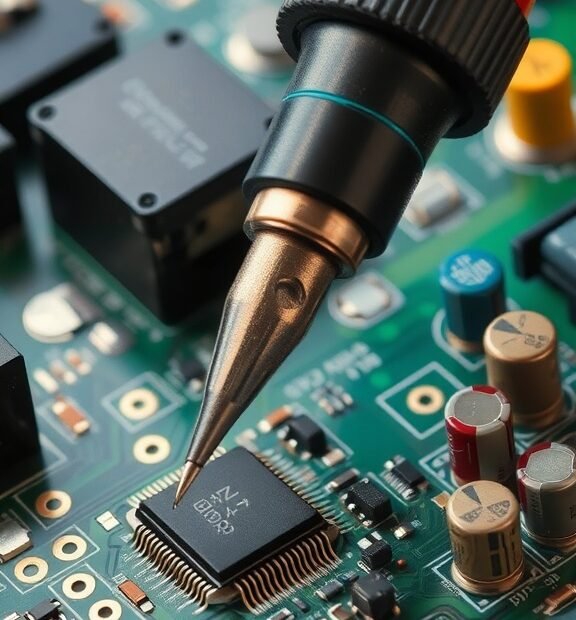
Evaluating the Best Soldering Iron for Circuit Boards: Key Features to Consider
When you’re working on circuit boards, having the right soldering iron can make a big difference in your projects. With so many options on the market, identifying the best soldering iron involves considering several essential features. Here’s what you need to think about to make an informed choice.
Wattage
The wattage of a soldering iron is a crucial factor. Typically, for circuit boards, you want an iron with a wattage between 20 to 60 watts. A lower wattage may not heat up enough to produce reliable solder joints, while a higher wattage can damage sensitive components. Choose an iron that balances heat and control.
Temperature Control
Being able to adjust the temperature is also important. Look for soldering irons with digital displays that allow you to set precise temperatures. A good range is between 200°C (392°F) and 400°C (752°F). This flexibility helps you work with various components without risk of overheating them.
Tip Types and Materials
The tip of your soldering iron significantly affects your ability to work on circuit boards. Here are a few considerations:
- Shape: Fine tips are great for precision work, while chisel tips work well for larger areas.
- Material: Copper tips coated with nickel or chrome are preferred as they provide excellent thermal conductivity and durability.
- Interchangeable Tips: Opt for soldering irons that allow you to change tips easily for different tasks.
Ergonomics
When you’re soldering, comfort is key. Look for soldering irons that are lightweight with ergonomic grips. An iron that feels good in your hand will allow you to work for extended periods without discomfort. This is especially important if you are tackling complex circuit boards with multiple joints to solder.
Heat-Up Time
Time is often of the essence, particularly during complex projects. A soldering iron that heats up quickly (within 30 seconds) can save you valuable time and help maintain your momentum. Always check reviews and specifications to ensure you’re getting a fast-heating option.
Safety Features
Safety should always be your top priority. Many modern soldering irons come with features that make them safer to use:
- Auto Shut-Off: This feature turns off the soldering iron after a set period of inactivity, reducing the risk of accidental burns.
- Stand or Cradle: Make sure your soldering iron comes with a stable stand or cradle to keep it safely when not in use.
- Heat-Resistant Gloves: Consider using gloves if you’re new to soldering or if you tend to drop tools often.
Portability
If you plan on working in different locations, consider a portable soldering iron. Some models are battery-operated or come with carrying cases, making them easy to transport. This can be particularly useful for hobbyists or professionals who work on-site.
Budget
Your budget is an important factor. Soldering irons range from affordable options around $20 to high-end professional versions that can exceed $100. However, remember that the most expensive option isn’t always the best. Aim for a balance of quality and price that suits your needs.
By keeping these features in mind, you can confidently evaluate and select the best soldering iron for your circuit board projects. Whether you are a beginner or an experienced technician, choosing the right tool will help you achieve excellent results and enjoy your soldering experience.
Tips for Using Your Soldering Iron Effectively on Circuit Boards
Using your soldering iron effectively on circuit boards can make a huge difference in the quality of your work. Whether you’re a beginner or an experienced hobbyist, these tips will help you achieve good results every time. Let’s go over some key practices for maximizing the efficiency and effectiveness of your soldering tasks.
Choose the Right Soldering Iron
The first step is to select a soldering iron that suits your needs. When choosing the best soldering iron for circuit boards, consider the following features:
- Wattage: A soldering iron with a wattage between 20 to 60 watts is typically ideal for electronics work, as it provides enough heat without overheating the board.
- Temperature Control: Look for an iron with adjustable temperature settings. This allows you to work with different types of solder and components effectively.
- Tip Size: Fine tips are best for small components, while larger tips are helpful for bigger connections. Ensure your soldering iron has interchangeable tips for versatility.
Preparation is Key
Before you start soldering, make sure everything is set up correctly. Clean your work area, and gather the necessary tools, including:
- Soldering iron
- Solder (preferably rosin core)
- Flux
- Desoldering pump or solder wick
- Multimeter
- Safety glasses
Having all your tools organized will save you time and make the process smoother.
Keep Your Iron Clean
Dirty soldering tips can lead to poor connections. Always keep your soldering iron tip clean. You can clean it by:
- Wiping it on a damp sponge or brass wire cleaner to remove oxidation and leftover solder.
- Applying a bit of solder to the tip when not in use to protect it from oxidation.
A clean tip not only improves heat transfer but also produces better solder joints.
Use the Right Technique
Getting the technique right is essential for successful soldering. Here’s how you can do it effectively:
- Heat the Joint: Place the tip of the soldering iron on both the component lead and the circuit board pad. Allow them to heat up together for a moment before adding solder.
- Add the Solder: Feed solder into the heated joint, not directly onto the soldering iron tip. This ensures that the solder flows properly.
- Remove the Iron: Once the solder has melted and filled the joint, quickly remove the solder and then the soldering iron. Avoid moving the joint until it has cooled, as this can create a cold solder joint.
Practice Patience and Precision
Soldering requires concentration and care. Avoid rushing through your work. Take the time to ensure each connection is secure and looks clean. After soldering, check your joints for:
- Shiny and smooth surfaces, indicating good solder flow.
- Proper gap and not overflowing on the circuit board.
If you see a dull or lumpy appearance, reheat it to fix the issue, or desolder and try again.
Soldering Safety Tips
Safety should never be overlooked when soldering. Always:
- Wear safety glasses to protect your eyes from any solder splatter.
- Work in a well-ventilated area to avoid inhaling fumes.
- Keep your soldering iron in its stand when not in use to prevent burns.
By following these safety guidelines, you reduce the risk of accidents while working on your circuit boards.
Final Thoughts
With these tips in mind, you’ll be well on your way to mastering the art of soldering on circuit boards. Remember that practice makes perfect. So, don’t hesitate to experiment and refine your technique. Happy soldering!
Conclusion
Choosing the right soldering iron for circuit boards is essential for achieving quality results in your electronics projects. Key features such as adjustable temperature control, tip variety, and wattage can make a significant difference in your soldering experience. Prioritizing a soldering iron with a temperature range suited for different components will help you tackle various tasks with ease.
Once you’ve selected the perfect tool, it’s important to use it effectively. Always practice proper technique by maintaining a clean tip and using the correct solder type for your projects. Allow the soldering iron to reach its optimal temperature before starting, which ensures better flow and adhesion. Additionally, take your time when soldering to avoid overheating sensitive components.
By understanding the important features to look for and employing effective soldering techniques, you’re well on your way to mastering circuit board assembly. Whether you’re a hobbyist or a professional, investing time into choosing the best soldering iron and honing your skills can lead to cleaner connections, more durable circuits, and ultimately, greater satisfaction with your finished projects. Your journey into the world of soldering will become more enjoyable and successful once you have the right tools and knowledge at your disposal. Happy soldering!