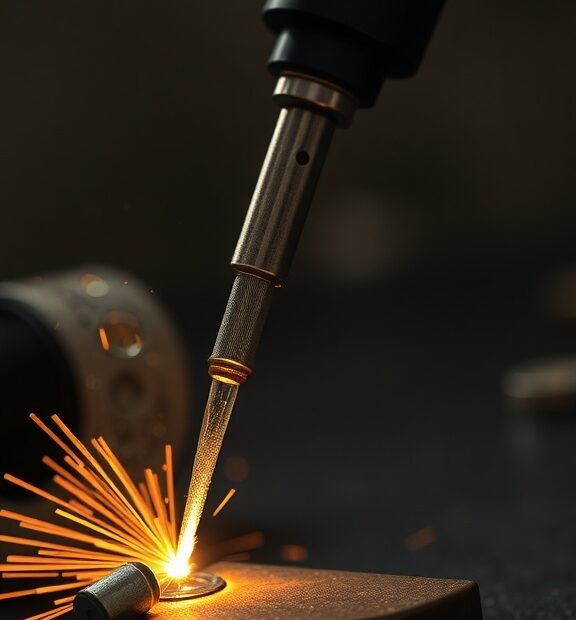
What to Look for in the Best Soldering Iron for Your Projects
Soldering is an essential skill for anyone working on electronics, DIY projects, or repairs. A good soldering iron can make a significant difference in your project’s outcome. To find the best soldering iron for your needs, consider the following factors.
Power Rating
The power rating of a soldering iron is measured in watts. A higher wattage typically offers faster heating and better temperature control. For most hobbyists, a soldering iron in the range of 30 to 60 watts is ideal. If you’re working with large components, you might need a higher wattage iron, around 80 watts or more. This will help you quickly heat up larger areas without damaging the components.
Temperature Control
Having the ability to adjust the temperature on your soldering iron is crucial. Different soldering tasks require varying heat levels. For example, delicate components may require lower temperatures, while heavier connections need more heat. Look for an iron with adjustable temperature settings, preferably one that ranges from 200°C to 480°C (392°F to 896°F). This flexibility ensures you can tackle multiple projects effectively.
Tip Variety
The type of tip on your soldering iron can significantly impact your soldering experience. Various tip shapes and sizes are available, including:
- Conical tips: Great for precision work and small components.
- Chisel tips: Ideal for larger areas and can help with heat transfer.
- Knife tips: Useful for soldering wires and connections efficiently.
- Flat tips: Suitable for spreading solder across larger surfaces.
Having interchangeable tips or a range of shapes will enhance your versatility, allowing you to choose the right tip for each project.
Build Quality
When investing in a soldering iron, consider its build quality. Look for models made of durable materials that can withstand regular use. The handle makes a big difference in comfort. Ensure it has an ergonomic design and good insulation to prevent heat transfer. A non-slip grip can also help you maintain control while soldering, which is especially important for intricate work.
Heating Element Type
Soldering irons come with different types of heating elements, which can affect performance. The two most common types are:
- Conventional heating: This uses a metal tip that heats up from a resistive coil. It tends to have a slower heat-up time but is simpler and less expensive.
- Temperature-controlled heating: This uses a built-in sensor to maintain the desired temperature instantly. It heats up faster and maintains consistent temperature, which is critical for quality soldering.
Selecting a soldering iron with temperature control can save you time and produce better results in your projects.
Corded vs. Cordless
Both corded and cordless soldering irons have their pros and cons. Corded soldering irons deliver constant power and heat, making them ideal for prolonged use. They are typically more powerful as well. In contrast, cordless models offer portability and convenience, allowing you to solder in places without power outlets. Depending on your projects, you may want to consider having both options available.
Brand Reputation and Warranty
Always choose a soldering iron from a reputable brand. Companies with a long-standing history of quality tools often provide better customer service and warranty support. A solid warranty can protect your investment and reassure you of the tool’s quality. Search for brands that are frequently recommended in forums and reviews for their reliability and performance.
By keeping these aspects in mind, you can make an informed decision and find the best soldering iron tailored to your needs. Whether you are repairing electronics, building projects from scratch, or simply enjoying a new hobby, having the right soldering iron can make all the difference in achieving professional results.
Comparing Different Types of Soldering Irons: Which is Right for You?
Soldering irons are essential tools for anyone involved in electronics, repairs, or DIY projects. With so many options available, it’s important to know which type of soldering iron is best for your specific needs. Each type has its unique features and benefits, making it crucial to understand how they differ.
When considering what is the best soldering iron for you, start by looking at the different types available:
Electric Soldering Irons
Electric soldering irons are the most popular choice among hobbyists and professionals alike. They use a heating element that heats the tip to a specific temperature, allowing for precise soldering work. Here are some key points about electric soldering irons:
- Temperature Control: Many electric soldering irons come with adjustable temperature settings, giving you flexibility depending on your project.
- Ease of Use: They are generally easy to operate, making them an excellent choice for beginners.
- Variety of Tips: You can purchase different tip sizes to accommodate various tasks, from fine detail work to larger connections.
If you’re working on projects that require steady heat application, an electric soldering iron may be your best choice. Look for models that provide quick heat-up times and reliable performance.
Soldering Stations
Soldering stations are more sophisticated setups that include a soldering iron and a control unit. They often have advanced features that make them suitable for professional use. Consider the following:
- Precision: Soldering stations offer precise temperature control, which is essential for sensitive electronics.
- Stability: Most stations come with a stand and sponge for cleaning the tip, ensuring a safe and organized workspace.
- Ergonomics: A good soldering station is designed to be comfortable during extended use.
These stations can be more costly but are worth the investment if you frequently work on intricate projects where precision is key.
Battery-Powered Soldering Irons
Battery-powered soldering irons provide convenience, as they can be used anywhere without needing an outlet. They are a great option for on-the-go projects. Here’s what to keep in mind:
- Portability: These soldering irons are lightweight and easy to carry, making them suitable for fieldwork.
- Heat Time: They may take longer to heat up compared to electric soldering irons, which can be a drawback in some situations.
- Limited Battery Life: Depending on the battery, you may find the usage time limited.
A battery-powered soldering iron is ideal if you need a tool that you can easily transport and use in various locations.
Butane Soldering Irons
Butane soldering irons use gas as fuel and can reach high temperatures quickly. They are often suitable for outdoor use or in situations where electricity is not available. Here are essential features:
- Fast Heating: Butane soldering irons can heat up in just a few seconds.
- Versatility: Aside from soldering, many models can be used for tasks like heating shrink tubing or melting plastics.
- Refillable: As long as you have butane, you can keep using your soldering iron without being tethered to a power source.
Choosing a butane soldering iron could be valuable for those who need flexibility and speed.
Choosing the Right Soldering Iron
Ultimately, the choice of the best soldering iron will depend on the specific tasks you undertake, your budget, and your level of experience. Here are a few tips to help you decide:
- Identify the types of projects you’ll be working on.
- Consider how often you plan to solder.
- Think about whether you need portability or high precision.
- Set a budget that fits your needs without compromising on quality.
Taking the time to evaluate your options will ensure that you select the soldering iron that is best suited to your needs. Investing in the right tool will ultimately enhance your efficiency and enjoyment, whether you’re a hobbyist or a professional.
Conclusion
Selecting the right soldering iron can significantly enhance your electronics projects, whether you’re a beginner or an experienced hobbyist. By understanding what to look for in the best soldering iron, such as wattage, tip size, and temperature control, you can make informed choices that suit your specific needs. Remember, an adjustable temperature will give you more flexibility for various tasks, while a comfortable grip will ensure you can work for extended periods without discomfort.
When comparing different types of soldering irons, consider how each option aligns with your projects. A basic soldering iron might be sufficient for simple circuit repairs, but a soldering station could provide the versatility and precision needed for intricate tasks like surface mount work. If portability is a priority, battery-operated models offer convenience, while plug-in versions often deliver more power and stability.
Ultimately, the best soldering iron for you hinges on your individual projects and preferences. Take the time to evaluate these factors and explore various products on the market. With the right soldering iron in hand, you can confidently embark on your soldering adventures, creating strong and lasting connections in your electronics. Whether you’re enhancing an old gadget or crafting something completely new, the right tool will make a world of difference in achieving professional results.