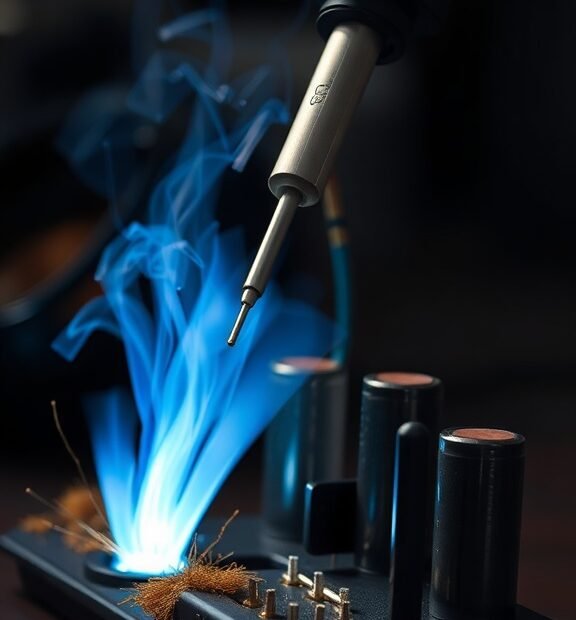
Understanding the Functionality and Types of Soldering Irons
Soldering irons are essential tools in electronics, crafting, and metalworking. They are used to join two or more electronic components together by melting solder, a fusible metal alloy. This tool provides a controllable heat source that allows you to create strong, conductive connections, making it fundamental for everything from repairing circuit boards to building intricate models.
The primary function of a soldering iron is to heat solder, which then flows into the joints of electrical components. When you apply the iron to a joint, it heats the surrounding metal, allowing the solder to melt and bond. Once removed, the solder cools and solidifies, forming a secure and stable electrical connection. Whether you’re an experienced technician or just starting, understanding how a soldering iron works can enhance your projects.
Types of Soldering Irons
There are various soldering irons available, each designed for specific tasks and user preferences. Here are the main types you might consider:
Soldering Iron Kits & Accessories
- Standard Soldering Irons: These are simple, plug-in devices that provide constant heat. They usually have a fixed tip and are ideal for general-purpose soldering tasks.
- Soldering Stations: These units often come with adjustable temperature control and a base for stability. A soldering station is great for tasks requiring precision and is favored by professionals.
- Battery-Powered Soldering Irons: These portable options are perfect for working in remote areas without power supply. They can be less powerful but offer great convenience.
- Hot Air Soldering Irons: Instead of a direct tip, they blow hot air to heat solder, making them suitable for surface-mounted devices and reworking circuit boards.
- Desoldering Irons: These tools are specifically designed to remove solder, often featuring a built-in vacuum to suck up melted solder after it’s heated.
Components of a Soldering Iron
Understanding the components of a soldering iron can help you make informed decisions about its use and maintenance:
- Heating Element: This part generates the heat necessary to melt solder. It can vary in performance, affecting how quickly you can complete your tasks.
- Soldering Tip: This is the part that actually heats solder. It comes in different shapes and sizes for varying applications, with finer tips useful for detailed work.
- Handle: The handle is designed for comfort and safe gripping. Ergonomic handles can reduce fatigue during long soldering sessions.
- Temperature Control: Some soldering irons feature adjustable temperature settings, allowing you to work with different types of solder and components without damage.
Choosing the Right Soldering Iron
When selecting a soldering iron, consider your specific projects and skill level. Here are some tips to help you choose:
Soldering Iron Kits & Accessories
- Project Requirements: For detailed electronics work, a soldering station with precise temperature control may be beneficial. For simple household repairs, a standard soldering iron may suffice.
- Tip Size: The size of the soldering tip can greatly affect your work. Fine tips are ideal for small, delicate connections, while larger tips are better for larger joints.
- Portability: If you need to solder in different locations, a battery-powered or portable soldering iron might be the best choice.
- Budget: There are soldering irons available at various price points. Assess your budget and pick a tool that meets your needs without overspending.
In handling any type of soldering iron, safety is paramount. Always use eye protection, work in a well-ventilated area, and be mindful of your surroundings to prevent accidents. Proper care of your soldering iron, such as cleaning tips and storing it safely, will extend its life and improve your work quality.
Understanding what a soldering iron is and the different types available can significantly enhance your soldering experience. Whether you are a hobbyist or a professional, selecting the right tool will enable you to execute your projects effectively. Take the time to explore your options and appreciate the versatility that soldering irons have to offer.
Essential Safety Tips for Using a Soldering Iron
Using a soldering iron can be an incredibly rewarding experience, but it is crucial to remember that safety should always come first. A soldering iron heats up to very high temperatures, making it essential to handle it with care. With some straightforward safety tips, you can protect yourself and ensure a successful project.
Soldering Iron Kits & Accessories
Understanding the Basics of Soldering Iron Safety
A soldering iron is typically used to join two or more electronic components together. While the tool is quite effective, improper handling can lead to accidents. Familiarizing yourself with some basic safety measures can prevent injuries. Here are essential tips to keep in mind:
1. Wear Protective Gear
Before you start soldering, make sure to wear protective gear. This includes:
Soldering Iron Kits & Accessories
- Safety glasses: Protect your eyes from any solder splashes or fumes.
- Heat-resistant gloves: These will shield your hands from the heat of the soldering iron.
- Long sleeves: Wearing long sleeves reduces the risk of burns.
2. Work in a Well-Ventilated Area
Fumes from solder can be harmful if inhaled. Always work in a well-ventilated space or use a fume extractor if possible. Good airflow helps in dispersing any harmful vapors that may arise during the soldering process.
3. Keep a Clean Workspace
Maintain a tidy workspace. Clutter can be dangerous as it may lead to accidents. Here’s how to keep your area organized:
Soldering Iron Kits & Accessories
- Clear away any unnecessary tools and materials.
- Have a designated area for your soldering iron where it is safe and easily accessible.
- Use a soldering mat to protect your work surface from heat damage.
4. Understand the Tools You Are Using
Before beginning, familiarize yourself with your soldering iron and other tools. Read the manufacturer’s instructions carefully. This knowledge ensures you’re aware of how to operate each component safely and effectively.
5. Ensure Proper Iron Handling
Knowing how to handle your soldering iron reduces risks significantly. Here are some handling tips:
Soldering Iron Kits & Accessories
- Always hold the soldering iron by its insulated handle.
- When not in use, place the iron in a stand, never lay it down on your workspace.
- Be mindful of where the tip of the soldering iron is at all times to avoid touching surfaces unintentionally.
6. Mind the Power Source
Always check the cord and plug for damage before use. A frayed cord can lead to electric shock. Ensure your soldering iron is plugged into a properly grounded outlet to minimize risks. Never use your soldering iron near water or damp areas to prevent electrical hazards.
7. Know How to Extinguish Burns
Accidents happen, and burns can occur despite all precautions. If you experience a burn, follow these steps:
Soldering Iron Kits & Accessories
- Immediately cool the burn with cold running water for at least 10 minutes.
- Do not apply ice directly to the burn, as it can cause further damage.
- Cover the burn with a sterile, non-stick bandage once it cools.
8. Practice Safe Soldering Techniques
Engaging in safe soldering techniques can prevent accidents. Keep the following in mind while you’re soldering:
- Use the correct solder for your project to avoid potential side effects from improper materials.
- Do not solder for extended periods without breaks to reduce fatigue and maintain focus.
- Practice good soldering techniques like cooling solder before moving components.
Applying these essential safety tips while using a soldering iron can significantly enhance your experience. Staying aware and prepared ensures that you not only create amazing projects but also do so safely. Always remember that your safety is more important than the task at hand. By following these simple guidelines, you create a secure environment for your soldering endeavors.
Conclusion
Bringing together the different aspects of soldering irons, it’s clear that they are invaluable tools for both hobbyists and professionals. Understanding the functionality of various types of soldering irons allows you to select the right one for your project. Whether you need a basic model for simple electronics or a more advanced option for intricate work, your choice will significantly impact the quality of your results.
Soldering Iron Kits & Accessories
Equally important is prioritizing safety when using a soldering iron. Familiarizing yourself with essential safety tips—like wearing protective eyewear, using a heat-resistant surface, and ensuring proper ventilation—can prevent accidents and injuries. By following these guidelines, you can focus on your project without the worry of mishaps.
Thinking about your next project? Remember that mastering the use of a soldering iron can open up a world of creative possibilities. From repairing electronics to crafting unique items, the applications are vast. Equip yourself with the right tools, stay safe, and dive into this rewarding and productive hobby. With a solid understanding of the functionality and safety protocols, you can tackle your soldering tasks with confidence and ease. Don’t hesitate to experiment and improve your skills along the way; the more you practice, the better you’ll become. Happy soldering!