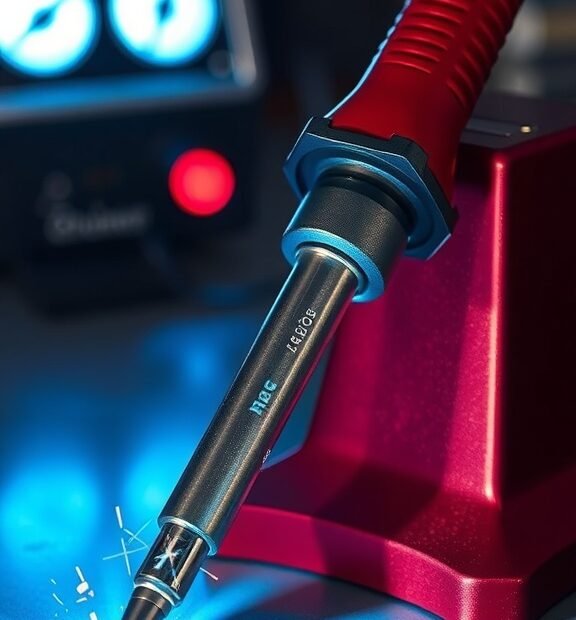
Determining the Ideal Wattage for Soldering Irons Based on Your Projects
When it comes to soldering, the wattage of your soldering iron can significantly impact your project’s success. Choosing the right wattage helps ensure you achieve optimal results without damaging your components. Soldering requires precise heat control, so understanding your projects and their requirements is crucial in determining the ideal wattage.
Low wattage soldering irons, typically around 15 to 25 watts, are best suited for small, delicate tasks. If you find yourself working with tiny electronic components like microcontrollers or circuit boards, this range is ideal. The lower wattage prevents excess heat from damaging the sensitive parts you’re soldering. With low wattage, you’ll also have more control over the temperature, making it easier to work with finer solder joints.
For general-purpose soldering, a medium wattage iron in the range of 25 to 60 watts is a solid choice. This wattage is versatile enough to handle most tasks, including hobbyist projects and simple electronic repairs. A soldering iron in this category heats up quickly and provides enough power to work on larger connections without overheating your components. Whether it’s soldering wires or making connections on a circuit board, a medium wattage soldering iron can meet your needs well.
Soldering Stations | Easy 60 Day Return
On the higher end, soldering irons from 60 to 100 watts cater to more demanding tasks. This category is perfect for heavy-duty applications where you need to join large components, such as batteries or power connectors. The increased wattage allows for faster heat-up times and more efficient heat transfer. However, caution is essential here; using too much wattage on delicate parts can lead to overheating and damage. It’s wise to pair high wattage tools with the right soldering tips designed for larger jobs.
One essential factor to consider is the type of solder you are using. For lead-free solder, a higher temperature is often required. This is where understanding wattage becomes vital. Higher wattage soldering irons provide the necessary heat to work with lead-free options efficiently, ensuring a secure joint every time.
Soldering Stations | Easy 60 Day Return
- 15-25 Watts: Ideal for delicate electronic components, such as microcontrollers.
- 25-60 Watts: Great for general projects, like hobby electronics and small repairs.
- 60-100 Watts: Perfect for heavy-duty tasks, such as large connectors and battery soldering.
Another consideration is the tip size. A finer tip is best for low wattage soldering, allowing for precision. Conversely, larger tips work well with higher wattage soldering irons, helping distribute heat effectively when soldering larger components. Choosing the right tip in combination with the soldering iron’s wattage is crucial for achieving the best results in your work.
Temperature control is another factor linked to wattage. Some soldering irons come with adjustable temperature settings, which can be particularly helpful. It allows you to set the heat according to the specifics of your project. If you often switch between delicate electronics and larger components, a soldering iron that offers variable wattage might be your best bet. This way, you have the flexibility to adjust the wattage according to your needs, ensuring both precision in delicate tasks and efficiency in heavier jobs.
Soldering Stations | Easy 60 Day Return
Determining the ideal wattage for your soldering iron largely depends on the projects you’ll be working on. Consider the size and sensitivity of the components you’ll be soldering, the type of solder you are using, and the tip size. Starting with a medium wattage soldering iron is a sensible option for beginners. As your skills and project complexity grow, you might explore higher wattage tools to accommodate your expanding needs.
Always prioritize safety while handling soldering equipment. Ensure you are working in a well-ventilated space, and keep your soldering iron’s wattage in check to prevent accidents. Remember that the right tools enhance your experience and output, paving the way for successful soldering projects.
Comparing Different Soldering Iron Wattages for Various Applications
Soldering is a vital skill for many DIY enthusiasts, hobbyists, and professionals alike. When it comes to soldering irons, understanding wattage is crucial for success. The wattage of a soldering iron affects its heat output and performance, making it essential to choose the right one for your specific needs. Let’s explore how different wattages can affect your soldering tasks.
Soldering Stations | Easy 60 Day Return
Low Wattage Soldering Irons (15-30 Watts)
Low wattage soldering irons are typically in the range of 15 to 30 watts. These tools are ideal for delicate electronics and small components. If you are working on miniature circuits or precision tasks, a low wattage soldering iron could be your best bet. Here are some common applications:
- Jewelry Making: Great for soft metals and detailed designs.
- Model Building: Ideal for hobbyists working on small models.
- Repairing Small Electronics: Safe for fixing tiny circuit boards without damaging components.
Low wattage soldering irons heat up gradually, which can help prevent overheating delicate components. However, they may struggle with thicker, more robust materials.
Soldering Stations | Easy 60 Day Return
Medium Wattage Soldering Irons (30-60 Watts)
Medium wattage soldering irons, usually between 30 and 60 watts, offer a good balance between power and control. These soldering irons can handle a range of applications, making them versatile tools for both beginners and experienced users. Common uses include:
- General Electronics: Perfect for assembling and repairing a variety of devices.
- Electrical Work: Suitable for connecting wires or creating solder joints.
- Craft Projects: Ideal for DIY crafts that involve electronics or wiring.
The advantage of using a medium wattage soldering iron is that it provides the heat needed for larger components while still being gentle enough for smaller tasks.
Soldering Stations | Easy 60 Day Return
High Wattage Soldering Irons (60-100 Watts)
If you’re working with heavy-duty materials, high wattage soldering irons (60 to 100 watts and beyond) are the right choice. These tools heat up quickly and maintain temperature better when soldering larger components. Here are some typical applications:
- Heavy Electrical Work: Necessary for soldering thick wires and larger connectors.
- Metal Fabrication: Useful in joining metals where heat is essential.
- Soldering Large Circuit Boards: Great for industrial electronics that require strong connections.
High wattage soldering irons can be overkill for small projects. They may also require practice to prevent overheating or burning the components.
Soldering Stations | Easy 60 Day Return
Choosing the Right Wattage for Your Needs
When selecting a soldering iron, consider the following factors:
- Type of Project: Determine whether you’re working on delicate electronics, general repairs, or heavy-duty tasks.
- Material: The thickness and type of material can dictate the wattage you need.
- Skill Level: For beginners, starting with a medium wattage can provide the best balance.
Choosing the right wattage can significantly influence the quality of your soldering work. It ensures that you have enough heat to effectively bond components without risking damage.
Soldering Stations | Easy 60 Day Return
Key Takeaways
Understanding the wattage of soldering irons is fundamental for achieving successful soldering results. Whether you require a low wattage for precise tasks or a high wattage for robust applications, knowing your project’s needs is key. By carefully selecting the appropriate soldering iron, you can enhance your craftsmanship and ensure durable, effective solder joints.
Remember to always consider the specifications and requirements of the job at hand. By doing so, you empower yourself with the ability to tackle a variety of projects with confidence.
Conclusion
Choosing the right wattage for your soldering iron is essential for achieving the best results in your projects. Understanding how different wattages affect various applications can help you select the perfect tool for your needs. For delicate electronics work, a lower wattage, around 15 to 25 watts, allows for precision without damaging sensitive components. Conversely, tasks involving thicker materials or larger connections may require higher wattages of 30 to 60 watts, enabling quicker heats and more efficient soldering.
Soldering Stations | Easy 60 Day Return
By comparing the wattages of various soldering irons, you’ll notice that versatility plays a key role. Soldering irons that offer adjustable wattage settings provide flexibility, making them suitable for a range of applications—from hobby projects to professional circuit assembly. It’s important to consider the materials you’re working with and the intricacies of the job at hand. A well-chosen soldering iron will not only save time but also enhance the quality of your work.
Ultimately, your choice should align with both the specific requirements of your project and your skill level. Whether you’re a beginner or an experienced technician, investing some time in understanding how to select the right wattage will lead to more successful soldering experiences. Armed with the right information, you can confidently tackle any soldering task, ensuring strong, reliable connections in your electronics projects.