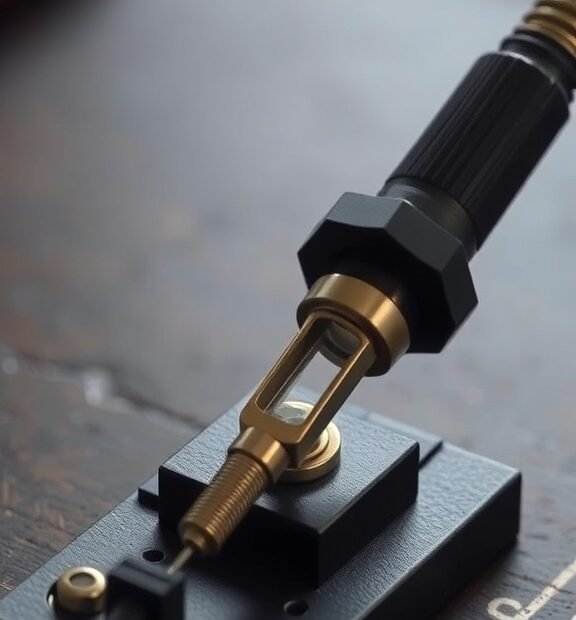
Choosing the Right Features for a Good Soldering Iron
Selecting a good soldering iron can be a game-changer for your electronic projects or repairs. With a plethora of options available, knowing the right features to look for can help you make an informed decision. Here’s what you should consider while choosing a soldering iron that suits your needs.
Power Rating
The power of a soldering iron is usually measured in watts. For most basic electronics, a soldering iron with a power rating of 20 to 60 watts is adequate. A higher wattage means faster heat-up times, which is crucial for soldering larger components. If you plan on working on intricate jobs that require fine details, a lower wattage model may suffice, allowing for more control.
Temperature Control
One of the most important features of a good soldering iron is temperature control. Irons with adjustable temperature settings allow you to modify the heat based on the type of solder and materials you’re working with. Here are key points to remember:
- Fixed Temperature: Good for beginners, but limits versatility.
- Variable Temperature: Best for experienced users handling various projects.
- Digital Display: Provides accuracy in setting and monitoring the temperature.
Tip Design and Material
The tip of the soldering iron can greatly affect your work. Different designs are intended for different tasks. Here are common tip types and their uses:
- Conical: Ideal for precision work and soldering small components.
- Chisel: Excellent for larger areas and more heat transfer.
- Knife: Best for soldering wires and heavy-duty tasks.
Additionally, the material of the tip plays a significant role in durability and heat retention. Copper tips are popular due to their excellent heat conductivity but are prone to oxidation. Tips coated with other materials, like iron, benefit from longer lifespans and better performance.
Heat-Up Time
Consider how quickly your soldering iron reaches the desired temperature. Some models can heat up in as little as 30 seconds, while others might take a few minutes. Fast heat-up times are beneficial, especially when you’re working on multiple tasks or need to solder frequently. Always check reviews for the heat-up efficiency of any iron you consider.
Ergonomics and Design
When you work on projects for extended periods, comfort is essential. Look for features that enhance usability:
- Handle Grip: A rubberized grip can help prevent slipping.
- Weight: A lightweight model allows for better maneuverability.
- Cord Length: Ensure that the cord is long enough to reach your work area without restriction.
Safety Features
Safety should never be overlooked during soldering. A good soldering iron includes features that minimize risks:
- Auto Shut-off: Automatically turns off the iron when not in use for a certain period.
- Stand with a Safety Sponge: Keeps the hot tip off surfaces when not in use.
- Heat-Resistant Materials: Ensures the iron doesn’t scorch surfaces in case of accidents.
Cost and Brand Reputation
Keep your budget in mind, but remember that investing in a reliable brand pays off in the long run. Cheaper models may save you money upfront but could lead to frustration or safety risks in the future. Do thorough research on brands known for quality, such as Weller, Hakko, or JBC. Explore customer reviews, ratings, and feedback to make a well-informed decision.
Recognizing the essential features of a soldering iron can greatly enhance your soldering experience. From power ratings to safety features, understanding these aspects will lead you to a product that meets your needs effectively. Investing time in choosing the right equipment will save you a lot of headaches down the line and ensure your projects go smoothly.
Common Mistakes to Avoid When Using a Soldering Iron
When working with a soldering iron, there are several common mistakes that both beginners and experienced users can make. Avoiding these pitfalls can lead to better results and longer-lasting components. Here are some key missteps to watch out for.
Using the Wrong Temperature
One of the most critical aspects of soldering is maintaining the right temperature. Using a soldering iron that is either too hot or too cold can result in poor solder joints. If it’s too hot, you risk damaging sensitive electronic components. Conversely, a low temperature may not melt the solder properly, leading to weak connections. A good soldering iron should allow you to adjust the temperature according to the project requirements.
Neglecting to Clean the Tip
A dirty soldering iron tip can cause various issues, including difficulty in melting solder and the risk of oxidation on the tip. This can lead to unreliable solder joints. You should clean the tip regularly using a damp sponge or a brass sponge. This ensures optimal heat transfer and improves the quality of your work.
Not Preparing the Surface
Before you start soldering, it’s essential to prepare the surfaces you’ll be joining. This means cleaning them thoroughly to remove any dirt or residue. Failing to prepare surfaces can lead to poor adhesion of solder, making for weak connections. Use a cleaning agent or a fine abrasive paper if necessary to ensure those surfaces are free of contaminants.
Using Too Much Solder
It is easy to think that more solder equals a stronger connection, but that’s not the case. Using too much solder can create bridges between pads or leads, leading to short circuits. Instead, aim for just the right amount – a small blob that fully covers the joint but doesn’t overflow onto other areas. Practice will help you find the perfect amount for your projects.
Ignoring Safety Precautions
Being careful and safe when using a soldering iron is crucial. Soldering involves high temperatures and sometimes toxic materials. Always wear eye protection to guard against any solder splashes and work in a well-ventilated area to avoid inhaling fumes. You should also have a fire extinguisher nearby, just in case, and use a safe soldering mat to protect your work surface.
Inconsistent Pressure
Applying inconsistent pressure on the solder joint can lead to poor connections. If you press too hard, you risk damaging components or pads. If you don’t apply enough pressure, you may not achieve a proper bond. Practice finding the appropriate pressure and keep it consistent as you work.
Rushing the Process
It’s tempting to hurry through a soldering project, especially when excited about the outcome. However, rushing can lead to mistakes like cold solder joints or incorrect placements. Take your time and double-check each connection to ensure everything is properly aligned.
Forgetting the Flux
Using flux is crucial when soldering, as it helps in promoting better flow and adhesion of solder. Neglecting to use flux can lead to poorly formed joints and increased chances of oxidation. Many solder wires come with flux core, but in cases where it does not, or if you need extra assistance, applying flux separately can make a significant difference.
Being Unfamiliar with Solder Types
There are various types of solder, such as leaded and lead-free, each differing in properties and uses. Using the wrong type of solder for your project can lead to poor results. Be sure to select a solder that meets the specifications of your work, keeping in mind factors like melting point and strength. Understanding the differences will enhance your soldering quality tremendously.
By keeping these common mistakes in mind and taking steps to avoid them, you can improve your soldering skills and the quality of your work. Soldering is an art that takes practice and patience, but the results are worth it when you see your projects come together successfully.
Conclusion
Finding a good soldering iron involves understanding your needs and the essential features that will enhance your soldering experience. A quality soldering iron should have adjustable temperature settings, good heat recovery, and a variety of tip sizes to accommodate different tasks. Consider what you’ll be using it for and choose a model that best fits those requirements.
Avoiding common mistakes is equally important. Many beginners make the error of using too much solder or not cleaning the tip regularly. These mistakes can lead to poor connections or damage to components. Proper technique will not only improve your soldering but also extend the lifespan of your equipment.
By making informed choices about features and being mindful of common pitfalls, you’ll increase your chances of achieving perfect joints every time you solder. Whether you’re a hobbyist or a professional, investing in the right soldering iron and mastering its use will take your projects to the next level. Remember, practice makes perfect. As you work on your skills, you’ll become more confident and efficient, ultimately leading to better results in your electronic endeavors. Aim for quality tools and techniques, and your soldering projects will flourish.