The Role of a Soldering Iron in Electronics: Understanding Its Uses and Importance
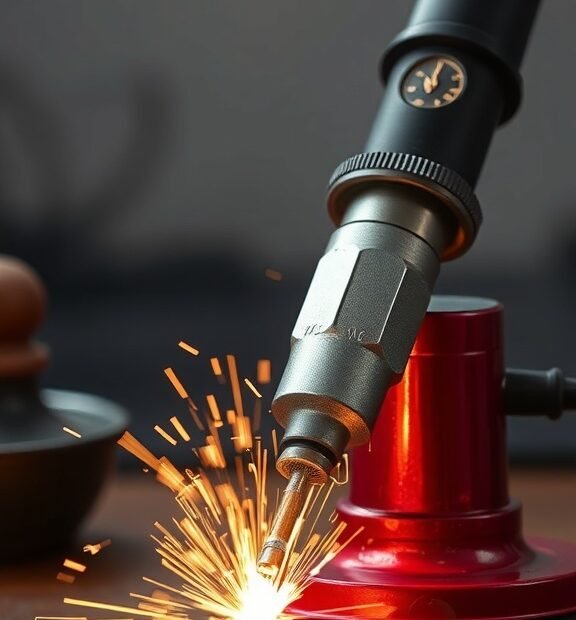
The soldering iron is a vital tool in the electronics world, serving multiple functions that are fundamental to both hobbyists and professionals. Its primary role is to join electronic components together by melting solder, a fusible metal alloy. When this process is done correctly, it creates a strong, conductive connection between parts like wires, circuit boards, and other components. Understanding how a soldering iron works, its uses, and why it is important can help you appreciate its significance in various electronic projects.
Soldering irons come in various types, each serving specific needs. The commonly used types include:
- Standard Soldering Iron: Primarily used for general-purpose soldering tasks.
- Soldering Station: A more sophisticated option that allows for temperature control and better precision.
- Heat Gun: Used for surface-mount soldering and reworking components.
- Desoldering Iron: Designed specifically for removing solder from connections.
The way a soldering iron works is straightforward but requires care and precision. It typically consists of a heated metal tip that reaches high temperatures, allowing it to melt solder. This melting process makes it easier to apply solder to the joints of components. When the solder cools down, it solidifies, forming a strong and conductive joint between the electronic items.
For effective soldering, following steps can enhance your experience:
- Preparation: Ensure that the components and the PCB (Printed Circuit Board) are clean. Any dirt or oxidation can prevent a proper bond.
- Heating the Iron: Allow the soldering iron to reach the desired temperature. Most soldering tasks require a temperature between 350°C – 400°C (662°F – 752°F).
- Applying Solder: Feed solder into the joint once the metal components reach the right temperature. Ensure that the solder flows easily to create an even connection.
- Cooling: Give the solder a moment to cool down before moving the components. This ensures a solid bond.
Using a soldering iron correctly is not just about joining components; it’s about ensuring longevity and reliability in electronics. A well-soldered joint minimizes the chance of electrical failures, which can be critical in various applications, from simple household items to complex machinery.
The importance of using high-quality soldering iron cannot be overstated. A low-quality tool can lead to poor soldering results, making it difficult to achieve a strong connection. Investing in a good soldering iron can save time and enhance the quality of your electronic projects. Many professionals recommend soldering stations over basic soldering irons due to their precision control and features, allowing for better handling of different tasks.
Safety is also a significant aspect when using a soldering iron. It operates at high temperatures, which can cause burns. To ensure safety:
- Use a Stand: Always place the hot soldering iron in a designated stand when not in use.
- Protective Gear: Wearing safety glasses can shield your eyes from any solder splatter.
- Ventilation: Always perform soldering in a well-ventilated area to avoid inhaling fumes.
Beyond traditional electronics, soldering irons have applications in various fields. They are commonly used in:
- Repairing Devices: Whether it’s fixing a broken phone or a dead PCB, soldering irons help restore function.
- Model Making: Hobbyists use soldering irons to create intricate designs and models, making it a creative tool.
- Arts and Crafts: Crafting projects often involve soldering for metalwork.
A soldering iron plays a crucial role in electronics by making reliable connections that keep devices functioning effectively. Being knowledgeable about its use ensures better results, whether you are a beginner or an experienced professional. Ultimately, understanding the importance and proper technique in soldering can elevate your skills in the vast world of electronics.
Essential Safety Tips for Using a Soldering Iron Effectively
When using a soldering iron, it’s crucial to prioritize your safety while also ensuring that your soldering projects are effective. A soldering iron is a powerful tool commonly used in electronics, jewelry making, and crafting. However, improper use can lead to serious injuries or equipment damage. Here are essential safety tips for using a soldering iron effectively.
Choose the Right Space
Your working environment plays a significant role in your safety. Ensure you have a clean, well-lit, and organized workspace. This minimizes distractions and prevents accidental spills or falls. Keep your workspace free from flammable materials. Items like paper, cloth, or plastic should be stored safely away from your soldering station.
Prepare Your Equipment
Before you start soldering, it’s essential to check your tools and materials. A good soldering iron should have the following:
- A working power cord without any frays or damage
- A proper temperature control setting
- Clean soldering tips free from oxidation
Using a damaged or unsuitable soldering iron not only adversely affects your projects but also poses safety risks.
Wear Appropriate Personal Protective Equipment (PPE)
Always wear proper PPE while soldering. This includes:
- Safety glasses to protect your eyes from solder splashes
- A heat-resistant apron to shield your clothes and skin
- Anti-static wrist straps if working with sensitive electronic components
Taking these precautions will help prevent injuries from hot materials or accidental shocks.
Handle the Soldering Iron with Care
When using the soldering iron, always hold it by the handle. The tip can reach extremely high temperatures and should never touch your skin or any other surfaces. When you set the iron down, ensure you place it in a designated soldering stand or holder. This is critical for avoiding burns and protecting both the tool and your workspace.
Work with Safe Materials
Not all soldering materials are created equal. Always opt for lead-free solder whenever possible, as lead can be toxic. If your project requires lead-based solder, make sure to use it in well-ventilated areas and wash your hands thoroughly after use. Additionally, familiarize yourself with the safety data sheets of any chemicals or components you plan to work with to understand the associated hazards.
Maintain Eyes on the Project
Focus is crucial when using a soldering iron. Never leave it unattended while it’s powered on. This can lead to accidental injuries or cause fires. If you need to leave your workspace, unplug the iron to ensure it cannot pose a danger. Always keep your workspace uncluttered and organized to maintain focus on the task at hand.
Practice Good Soldering Techniques
Effective soldering involves more than simply heating and melting materials. Here are some tips:
- Always heat the materials you want to solder first, rather than applying solder directly to the tip of the iron.
- Let the solder flow into the joint naturally to create a solid connection.
- Practice on scraps before tackling your primary project. This helps improve your technique and boosts confidence.
By practicing good soldering techniques, you can minimize mistakes and prevent accidents.
Be Prepared for Accidents
Despite your best efforts, accidents can happen. Keep a small first aid kit nearby in case of minor burns or injuries. Knowledge of basic first aid can be invaluable. If you sustain a burn, run cold water over it and cover it with a clean cloth. For more severe injuries, seek immediate medical attention.
By following these essential safety tips, you can ensure a safer and more effective experience with your soldering iron. Whether you are a beginner or a seasoned pro, safety should always be at the forefront of your mind during any soldering project. Proper preparation, focused techniques, and the right PPE can make a significant difference in your soldering journey.
Conclusion
A soldering iron is a fundamental tool in the world of electronics, playing a crucial role in assembling and repairing various devices. Its ability to join electronic components through the melting and solidifying of solder makes it indispensable for hobbyists, technicians, and engineers alike. Understanding the uses and importance of a soldering iron empowers you to take on diverse projects, from crafting your own gadgets to troubleshooting household electronics.
However, while utilizing a soldering iron can be rewarding, it’s essential to prioritize safety. Electing to follow essential safety tips ensures that your experience is not only productive but also secure. Always work in a well-ventilated area to avoid inhaling fumes, and keep your workspace clean and organized to prevent accidents. Remember to handle the iron with care, as it reaches high temperatures that can cause severe burns. Additionally, wearing protective eyewear and using anti-static mats can safeguard against unforeseen incidents, allowing you to focus on your work.
By combining a solid understanding of the soldering iron’s purpose with a commitment to safety, you set yourself up for success in your electronic endeavors. As you gain confidence in your skills, you’ll discover the satisfying joy of creating and repairing technology with your own hands. Embrace the journey of learning, utilize your soldering iron responsibly, and enjoy the exciting world of electronics that lies ahead!