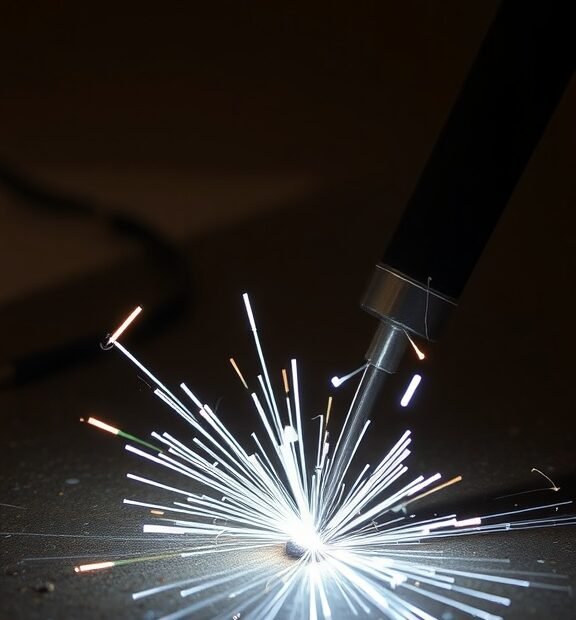
Practical Applications of a Soldering Iron in DIY Projects
If you’re diving into the world of DIY projects, a soldering iron can be your best friend. This handy tool isn’t just for electronics; it opens up a range of possibilities for various applications. Understanding what you can do with a soldering iron will elevate your crafting skills and help you tackle projects with confidence. Let’s explore the practical uses of a soldering iron in DIY ventures.
To start, a soldering iron is essential for electronic projects. If you’re into building your own gadgets or repairing electronics, mastering soldering is a must. Here are a few tasks where a soldering iron shines:
- Connecting Wires: Whether you are building a custom circuit board or fixing a broken wire, a soldering iron ensures a strong and reliable connection.
- Repairing Circuit Boards: Often, circuit boards can suffer from damaged components. With soldering, you can replace faulty parts, making your devices functional again.
- Assembling Kits: Many DIY electronics kits require soldering. If you enjoy that challenge, using a soldering iron will help you assemble your projects quickly and accurately.
- Modding Devices: Want to customize a gadget? Use a soldering iron to add or remove components, tailoring your device to suit your needs.
Beyond electronics, a soldering iron can also serve you in non-electrical DIY projects. For instance, it’s ideal for arts and crafts. Here are some creative applications:
- Metalwork: When you need to join metal pieces, a soldering iron can melt solder to create a strong bond. This can be particularly useful in jewelry making or creating intricate metal sculptures.
- Woodburning: With the right tip attachment, you can transform your soldering iron into a pyrography tool. This allows you to create artistic patterns or designs on wooden surfaces.
- Plastic Welding: A soldering iron can bond certain types of plastics. If you have broken plastic items, using your soldering iron can help fuse the broken pieces back together.
For those who love upcycling, a soldering iron can assist in unique ways. It can be used to:
- Repair Broken Toys: Soldering can fix plastic toys or electronic components, giving them a new lease on life.
- Combine Old Electronics: If you have several non-working gadgets, you can salvage parts and create something new using a soldering iron.
In addition to these creative uses, it’s important to understand some basic techniques to maximize your soldering skills. Selecting the right solder and maintaining your soldering iron can lead to better results. Here’s what to keep in mind:
- Solder Types: Lead-based solder is easier to work with, but lead-free options are safer for the environment. Choose wisely based on your project needs.
- Temperature Control: Ensure you set your soldering iron to the correct temperature for the materials you are working with. Too hot might damage components, and too cold can lead to poor connections.
- Tip Care: Keep your soldering iron tip clean and well-tinned. A dirty tip can transfer unwanted substances to your projects, reducing efficiency.
- Safety First: Always work in a well-ventilated space and avoid direct contact with the hot tip to prevent burns.
With these tips and techniques in hand, you can embark on a variety of projects with your soldering iron. Its versatility allows you to explore beyond just electronics, making it a valuable tool in your DIY toolkit. You’ll discover that whether you are repairing, creating, or innovating, using a soldering iron opens doors to countless possibilities. So, roll up your sleeves, gather your materials, and start bringing your ideas to life!
Essential Tips for Beginners Using a Soldering Iron
If you’re venturing into the world of electronics and DIY projects, mastering the use of a soldering iron is a fundamental skill. It’s essential for joining wires, creating circuits, and making repairs. Here are some essential tips that will pave your way to becoming a confident soldering enthusiast.
Understanding Your Soldering Iron
Before you even plug in your soldering iron, it’s crucial to know how it works. A soldering iron heats up to melt solder that connects electronic components. There are various types of soldering irons available, such as:
- Standard soldering irons
- Temperature-controlled models
- Soldering stations
For beginners, a simple soldering iron with adjustable temperature is a good start, as it allows you to work with different materials effectively.
Safety First
Safety should always be a priority when using a soldering iron. Here are some essential safety tips:
- Always wear safety goggles to protect your eyes from solder splashes.
- Use a soldering iron stand to prevent accidental burns.
- Work in a well-ventilated area to avoid inhaling fumes.
- Keep a damp sponge nearby to clean the tip of the iron.
By following these safety measures, you can minimize risks and focus on creating without worry.
Getting the Right Solder
The type of solder you use can significantly affect your soldering experience. For electronic projects, opt for:
- 60/40 tin-lead solder for traditional electronics
- Lead-free solder, which is more environmentally friendly
Select a solder that matches your project needs, and ensure it’s the right diameter, typically between 0.8mm to 1.2mm for electronics.
Prepare Your Work Area
Creating a clean and organized work area is essential for successful soldering. Start by gathering all necessary tools like:
- Soldering iron
- Solder
- Soldering iron stand
- Wire cutters
- Helping hand tools or clamps for stability
Ensure there’s ample lighting to see your work clearly. A clutter-free space allows you to focus better and work efficiently.
Learn the Basics of Soldering
Start by learning the basic techniques. Here are some steps to help you get started:
- Heat the soldering iron, then clean the tip with a damp sponge.
- Hold the wire or component in place using clamps or your fingers.
- Touch the soldering iron tip to the joint and apply solder, allowing it to flow into the joint.
- Remove the solder and then the iron. Let the joint cool without moving it.
Practice these steps until you’re comfortable, and then gradually increase the complexity of your projects.
Proper Tip Maintenance
The tip of your soldering iron is vital for effective soldering. A clean tip ensures better heat transfer. Here’s how to maintain it:
- Regularly clean the tip with a damp sponge during use.
- When done, tin the tip by melting a small amount of solder on it to prevent oxidation.
By keeping your soldering tip in good shape, you’ll improve the quality of your work and extend the life of your tool.
Practice Makes Perfect
Don’t shy away from practice. The more you use a soldering iron, the better you’ll become. Start with simple projects, like:
- Connecting wires
- Building basic circuits
- Repairing broken electronics
As you gain confidence, try more complex tasks to hone your skills further.
Seek Feedback and Learn
Joining online forums or local groups can help you find tips and support from fellow hobbyists. Don’t hesitate to ask for feedback on your work. Constructive critiques can guide you toward improvement and inspire new project ideas.
With these essential tips in mind, you’re well on your way to mastering the art of soldering. Remember to prioritize safety and practice regularly, and you’ll find that using a soldering iron can be an enjoyable and rewarding experience!
Conclusion
A soldering iron is an invaluable tool for anyone interested in DIY projects. Its practical applications range from creating intricate electronics to simple repairs around your home. Whether you’re connecting wires, repairing circuit boards, or building your own gadgets, a soldering iron enables you to take your creativity to the next level. With this tool, the possibilities are nearly endless, allowing you to turn your ideas into reality.
For beginners, mastering the use of a soldering iron is key to ensuring successful projects. By following essential tips like practicing on scrap materials, choosing the right solder, and maintaining a steady hand, you can enhance your skills in no time. Remember to keep safety in mind by working in a well-ventilated area and using protective gear as needed. Taking these precautions will make your soldering experience safer and more enjoyable.
As you gain confidence and skill with your soldering iron, you’ll find that you can tackle increasingly complex projects. This sense of achievement not only builds your capabilities but also encourages you to explore new areas of interest. So, whether you’re a hobbyist or just someone looking to make repairs, investing time in learning how to use a soldering iron can lead to numerous opportunities. With patience and practice, you can become proficient and unlock a world of creative possibilities. The journey starts now; pick up your soldering iron and let your imagination run wild!