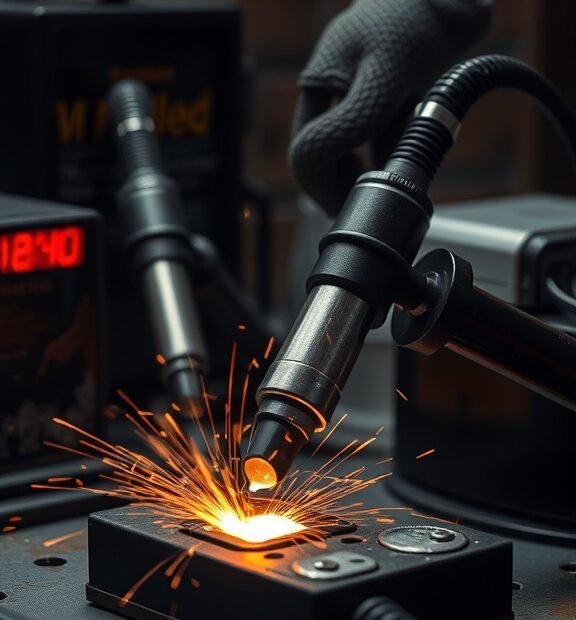
The Versatile Uses of Soldering Irons in Electronics and Craft Projects
Soldering irons are essential tools in various fields, particularly in electronics and craft projects. If you’re curious about what soldering irons are used for, you’re in luck. This versatile tool can help you with a variety of tasks, making it a valuable addition to your toolkit.
Understanding Soldering Irons
A soldering iron is an electrical device that uses heat to melt solder, a metal alloy that bonds two or more electronic components together. With a typical temperature range between 200°C to 450°C (392°F to 842°F), these tools come in various wattages, which often determines their heating effectiveness and suitability for different tasks.
Common Applications in Electronics
Soldering irons play a crucial role in numerous electronic applications. Here are some typical uses:
Soldering Stations | Easy 60 Day Return
- Assembling Circuits: Whether you are a hobbyist or a professional, soldering irons are indispensable for assembling printed circuit boards (PCBs). By soldering components onto the board, you create functional electronic devices.
- Repairing Electronics: If you have broken gadgets at home, a soldering iron can help you breathe new life into them. You can fix loose connections or replace faulty components, restoring your electronic devices to working order.
- Creating DIY Projects: For enthusiasts into electronics, soldering irons are fantastic for creating personalized devices. From simple alarms to complex robots, you can design and build your unique projects.
- Modifying Equipment: Soldering is often needed when upgrading or modifying electronic equipment. Whether it’s adding new features or improving performance, a soldering iron makes the process seamless.
Crafters and Artists Who Use Soldering Irons
The versatility of soldering irons extends beyond electronics, making them valuable tools for various craft projects:
- Jewelry Making: Many artists use soldering irons for creating metal jewelry. By soldering metal components together, you can construct beautiful and unique pieces that showcase your creativity.
- Stained Glass Art: Soldering irons are essential in stained glass projects. They help bond glass pieces while ensuring a strong hold, making your artwork both beautiful and durable.
- Model Building: If you’re into building models, soldering irons can help you create intricate designs. Whether it’s miniatures or larger structures, soldering ensures your models stay intact.
- Repairing Crafts: Crafters often find themselves needing to fix items. A soldering iron can help you reattach broken parts or enhance the durability of your creations.
Choosing the Right Soldering Iron for Your Needs
With so many options available, it’s essential to choose a soldering iron that meets your specific needs. Consider the following factors:
Soldering Stations | Easy 60 Day Return
- Wattage: Higher wattage means quicker heating and better performance for heavy-duty tasks.
- Temperature Control: Look for soldering irons with adjustable temperature settings. This flexibility allows you to work on delicate electronics or more robust projects without damaging components.
- Tip Size: Various tip sizes cater to different applications. Finer tips are excellent for intricate work, while broader tips are better for larger components.
- Ergonomics: A comfortable grip can reduce hand fatigue during extended use. Ensure the soldering iron feels good in your hand.
Safety Tips for Using Soldering Irons
While using a soldering iron can be fun and rewarding, it is essential to prioritize safety. Here are some tips to keep in mind:
- Work in a Well-Ventilated Area: Soldering can produce fumes that may be harmful when inhaled. Ensure your workspace is airy to minimize inhalation risks.
- Use Safety Gear: Always wear safety goggles to protect your eyes from solder splashes and consider using gloves to protect your hands.
- Keep Your Workspace Organized: A clutter-free area helps prevent accidents. Ensure all tools are within reach and materials are stored neatly.
- Unplug When Not in Use: Always unplug your soldering iron when you finish your project to prevent accidental burns or fires.
Soldering irons are incredibly useful tools that serve multiple purposes, from basic electronic repairs to intricate craft projects. Understanding their capabilities and safety measures can empower you to take on various projects with ease and confidence.
Essential Safety Tips for Using Soldering Irons Effectively
Using a soldering iron can be an enjoyable and rewarding experience, especially for electronics enthusiasts and DIYers. However, it’s essential to prioritize safety while working with this powerful tool. Here are some essential safety tips to keep in mind.
Soldering Stations | Easy 60 Day Return
1. Choose the Right Workspace
Before you start soldering, picking the right workspace is crucial. Ensure that you’re working in a clean, well-lit area, free of clutter. A stable surface can prevent accidental spills or drops. Make sure to have adequate ventilation, as soldering can release harmful fumes. If possible, use a fume extractor or work near an open window to ensure fresh air circulation.
2. Proper Personal Protective Equipment (PPE)
Your safety should always come first. Equip yourself with the right personal protective equipment (PPE). At the very least, consider wearing:
Soldering Stations | Easy 60 Day Return
- Safety Glasses: Protect your eyes from solder splashes or accidental debris.
- Heat-Resistant Gloves: These will guard your hands against burns from the hot iron.
- Closed-Toe Shoes: Wear sturdy footwear to protect your feet from heavy tools or dropped items.
3. Handling the Soldering Iron Safely
When you pick up the soldering iron, always handle it with caution. Here are some tips for safe handling:
- Always Assume It’s Hot: Treat the soldering iron as if it is always hot, even if it has been idle for a while. This mindset minimizes accidental burns.
- Use a Stand: Invest in a good soldering iron stand. This will keep the hot tool securely in place when not in use, reducing the risk of accidental contact.
- Keep the Tip Clean: A dirty tip can cause poor solder connections. Regularly wipe the tip with a damp sponge or cloth to remove solder residue, but always do this with the iron in its stand.
4. Using Solder Safely
The type of solder you use can also impact your safety. Most commonly, rosin-core solder is used, but it’s essential to choose the right solder:
Soldering Stations | Easy 60 Day Return
- Avoid Lead-Based Solder: Lead can be toxic. Opt for lead-free solder whenever possible for a safer working environment.
- Store Solder Properly: Keep solder in a safe, dry place. This prevents accidental spills and ensures it doesn’t contaminate your workspace.
5. Manage Your Cables
Soldering requires various tools and cables. To ensure safety, manage your cables wisely:
- Keep Cables Organized: Avoid tangled cables that can cause tripping hazards. Use cable ties or organizers.
- Check for Damage: Inspect all electrical cords for fraying or damage before use. A damaged cord can lead to electrocution or fire.
6. Disconnect Power When Not in Use
When you finish your soldering projects, make sure to disconnect the tool from the power source. This not only prevents accidental burns but also reduces fire risks. If you’re stepping away from your workspace, it’s a good habit to unplug the iron.
Soldering Stations | Easy 60 Day Return
7. Be Aware of Your Surroundings
Always be conscious of your surroundings when using a soldering iron. Keep flammable materials, such as paper, plastic, and fabric, away from your workspace to avoid potential fires. Also, if working with others, ensure that they are aware of your activities to prevent accidents.
Implementing these safety tips can help ensure a positive and productive soldering experience. By prioritizing safety and taking precautions, you can focus on creating great projects without worry. Remember, a little caution goes a long way in shielding yourself from injuries while working with soldering irons.
Conclusion
Soldering irons serve as indispensable tools in both electronics and crafting, allowing you to create, repair, and enhance a variety of projects. Whether you are assembling a circuit board or attaching embellishments to a handmade item, the precision and control offered by a soldering iron are unmatched. With their ability to join metal parts seamlessly, these tools empower hobbyists and professionals alike to bring their visions to life.
Soldering Stations | Easy 60 Day Return
However, while the versatility of soldering irons is impressive, it is vital to approach their use with safety in mind. Always ensure you’re working in a well-ventilated area to avoid inhaling fumes, and protect your skin from burns by using appropriate safety gear. Having a fire extinguisher nearby is a prudent measure, as is maintaining a clean workspace to prevent accidents. Understanding the proper techniques for using a soldering iron not only enhances your effectiveness but also ensures that your projects are completed safely.
By following essential safety tips and harnessing the versatility of soldering irons, you can confidently tackle an array of electronic and crafting endeavors. Whether you’re a seasoned professional or just starting, these vital tools will help unlock your creativity and bring your ideas to fruition. Embrace the journey of exploration and repair, and let your soldering iron be the key to your imaginative projects.