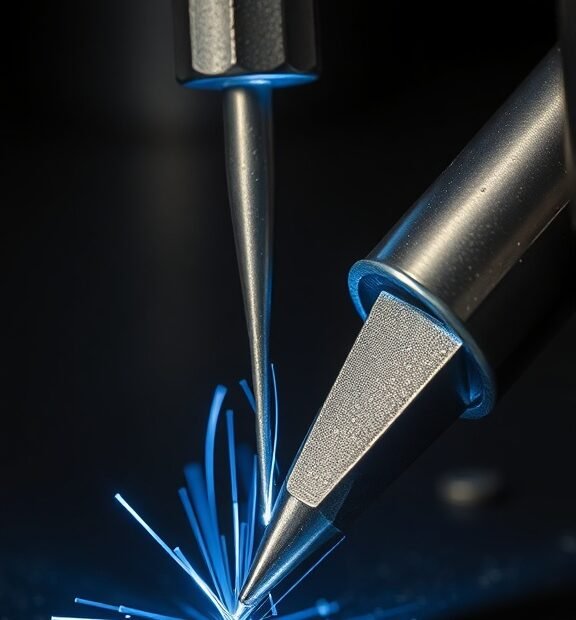
The Composition and Materials Used in Soldering Iron Tips
Soldering iron tips are essential tools for anyone involved in electronics, crafts, or repair work. Understanding what they are made of helps you choose the right tip for your project and ensures high-quality results. Knowing the materials used in soldering iron tips can enhance your soldering experience by improving heat transfer, durability, and overall performance.
Most soldering iron tips are designed to withstand high temperatures and regular use. The composition of these tips is crucial since it determines their effectiveness and lifespan. Let’s take a closer look at the common materials used in soldering iron tips.
Copper
Copper is a popular choice for soldering iron tips due to its excellent thermal conductivity. This property enables soldering tips to heat up quickly, reducing the waiting time before you can start soldering. However, copper is not the most durable material. It can oxidize and degrade over time if not properly maintained. That’s why many copper tips are coated with other materials to extend their life.
Nickel
Nickel is often used as a coating for copper soldering iron tips. Its primary benefit is corrosion resistance. When copper tips are coated with nickel, they can last longer, even in challenging environments. Nickel helps prevent oxidation, allowing the soldering tip to maintain optimal performance throughout its usage.
Iron
Some soldering iron tips are made from iron or are iron-coated. Iron tips offer a good balance between heat conductivity and durability. These tips heat up quickly and can withstand high temperatures. However, like copper, iron can also oxidize. To combat this, iron tips often come with a tin or nickel plating that protects against rust and prolongs their lifespan.
Tungsten
Tungsten is another material that may be found in soldering iron tips, especially in high-end models. Tungsten tips provide incredible durability and can handle extremely high temperatures without deforming. While they are less common than copper or iron tips, tungsten provides outstanding performance in professional settings.
- Copper: Excellent thermal conductivity but less durable.
- Nickel: Provides corrosion resistance and enhances durability.
- Iron: Good balance of conductivity and durability with a tendency to oxidize.
- Tungsten: Extremely durable and heat-resistant for professional use.
In addition to the primary materials, soldering iron tips may also have other coatings to enhance performance and durability. These coatings can include tin and silver. Tin-coated tips are popular for general soldering tasks as they facilitate smooth solder application. Silver can also be used for its excellent conductivity but comes at a higher cost.
Considerations When Choosing Soldering Iron Tips
When selecting the right soldering iron tip, consider the following factors:
- Type of Work: Are you doing detailed electronics work or heavier soldering tasks? Choose a tip accordingly.
- Tip Size: The size of the tip affects precision. Finer tips are better for delicate electronics.
- Heat Capacity: Ensure the tip can reach the required temperatures for your materials.
- Maintenance: Some tips require more frequent cleaning and care than others.
It’s also essential to understand that different types of soldering tasks require different soldering iron tip characteristics. For example, if you’re working on small, detailed components, a fine-tip iron may work best. Conversely, heavy-duty tasks may call for wider, more robust tips.
Ultimately, selecting the right soldering iron tip depends on your specific needs and the materials you’re working with. By considering the composition and materials of soldering iron tips, you can make a more informed decision and elevate your soldering game. Proper care and understanding of your tools will lead to better soldering experiences, enabling you to create high-quality projects successfully.
How Different Soldering Iron Tip Materials Affect Performance and Durability
Soldering is a vital process in electronics, and its effectiveness largely depends on the type of soldering iron tip used. The material that constitutes these tips plays a crucial role in determining their performance, longevity, and suitability for various tasks. Understanding how these different materials affect soldering can help you choose the right tip for your specific needs.
Most soldering iron tips are made from three primary materials: copper, iron plating, and other alloys. Each material has its unique characteristics that influence how well it performs during soldering tasks.
Copper Tips
Copper is a highly conductive material, making it an excellent choice for soldering iron tips. Their performance is outstanding due to several factors:
- Rapid Heating: Copper tips heat up quickly, which allows for efficient soldering without wasting time.
- Excellent Heat Retention: They maintain a stable temperature during soldering, ensuring a consistent bond between components.
- Versatility: Copper tips can handle a variety of soldering tasks, from delicate electronics to heavier components.
However, copper tips have a significant drawback: they can oxidize quickly when exposed to air. This oxidation can hinder their performance, so frequent maintenance and cleaning are necessary to keep them effective.
Iron-Plated Tips
Iron plating is a common choice for soldering tips, primarily because it helps protect the underlying copper. The benefits of iron-plated tips include:
- Durability: The iron plating provides a resistant layer against oxidation, ensuring a longer lifespan compared to pure copper tips.
- Better Corrosion Resistance: These tips perform well in diverse environments, reducing the frequency of replacements.
- Improved Heat Transfer: While not as fast as pure copper, iron plating still offers good heat conductivity, promoting efficient soldering.
While they do not heat as fast as copper tips, iron-plated tips are often a preferred choice for many soldering tasks due to their balance of performance and durability. Regular maintenance, such as tinning the tip, can further extend their lifespan.
Alloy Tips
Some soldering iron tips are made from various alloys, which combine multiple metals to achieve desired characteristics. Key benefits of alloy tips include:
- Enhanced Heat Resistance: Alloys often withstand higher temperatures, making them suitable for demanding soldering tasks.
- Specialized Features: Some alloy compositions can be engineered for specific soldering needs, like fine-point precision or broader surfaces for heavier jobs.
- Reduced Oxidation: Many alloys are designed to resist oxidation better than copper or even iron-plated tips, providing longer-term reliability.
However, the performance of alloy tips can vary widely depending on the specific composition used. It’s essential to choose an alloy tip that suits your application to maximize its effectiveness.
Choosing the Right Material for Your Needs
When selecting soldering iron tips, consider the following factors:
- Type of Work: Identify whether you’ll be working on fine electronics, heavy-duty soldering, or general repair tasks.
- Frequency of Use: For hobbyists, copper may be ideal, while professionals might prefer the durability of iron-plated or alloy tips.
- Budget: Copper tips are usually less expensive but may require more frequent replacement, while iron-plated and alloy tips can be pricier but offer longer life.
Ultimately, the choice between different soldering iron tip materials comes down to your specific needs and preferences. Each material offers distinct advantages and drawbacks. By understanding these differences, you can select the best soldering iron tip to achieve optimal results in your soldering projects.
Conclusion
Understanding what soldering iron tips are made of is essential for both hobbyists and professionals in electronics. These tips are commonly crafted from materials like copper, iron, and various coatings designed to enhance performance and longevity. Copper remains a top choice due to its excellent thermal conductivity, allowing for quick and efficient heat transfer to the components being soldered. However, raw copper can be prone to oxidation, which is why many tips are coated with nickel or iron to improve durability and maintain efficiency.
The material choice directly impacts the soldering experience. For instance, tips made from high-quality alloys tend to withstand high temperatures and resist corrosion better than standard options. This can lead to longer lifespan and fewer replacements, ultimately saving you money and effort in the long run. Specific coatings are also tailored for different soldering tasks, ensuring that you have the right tool for any job, whether it involves delicate circuit boards or larger electronic connections.
When selecting a soldering iron tip, consider both the material and its intended use. Finding the perfect match based on your projects can elevate your soldering skills. Not only will you boost the quality of your work, but you will also enhance your overall efficiency. By making informed choices regarding soldering iron tip materials, you can achieve superior results, prolong equipment life, and enjoy a more satisfying soldering experience. Understanding these tips’ composition and performance can empower you to select the right tools for your next project confidently.