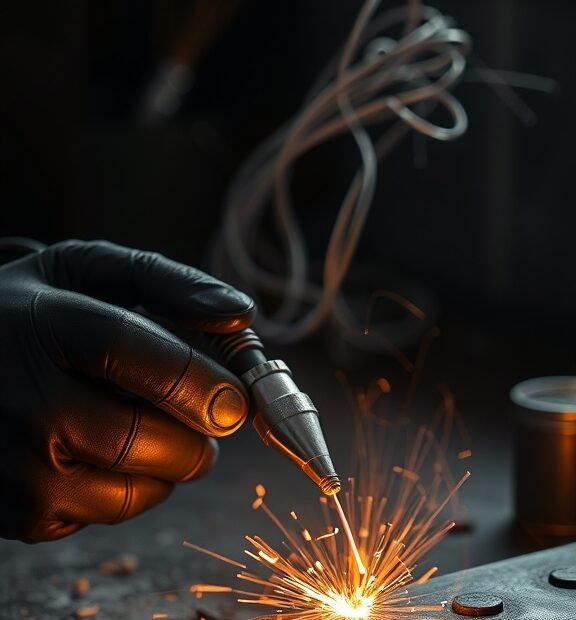
Evaluating the Toxicity of Soldering Iron and Its Components
Soldering irons are invaluable tools for electronics enthusiasts and professionals alike. However, a common concern arises about their safety. Many users wonder if soldering irons are toxic, and it’s a question worth exploring. Understanding the potential dangers can help you use this tool safely and effectively.
First, let’s examine the materials involved in soldering. The primary components include the solder itself, the soldering iron’s tip, and flux. Each of these elements can pose hazards, depending on exposure and handling.
Solder is often made from a combination of metals, predominantly lead and tin. Here’s what you need to know about these materials:
Soldering Stations | Easy 60 Day Return
- Lead: Traditionally, solder contained lead, which is toxic. Lead exposure can occur through inhalation or skin absorption during the soldering process. Symptoms of lead poisoning can include headaches, fatigue, and, in severe cases, neurological damage.
- Tin: Tin is generally considered safe. However, while it’s not toxic, excessive exposure can lead to respiratory issues if inhaled. This is particularly true for fine dust created when soldering.
Another critical component of soldering is flux. Flux helps prevent oxidation during the soldering process, but some fluxes can emit harmful fumes. Here’s a breakdown:
- Rosin-based flux: This is the most common type and is rather safe for occasional use. However, it can still produce irritating fumes, especially in poorly ventilated areas.
- Water-soluble flux: This type can pose more significant health risks due to the chemicals it contains. Prolonged exposure or inhalation of the fumes can lead to respiratory irritation.
It’s important to note that while soldering itself can release harmful fumes, the actual soldering iron, as a tool, is not inherently toxic. It is the materials used and how they are managed that create potential risks.
Soldering Stations | Easy 60 Day Return
To ensure you are using soldering irons safely, consider these best practices:
- Use lead-free solder whenever possible. This can greatly reduce the risk of lead exposure.
- Work in a well-ventilated area. Good airflow can help disperse fumes and reduce inhalation risks.
- Wear proper personal protective equipment (PPE). Safety goggles and fume masks can shield you from harmful particles and irritants.
- Clean your workspace regularly to minimize dust and debris that can attract harmful substances.
If you are working with older solder that contains lead, extra precautions are necessary. Ensure you wash your hands thoroughly after handling lead-based solder, and avoid eating or drinking in the work area to prevent ingestion.
Soldering Stations | Easy 60 Day Return
Another factor to consider is the temperature at which you use the soldering iron. Higher temperatures increase the likelihood of fume generation. Therefore, maintaining an appropriate temperature can help reduce toxicity levels. Typically, a temperature around 350–400 degrees Fahrenheit is sufficient for most soldering tasks without generating excessive smoke.
It’s also wise to familiarize yourself with the safety data sheets (SDS) for both solder and flux. These documents provide crucial information about the chemical properties and potential hazards associated with the materials you are using. Understanding these factors enhances safe use and decreases health risks.
Soldering Stations | Easy 60 Day Return
While the soldering iron itself may not be toxic, the components involved can pose health risks if not handled properly. By choosing safer materials, using proper ventilation, and following recommended safety practices, you can minimize any potential risk and enjoy your soldering tasks without unnecessary worry. Your safety is paramount, and making informed decisions will lead to a healthier working environment.
Remember, awareness is key. Stay informed about the materials you work with and take appropriate precautions to keep yourself safe from any potential toxic exposure while using a soldering iron.
Safety Precautions when Using a Soldering Iron in DIY Projects
When you’re diving into your next DIY project, a soldering iron can be an invaluable tool. However, using one requires caution to prevent accidents and injuries. Understanding the safety precautions associated with soldering can not only protect you but also enhance the quality of your work. Here are essential tips to keep in mind.
Soldering Stations | Easy 60 Day Return
Wear Protective Gear
Your first line of defense is to wear appropriate protective gear. This includes:
- Safety goggles: Protect your eyes from debris and sparks.
- Heat-resistant gloves: These will shield your hands from burns.
- Long sleeves: Wearing long clothing can protect your skin from the heat.
While it might seem cumbersome, these items are crucial for your safety.
Soldering Stations | Easy 60 Day Return
Work in a Well-Ventilated Area
Soldering can release fumes that might be harmful if inhaled. It’s always best to work in a well-ventilated space. Open windows and use fans to circulate air if necessary. If you’re indoors, consider using a fume extractor to minimize exposure to potentially toxic fumes. Keeping your workspace fresh can also help you focus on your project.
Keep Your Workspace Organized
Many accidents happen due to clutter. It’s important to:
Soldering Stations | Easy 60 Day Return
- Clear away any unnecessary tools and materials from your work area.
- Keep the soldering iron’s stand nearby to avoid accidental contact with surfaces.
- Have an area designated for waste, like used solder or materials, to reduce clutter.
An organized workspace not only promotes safety, but it can also enhance productivity while working on your project.
Handle the Soldering Iron with Care
The soldering iron gets extremely hot and can cause burns in seconds. Here are some basic handling tips:
Soldering Stations | Easy 60 Day Return
- Always place the soldering iron in its stand: When not in use, never leave it unattended on your workspace.
- Avoid touching the tip: Keep your fingers away from the iron’s hot tip and only grip the insulated handle.
- Be cautious with solder: Make sure to use solder that is safe for the types of projects you are working on.
Keeping these details in mind can prevent unwanted injuries during your projects.
Be Aware of Your Surroundings
While soldering, be conscious of what’s around you. Check for:
Soldering Stations | Easy 60 Day Return
- Flammable materials: Keep all flammable items at a safe distance.
- Children and pets: Ensure that your work area is kid and pet-free to prevent unexpected accidents.
- Loose clothing: Avoid wearing anything that might get caught or accidentally ignite.
Staying alert to your environment is vital for a safe soldering experience.
After Use Safety Tips
Your responsibilities don’t end once the soldering iron cools down. After completing your work, remember to:
Soldering Stations | Easy 60 Day Return
- Unplug the soldering iron: Always unplug it before moving it to prevent accidental burns.
- Clean your workspace: Collect any leftover solder and dispose of it properly.
- Store your equipment safely: Keep all tools, including the soldering iron, in designated containers or drawers.
Following these steps ensures that your DIY area remains safe for your next project.
The key to using a soldering iron safely lies in your preparedness and awareness. By wearing the right protective gear, maintaining a tidy workspace, handling the tool with care, and considering your surroundings, you can enjoy your DIY projects with confidence. Always prioritize safety to ensure that your creative endeavors remain enjoyable and injury-free.
Conclusion
Understanding the potential toxicity of a soldering iron and its components is crucial for anyone engaged in DIY projects. While the soldering iron itself is generally safe when used correctly, it’s important to acknowledge the materials involved, such as lead-based solders or fluxes containing harmful chemicals. Evaluating these factors can help you make informed choices about the supplies you use and the implications for your health.
Soldering Stations | Easy 60 Day Return
Implementing safety precautions while using a soldering iron is essential for minimizing risks. Always work in a well-ventilated area to reduce exposure to fumes, and consider using a fume extractor. Wearing protective gear, such as gloves and safety goggles, can further shield you from potential hazards. Additionally, never leave a hot soldering iron unattended, and ensure that your work area is clear of flammable materials.
By being aware of the risks and taking proper safety measures, you can enjoy a more productive and safer experience with your soldering projects. Always prioritize your health by choosing non-toxic materials whenever possible, and remember that good ventilation and protective equipment can significantly reduce any risks. By implementing these strategies, you can confidently engage in your DIY endeavors without compromising your well-being. Stay informed, stay safe, and happy soldering!