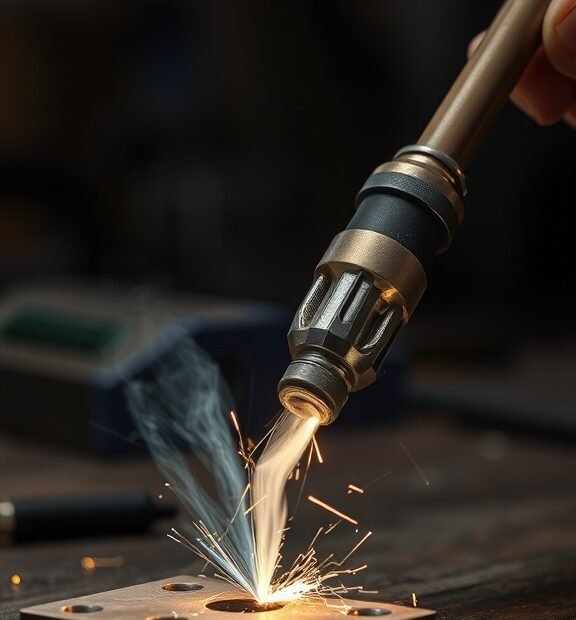
The Risks and Safety Precautions of Using a Soldering Iron
Soldering irons are essential tools for anyone working with electronics, but they come with inherent risks. If you’re considering using one, it’s crucial to know how to handle it safely. Understanding the potential dangers will help you create a safer working environment.
One of the primary risks associated with a soldering iron is burns. The tip of a soldering iron can reach temperatures above 400 degrees Fahrenheit (204 degrees Celsius). If you accidentally touch this hot surface, it can cause serious burns to your skin. To avoid this, always be mindful of where you place the iron and keep it in a stable position when not in use.
Another significant danger involves solder fumes. When solder melts, it releases fumes that can be harmful if inhaled. The materials in solder, especially those containing lead, can pose health risks. Therefore, it is vital to work in a well-ventilated area or use fume extraction systems. Consider wearing a mask specifically designed for filtering fumes as an added safety measure.
Electrical shock is another potential hazard. When dealing with electrical tools, there’s always a risk of shock, especially if you are working near water or if the soldering equipment becomes damaged. Always check the cords and connections for any signs of wear and tear before use. Keep your workspace dry and avoid using a soldering iron in damp conditions.
Using a soldering iron can also present a fire hazard. Because it’s a hot tool, it can ignite flammable materials nearby. To mitigate this risk, you should:
- Always keep the soldering iron on a heat-resistant mat or cradle when not in use.
- Ensure that there are no flammable items, such as paper or cloth, within reach of the soldering area.
- Have a fire extinguisher or a bucket of sand nearby as a precaution.
Furthermore, it’s essential to understand the general safety precautions when working with a soldering iron. Here are some helpful tips:
- Always wear safety glasses to protect your eyes from solder splashes.
- Use soldering irons with insulated handles to reduce the risk of burns.
- Practice good soldering techniques, such as not applying excessive force, to avoid accidents.
- Never leave a powered soldering iron unattended.
- Store your soldering iron in a safe place when it’s still hot to prevent accidental contact.
For beginners, it’s advisable to start with a lower wattage soldering iron. These irons heat up slower, giving you more control and reducing the risk of accidental burns. As you gain experience, you can transition to higher wattage tools that allow for faster heating and soldering.
Another area to consider is the type of solder used. Lead-free solders are becoming more popular due to the health risks associated with lead exposure. While they often have a higher melting point and require more skill to work with, the health benefits are substantial. Make sure to read the labels and choose solder that best suits your project while considering your health and safety.
In case of an accident, knowing how to respond appropriately is vital. For minor burns, run cool water over the affected area for 10-15 minutes. If a fire occurs, remember to never use water and instead employ a fire extinguisher. If you or someone else suffers from a severe burn, seek professional medical help immediately.
By understanding the risks and adhering to safety precautions, you can significantly reduce potential dangers when using a soldering iron. Always prioritize safety, and you’ll enjoy a productive experience while mastering the skill of soldering.
Common Misconceptions About Soldering Iron and its Dangers
Soldering irons are essential tools for many hobbyists and professionals alike, especially in electronics and electrical work. However, there are many common misconceptions about soldering irons that can lead to misunderstandings about their safety. It’s crucial to unravel these myths, as doing so can help you use these tools more safely and effectively.
One of the biggest misconceptions is that soldering irons are just like any other handheld tool. In reality, they operate at extremely high temperatures, usually reaching around 350 degrees Celsius (about 662 degrees Fahrenheit). This makes them incredibly effective for melting solder but also means they pose serious burn risks. Always remember to handle your soldering iron with care and let it cool down before storing it away.
Many people believe that using a soldering iron is entirely safe as long as they take basic precautions. While it’s true that using protective gear can significantly reduce risks, it doesn’t eliminate them entirely. For instance, solder contains lead or other harmful materials, and improper ventilation can expose you to toxic fumes when heating solder. Always work in a well-ventilated area and consider wearing a mask if you’re working with solder that has lead content. Additionally, ensure you’re using the right type of solder for your projects to minimize health risks.
Another common myth is that a soldering iron is suitable for all types of metals and applications. This is not the case. Different alloys require different soldering techniques and tools. For instance, some metals like aluminum have a lower melting point and might not bond well with standard solder. Using the incorrect soldering technique or materials can not only lead to failure in the connection but also spark a fire hazard. Always understand the materials you’re working with before you start soldering.
It’s also a widespread belief that anyone can pick up a soldering iron and instantly start creating. While soldering is an accessible skill, it does require practice to master. Improper technique can lead to cold joints—connections that may look fine but are weak and unreliable. These joints can fail over time, leading to faults in the machinery or devices. It’s vital to learn proper soldering techniques either through tutorials or classes to ensure both efficiency and safety.
Moreover, many assume that soldering irons do not have a risk of electrical hazards since they operate at low voltages. While they do operate at lower voltages than some power tools, the risk of an electric shock still exists if the tool is not used properly. Avoid using a soldering iron while standing on wet surfaces or near water, and always make sure you’re using properly insulated equipment. Regular checks for damage to cords and the iron itself can help you avoid tricky electrical problems.
Here are a few tips to help you use your soldering iron safely:
- Always use a stand: When you put down your soldering iron, ensure it’s in a designated stand to prevent accidental burns.
- Wear protective gear: Use safety goggles to protect your eyes from solder splashes or fumes.
- Ensure proper ventilation: If you’re working indoors, make sure there’s adequate airflow to avoid inhaling hazardous fumes.
- Keep a fire extinguisher nearby: It’s always wise to have a fire extinguisher close to your workspace, just in case.
- Educate yourself: Read up on solder types, techniques, and safety practices to enhance your skills and knowledge.
While soldering irons are incredibly useful, they also come with their share of dangers. By understanding the tools and the technique involved, you can effectively reduce risks associated with soldering. Instead of fearing the soldering iron, embrace it with the knowledge and respect it deserves; this will allow you to work safely and confidently on your electronic projects. The aim should be to enjoy the creativity and functionality brought by soldering while following safety protocols to protect yourself.
Conclusion
Using a soldering iron does come with its share of risks, but understanding these dangers and taking proper safety precautions can significantly reduce the potential for harm. It’s essential to recognize that while a soldering iron can cause burns and injury if mishandled, many accidents can be avoided by following some simple guidelines. Always ensure that you work in a well-ventilated area, use protective gear, and safely store your tools when not in use.
There are common misconceptions about the dangers of soldering irons that can lead to unnecessary fear. One prevalent myth is that soldering is dangerously toxic. While certain types of solder may contain lead, many modern options are lead-free and safer for everyday use. Additionally, the notion that soldering is purely an activity for professionals overlooks the fact that, with the right knowledge and approach, hobbyists can also safely engage in this skill.
Educating yourself about the correct techniques can make soldering not just a functional skill, but a fun and rewarding one. Understanding your tools, knowing the materials you are working with, and practicing safe handling techniques can empower you to use a soldering iron with confidence. Embracing this knowledge helps demystify soldering and underscores its many practical applications, turning what seems like a dangerous task into a safe and enjoyable experience for both DIY enthusiasts and professionals alike. By acknowledging the risks, debunking myths, and prioritizing safety, you can transform soldering from a daunting task into an opportunity for creativity and learning.