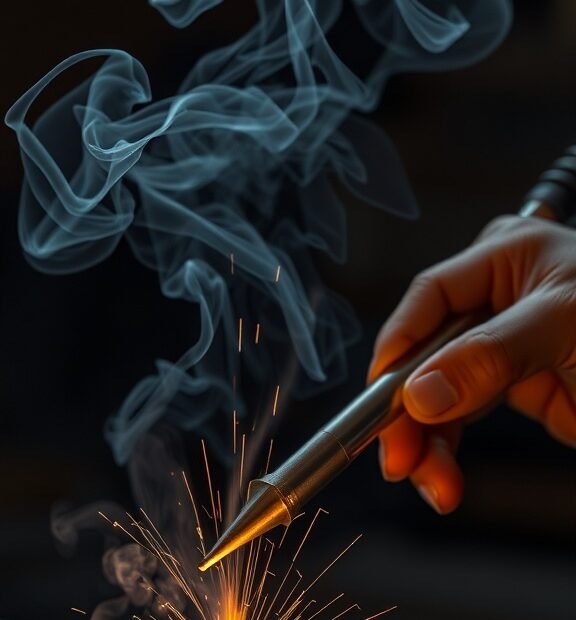
Understanding the Causes: Is It Normal for a Soldering Iron to Smoke?
Soldering irons are essential tools for electronics enthusiasts, aiming to join wires and other components together in a reliable electrical connection. However, you may have noticed your soldering iron smoking while using it. Understanding the causes of this phenomenon is crucial for both your safety and the effectiveness of your soldering tasks. So, is it normal for a soldering iron to smoke? Let’s explore this question and its implications further.
First, it’s important to note that some smoke is not uncommon when using a soldering iron, especially if it is a new tool or has been unused for a while. When you first heat up a soldering iron, any oils or residues from the manufacturing process may burn off, causing it to emit smoke. This is usually harmless and should dissipate after a few minutes of use.
However, continuous smoking or an excessive amount of smoke suggests a more serious issue. Understanding these causes can save you from potential hazards and damage to your projects. Here are the main reasons why a soldering iron might smoke:
- Burning Flux: If you’re soldering without proper ventilation or using the wrong type of flux, it can produce smoke. Flux is necessary for soldering as it helps to clean surfaces and prevent oxidation, but some types can produce fumes that may seem alarming.
- Overheating: If the soldering iron temperature is set too high, it can cause the solder or flux to burn, leading to smoke. Most soldering projects do not require maximum temperature, and it is often better to use a lower heat setting for detailed work.
- Dirty Tip: A soldering iron with a dirty tip can also lead to smoking. Oxidation and residue build-up on the tip can create poor heat transfer and may burn materials instead of melting them properly.
- Faulty Equipment: If your soldering iron is malfunctioning, it may produce smoke without any clear reason. This could be due to a damaged heating element or defective wiring, which poses safety risks.
- Improper Use of Solder: Using solder that is not designed for your specific application can also lead to burning and smoking. Always choose high-quality solder suitable for your projects.
If you find that your soldering iron is smoking frequently, it is essential to diagnose the cause. Here are some steps you can take to troubleshoot the issue:
- Check Temperature Settings: Ensure that you’re using the correct temperature for your soldering tasks. Consult your solder and flux manufacturers for recommendations.
- Clean the Tip: Regularly clean your soldering iron tip with a damp sponge or brass wool. Keeping it clean will promote better heat transfer and reduce smoking.
- Inspect for Damage: Look for any visible signs of damage on your soldering iron. If you spot cracks or frayed wires, it may be time for a replacement.
- Use Proper Ventilation: Make sure your workspace is well-ventilated to disperse any fumes produced during soldering, which can help improve air quality.
- Test Different Solder: If you suspect that your solder is the source of the smoke, try using a different brand or type to see if the problem persists.
While it’s not unusual for a soldering iron to smoke during its initial use due to burning oils, continuous smoke indicates a potential problem that should be addressed. By monitoring the temperature, keeping the iron clean, and ensuring proper equipment functioning, you can create a safer and more effective soldering environment. Always prioritize safety and follow guidelines to have the best experience with your soldering iron. If problems persist, do not hesitate to consult with a professional or consider investing in a new soldering iron to avoid compromising your projects further.
Ultimately, understanding the behavior of your soldering iron will empower you to work more effectively, enjoy your projects, and maintain a safe working environment.
Safety Tips and Best Practices When Using a Soldering Iron
Using a soldering iron can be incredibly useful for electronics, jewelry, and various crafts. However, the heat involved and the materials used require specific precautions to ensure safety and effectiveness. To help you navigate this task safely, here are some essential tips and best practices for using a soldering iron.
Wear Protective Gear
Your safety should always come first. Even though soldering might seem harmless, it can pose risks to your skin and eyes. Here’s what you need:
- Safety Glasses: Protect your eyes from accidental splashes of molten solder.
- Heat-Resistant Gloves: These can help prevent burns while you handle hot components.
- Long-Sleeved Clothing: Wearing long sleeves can protect your skin from accidental contact with the hot soldering iron.
Use a Soldering Iron Stand
It’s crucial to have a designated stand for your soldering iron. This prevents accidental burns or fires. Always return your iron to the stand when it’s not in use. Do not leave it lying on your workspace. A proper stand will keep the hot tip elevated and away from flammable materials.
Work in a Well-Ventilated Area
Soldering can release hazardous fumes, especially from lead-based solder. To protect your lungs, always work in a well-ventilated area. If you’re soldering indoors, consider using a fume extractor or a fan to help disperse fumes quickly.
Be Mindful of Your Surroundings
Your workspace plays a significant role in ensuring safety. Before you start soldering, make sure:
- The area is clean and free from flammable materials, like fabrics or paper.
- You have a stable surface that won’t wobble or move while you work.
- All necessary tools are within reach so you won’t have to leave the iron unattended.
Understand Your Equipment
Before using a soldering iron, familiarize yourself with the tool. Every soldering iron comes with specific instructions, including the appropriate temperature settings for various projects. Knowing how to adjust the temperature and the type of solder to use can lead to better results and safer practices.
Proper Technique Matters
Using the right technique when soldering can significantly reduce the risk of injuries. Here are a few pointers:
- Stabilize Components: Use clamps to hold the pieces you are soldering to ensure they do not move unexpectedly.
- Heat the Joint, Not the Solder: Place the tip of the iron on the joint you wish to solder first. Then apply solder to the heated joint, not directly to the iron.
- Don’t Overheat: Avoid overheating the components, as this can cause damage. Only heat for the necessary time to allow solder to flow.
Cleaning Your Equipment
To maintain efficiency and safety, regularly clean the soldering iron tip. Use a damp sponge or brass sponge to wipe off any oxidized solder. A clean tip enhances heat transfer and prevents buildup, ensuring a better soldering experience. Take care not to touch the hot tip while cleaning.
Dispose of Waste Properly
After you’re done soldering, dispose of any waste materials, including used solder and flux, according to local regulations. Some materials can be hazardous to your health and should not be thrown out with regular trash.
Stay Focused
Distractions can lead to accidents. While working with a soldering iron, it’s essential to remain focused. Avoid multitasking and keep children and pets away from your workspace. If you feel tired or unable to concentrate, take a break before you continue.
By following these safety tips and best practices, you’ll enhance your experience and minimize risks while using a soldering iron. Soldering can be a rewarding hobby or profession with the right approach and attention to detail. Always remember that safety comes first, and with the proper precautions, you can work confidently on your projects.
Conclusion
When it comes to using a soldering iron, a little smoke can sometimes be part of the process, especially if it arises from overheated flux or residue on the tip. However, consistently seeing smoke could indicate a problem that needs your attention. Understanding the potential causes of smoke helps ensure you can tackle any issues head-on and maintain a safe working environment.
Remember, keeping your soldering iron clean is key. Regularly removing old solder and flux buildup will decrease the likelihood of smoke and improve your soldering efficiency. Additionally, using the right temperature setting for your specific task can help prevent overheating. Always make sure your workspace is well-ventilated; this minimizes the effects of any smoke that may occur, protecting your health in the long run.
Safety should always be your top priority. Wear safety goggles to safeguard your eyes from any accidental splashes or solder spatter. Heat-resistant gloves and a stable work surface are just as important. consider investing in a soldering iron stand and some form of heat-resistant mat to keep your workspace tidy and safe from burns.
By remaining aware of the common causes of smoke and adopting the best practices outlined, you can solder with confidence. Achieving high-quality results while prioritizing safety is possible when you arm yourself with knowledge and take proactive measures. With these tips, you’ll be on your way to becoming a soldering expert, minimizing any smoke concerns along the way.