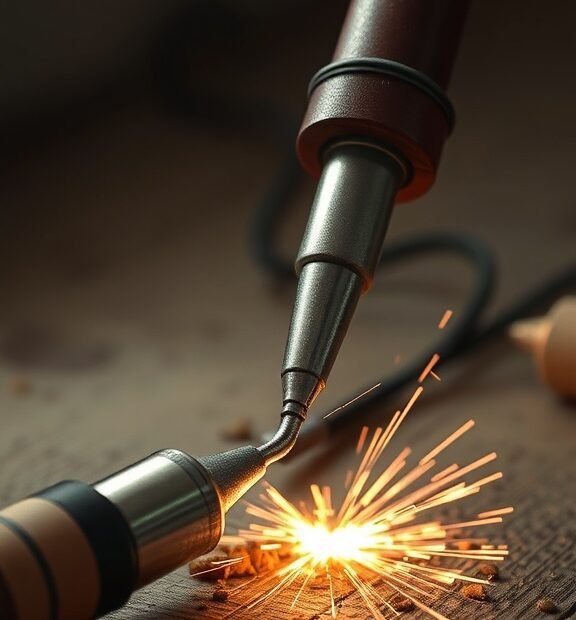
Comparing the Uses and Functions: Is a Soldering Iron the Same as a Wood Burner?
When it comes to crafting and DIY projects, having the right tools can make all the difference. If you’re wondering whether a soldering iron is the same as a wood burner, you’re not alone. Both tools are popular among hobbyists and professionals alike, but they serve different purposes and function in distinct ways.
A soldering iron is primarily used for electronics. It heats up to join metal components together. If you’ve ever needed to repair a circuit board or connect wires, a soldering iron is what you would reach for. The heat from the iron melts solder, a metal alloy that cools to form a strong, electrical connection. Here are some key features of soldering irons:
- Temperature Control: Most soldering irons have variable heat settings, making it easy to adjust the temperature according to your task.
- Precision Tips: They come with pointed tips that allow you to focus heat on small components.
- Portability: Many models are lightweight and easy to carry, making them perfect for on-the-go repairs.
On the other hand, a wood burner, also known as a pyrography pen, is designed for creating designs on wood. It works by transferring heat to the surface, allowing you to draw intricate patterns or write messages. This tool is often favored by artists and crafters who enjoy woodworking. Let’s look at some important aspects of wood burners:
- Heat Application: A wood burner heats its tip to a high temperature to scorch the wood, allowing you to create various shades and depth in your work.
- Interchangeable Tips: Many wood burners come with different tips, such as those for shading, writing, or detailed line work.
- Artistic Capability: They are specifically geared towards artistic expression, making them ideal for personalized gifts or decorative pieces.
So, how do these tools compare in practice? While they may appear similar at first glance—both have a heated tip and can be used for detailed work—they are not interchangeable. The differences are rooted in their intended uses and construction. A soldering iron is perfect for joining electronic parts, while a wood burner is best suited for artistic designs on wood surfaces. Here are additional factors to consider:
- Material Compatibility: Soldering irons work with metals and are intended for electrical connections, while wood burners specifically cater to wood.
- Design Specifications: Soldering irons often have more rigid and precise tips for detailed electronic work. Wood burners, conversely, have tips designed for artistic versatility.
- Safety Precautions: Using either tool requires caution due to the high temperatures involved. However, the risk associated with each can vary based on the materials being worked with.
When deciding which tool is right for your project, consider your goals. If you need to make electrical repairs, look no further than a soldering iron. However, if your project involves crafting wooden items or artwork, a wood burner is undoubtedly the right choice.
Ultimately, understanding the differences between these tools can save you time and frustration. Whether you’re fixing a favorite gadget or creating a unique wooden art piece, selecting the appropriate tool for your needs is crucial. Equipped with the right information, you can confidently choose between a soldering iron and a wood burner for your next project.
Although a soldering iron and a wood burner may share similarities in appearance, they serve vastly different functions. A soldering iron is designed for electronics while a wood burner is crafted for artistic expression on wood surfaces. By knowing their distinct characteristics and uses, you can ensure that you use the right tool for your creative projects.
Tips for Choosing the Right Tool: Soldering Iron vs. Wood Burner for Your Projects
When you’re embarking on a DIY project or crafting endeavor, choosing the right tool can make all the difference. Two tools that often come into consideration are the soldering iron and the wood burner. While they may look somewhat similar, their functions and applications are distinct. Understanding what each tool can do will help you make the best choice for your specific project.
Understanding the Basics
A soldering iron is primarily designed for joining metal parts together. It uses a heated tip that melts solder, a fusible metal alloy, to create a secure connection. This tool is commonly used in electronics, jewelry making, and metalwork. On the other hand, a wood burner, also known as a pyrography tool, uses a heated tip to burn designs into wood or other materials. The focus here is on creativity, allowing artists to produce intricate patterns and images.
Key Differences to Consider
When deciding between a soldering iron and a wood burner, it’s important to recognize some key differences:
- Purpose: A soldering iron is mainly for metalwork, while a wood burner is intended for art and crafting on wood.
- Temperature: Soldering irons typically reach higher temperatures than wood burners. This is crucial for melting solder effectively, but it also makes soldering irons less suitable for delicate wood crafting.
- Precision: Wood burners offer different nibs for various artistic effects, allowing for varied textures and designs; soldering irons usually have a more straightforward, pointed tip.
Assessing Your Project Needs
Consider what you aim to achieve with your project. If your work involves electronics, circuit boards, or metal repairs, a soldering iron is your best bet. However, if you’re looking to create artistic items, embellish wooden surfaces, or design custom gifts, a wood burner will serve you better. Think about the materials you will be using and select the tool that aligns with your project requirements.
Ease of Use and Accessibility
If you’re new to crafting, the soldering iron may require more practice to master, especially in controlling the heat and flow of solder. Wood burning, while also requiring a certain level of skill, often feels more intuitive for those interested in drawing and design. Consider where you stand in your crafting journey and how comfortable you feel with each tool.
Budgeting for Your Tools
Pricing can vary widely based on the brand and features of the tools you’re considering. A basic soldering iron might cost around $10 to $50, depending on its wattage and features. Wood burners can range from $10 for a simple model to over $100 for advanced versions that include multiple tips and temperature controls. Setting a budget and doing some comparison shopping will help ensure you choose a tool that fits your financial plan.
Safety First
No matter which tool you choose, safety should always be your top priority. Both soldering irons and wood burners operate at high temperatures, posing burn risks. Here are some tips to stay safe:
- Always work in a well-ventilated area.
- Use a heat-resistant surface for your projects.
- Handle hot tools with care and always switch them off when not in use.
- Wear protective gear, such as gloves and goggles, when necessary.
Final Thoughts
Whether you decide to invest in a soldering iron or a wood burner depends on your project’s specific needs. Take the time to assess your goals, skill level, and budget. Both tools can open new creative pathways, but knowing their intended uses will lead you to the right choice. Whatever path you choose, dive in with excitement and creativity, and let your projects flourish.
Conclusion
Understanding whether a soldering iron is the same as a wood burner is essential for anyone involved in DIY projects or craft-making. Both tools serve unique purposes and cater to different types of work. A soldering iron focuses on creating electrical connections, making it perfect for electronics and delicate wiring tasks. On the other hand, a wood burner excels in creating artistic designs on wood surfaces, providing a way to express creativity through pyrography.
Choosing the right tool for your specific project can significantly affect the outcome. If you are soldering circuit boards or repairing electronic devices, then a soldering iron is undoubtedly your best choice. It offers precision and control over small components, ensuring reliable and durable connections. Conversely, if your project involves transferring intricate designs onto wood, a wood burner provides the heat necessary for detailed artistry and creativity.
Consider the materials you will work with and the results you aim to achieve when making your decision. If your interests lie in both electronics and woodworking, having both tools in your toolkit can enhance your versatility and skill set. Remember that each tool has its own strengths, and recognizing these differences will help you navigate your projects more efficiently.
Ultimately, understanding the distinct functions of a soldering iron and a wood burner not only informs your tool selection but also empowers you to dive into new creative ventures confidently. Your projects will flourish when equipped with the right knowledge and tools tailored to your needs.