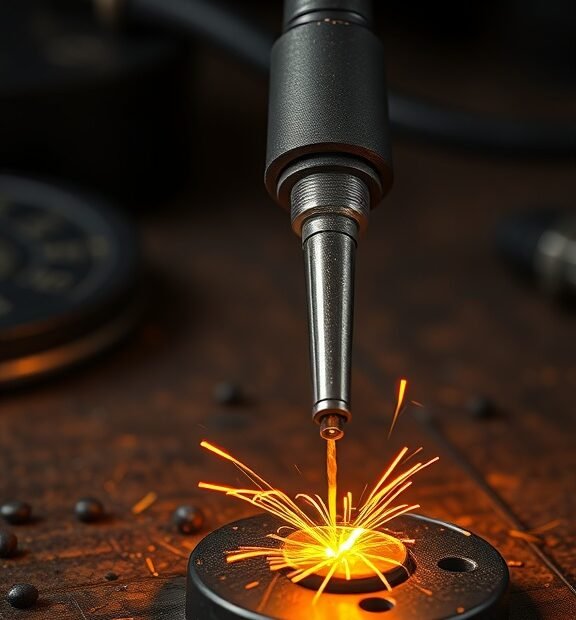
Evaluating the Effectiveness and Versatility of a 60W Soldering Iron for Various Projects
When seeking a reliable soldering tool, the choice often falls to a 60W soldering iron. This wattage provides a balance between efficiency and versatility, making it a popular choice for hobbyists and professionals alike. But is a 60W soldering iron good for your projects? Let’s explore its effectiveness and how it stands up against various tasks.
One of the primary advantages of a 60W soldering iron is its ability to heat up quickly. This speed ensures that you can start your projects without long wait times. Many 60W models reach the desired temperature in just a few moments, allowing you to get to work faster. The quick heat-up time is particularly beneficial for those who often work on multiple tasks, as it minimizes downtime.
Another important factor is temperature control. With a soldering iron boasting 60 watts, you typically find it offers an adequate range of heat settings. This flexibility is crucial when dealing with different materials. For instance, soldering delicate components like circuit boards may require a lower temperature to prevent damage, while thicker wires or heavier joints might need a higher heat setting. A reliable 60W soldering iron provides enough power to handle both scenarios effectively.
Here’s a closer look at the versatility of a 60W soldering iron:
- Electronics Repair: One of the most common uses for a soldering iron is repairing electronic devices. The 60W iron melts solder efficiently, allowing you to fix broken connections or replace components with ease.
- Craft Projects: Whether it’s jewelry making or DIY crafts, a 60W soldering iron can help you join metal pieces. Its manageable temperature makes it suitable for various materials, making crafting a breeze.
- Auto Repairs: For those who enjoy working on cars, a 60W soldering iron can help repair wiring or sensors. It provides enough heat to solder automotive connections securely.
- Model Building: If you love model assembly, a 60W soldering iron can bond parts smoothly. It’s lightweight and easy to maneuver, making it ideal for intricate model kits.
Another consideration when evaluating a 60W soldering iron is its design and ease of use. Many models feature ergonomic handles, which provide a comfortable grip during extended use. If you’re working on detailed tasks, a lightweight soldering iron can significantly reduce hand fatigue. Additionally, several 60W models come with various tip options, allowing you to pick the best one for your specific project needs.
Heat retention is also a critical aspect of performance. A quality 60W soldering iron maintains consistent heat during work, preventing it from cooling down too quickly. This feature is essential when soldering multiple joints in quick succession, as it allows for a smoother workflow.
It’s also worth noting that a 60W soldering iron is generally more affordable compared to higher wattage options. This aspect makes it an attractive choice for beginners or occasional users who may not want to invest heavily in soldering tools. However, even professional DIYers appreciate the cost-effectiveness without compromising on performance.
In terms of safety, many 60W soldering irons come equipped with safety features such as an auto shut-off function. This feature helps prevent accidents, ensuring that the tool does not remain hot for extended periods when not in use. Always remember to follow safety guidelines to mitigate any hazards associated with soldering.
While a 60W soldering iron is versatile and effective for various projects, it is essential to acknowledge its limitations. For instance, extremely thick materials or industrial-grade tasks may require higher wattage tools to achieve optimal results. Thus, while it serves well in many situations, more specialized tasks may call for a different approach.
If you’re considering a soldering iron for projects ranging from electronics to crafts, a 60W option is likely to be a solid choice. Its balance of heat output, speed, and versatility makes it suitable for both novices and experienced users. It is an investment that can cover multiple functions while remaining cost-effective and user-friendly. Ultimately, for most purposes, a 60W soldering iron is indeed a good choice, allowing you to tackle a wide array of tasks with confidence.
Key Features to Look for When Choosing a Soldering Iron for Beginners
Choosing the right soldering iron can make a big difference for beginners tackling electronics repairs or DIY projects. With so many options available, it’s essential to know which features to prioritize. Here are some key features you should consider to ensure you make the right choice.
Wattage
The wattage of a soldering iron significantly affects its heating ability. For beginners, a soldering iron with a wattage between 30W and 60W is usually ideal. A 60W soldering iron heats up quickly and maintains temperature better, making it suitable for various tasks. Here are a few reasons to look for the right wattage:
- Heat-up Time: A higher wattage means less waiting time for your soldering iron to reach the desired temperature.
- Versatility: A 60W soldering iron can handle multiple types of soldering projects, from electronics to crafts.
- Temperature Control: Higher wattage generally means more stable heat and better control of the soldering process.
Temperature Control
Temperature control is an essential feature for any soldering iron, especially for beginners. Look for models with adjustable temperature settings, as this allows you to customize the heat based on your project needs. Here’s why it matters:
- Color-coded soldering: Different solder types require different temperatures. Adjustable settings let you adapt easily.
- Material Compatibility: Some electronics are sensitive to heat. Lower temperatures help avoid damage.
- Ease of Use: A soldering iron that lets you switch temperatures easily will make your tasks smoother.
Type of Tip
The tip of your soldering iron is crucial for the effectiveness of your soldering work. As a beginner, you’ll want to consider the following:
- Shape: A conical tip is good for precision tasks, while a chisel tip offers better heat transfer for bigger solder joints.
- Interchangeability: Some soldering irons allow you to swap tips for different applications. This flexibility is beneficial for various projects.
- Material: Look for tips made of copper, as they effectively conduct heat and are durable.
Build Quality
A sturdy soldering iron can last you for years. As a beginner, choose one that feels comfortable in your hand and has a solid build. Here are some points to consider:
- Weight: A well-balanced soldering iron that’s not too heavy or too light will provide more control during use.
- Grip: A non-slip grip makes it easier to handle, reducing the risk of accidents.
- Cord Length: Ensure the cord is long enough to allow movement without being a hindrance.
Safety Features
Safety is a top priority when working with electrical tools. Look for the following safety features to protect yourself while soldering:
- Built-in Stand: A soldering iron with a stand keeps it secure and reduces the risk of burns or fires.
- Heat-resistant Materials: Models made with materials that withstand high temperatures help avoid accidental injuries.
- Automatic Shut-off: Some soldering irons come with an auto shut-off feature after a period of inactivity.
Affordability
When starting out, it’s wise to consider your budget. You don’t need to spend a fortune on a soldering iron. Many high-quality options are available at reasonable prices. Look for reviews and recommendations to find reliable brands that fit within your budget.
Accessories
Look for soldering irons that come bundled with useful accessories like a soldering stand, cleaning sponge, or even solder wire. These additions can make your soldering tasks easier and more efficient.
When selecting a soldering iron as a beginner, prioritize wattage, temperature control, tip type, build quality, safety features, affordability, and any necessary accessories. Making an informed choice can lead to more enjoyable and successful soldering experiences.
Conclusion
Choosing the right soldering iron can make a significant difference in the success of your projects, especially when you’re just starting out. A 60W soldering iron offers a balanced level of power, making it effective for a variety of tasks, from basic circuit board repairs to more intricate electronics work. Its versatility means you can tackle different materials without worrying about underperformance, giving you that confidence boost as a beginner.
When selecting a soldering iron, it’s essential to consider key features that cater to your needs. Look for options with adjustable temperature settings, a comfortable grip, and lightweight design to ease the fatigue during extended use. Additionally, a soldering iron with a fine point tip will enhance precision, allowing you the flexibility to work on both large and small components.
It’s also wise to opt for beginner-friendly documentation or online resources, which can greatly assist you in navigating common challenges faced by newcomers. A solid understanding of soldering techniques can turn simple projects into successful outcomes, building your skills and knowledge over time.
A 60W soldering iron is a great choice for beginners. Its effectiveness and versatility make it suitable for a wide array of projects. By paying attention to key features and understanding how to use your tool effectively, you’ll find that soldering can be both enjoyable and rewarding. Embrace your journey into electronics, knowing that the right equipment can lead to impressive results.