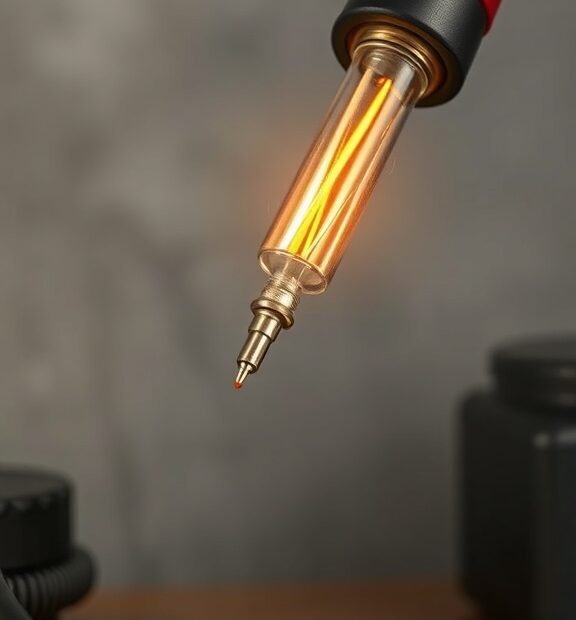
Evaluating Whether a 30 Watt Soldering Iron is Sufficient for Your Projects
Soldering is an essential skill in electronics, jewelry making, and various DIY projects. Choosing the right soldering iron can be a crucial step in ensuring your success. If you’re wondering whether a 30 watt soldering iron is enough for your projects, you’re in the right place. Let’s explore what a 30 watt soldering iron can do, when it might be appropriate, and what limitations you may encounter.
First, it’s important to understand what wattage means in the context of soldering irons. Wattage indicates the power of the soldering iron, which influences its temperature. A 30 watt iron is on the lower end of soldering iron power ratings, typically suitable for smaller jobs and lighter materials. Here’s what a 30 watt soldering iron can generally handle:
- Basic Electronics – Perfect for soldering small components like resistors, capacitors, and diodes.
- Light Gauge Wires – Works well with thin wires found in most home electronics.
- Delicate Work – Excellent for intricate tasks, such as soldering on small circuit boards where high heat can damage components.
- DIY Projects – Suitable for basic repairs and crafting that don’t require heavy-duty soldering.
However, there are times when a 30 watt soldering iron might fall short. For heavier tasks or materials, this wattage may not be sufficient. Consider the following project types where you might need more power:
Soldering Stations | Easy 60 Day Return
- Thicker Wires – If you’re working with larger, heavier gauge wires, a 30 watt soldering iron might struggle to heat the metal adequately.
- High Heat Requirements – Jobs that involve larger components, such as connectors or transformers, typically require more heat.
- Metal Projects – Jewelry makers or metal fabricators may find that they need a soldering iron with higher wattage to achieve good results.
When you’re evaluating whether a 30 watt soldering iron meets your needs, consider these additional factors:
- Tip Size – The size of the soldering iron tip can impact its efficiency. A fine tip can help you work with precision on smaller components, while a larger tip provides better heat transfer for bigger jobs.
- Temperature Control – Some irons come with adjustable temperature settings. This feature can be beneficial for different applications, allowing you to adapt to your project requirements.
- Type of Solder – Lead-free solders typically require higher temperatures than traditional lead-based solder. Make sure your iron can handle the solder you intend to use.
It’s also essential to think about your skill level and project frequency. If you’re a beginner or only plan to tackle small projects occasionally, a 30 watt soldering iron might be a perfect fit. It’s cost-effective and easy to handle. On the other hand, if you’re more experienced or plan to engage in larger-scale projects regularly, investing in a higher wattage soldering iron—like a 40 watt or 60 watt—might be wise. This upgrade ensures you can manage a broader range of materials effectively.
Soldering Stations | Easy 60 Day Return
Storage and maintenance of your soldering iron are critical for ensuring its longevity. Keep the tip clean and tinned to maintain its ability to conduct heat. Regularly check for any wear and tear, as a damaged tip can compromise your soldering quality.
Whether a 30 watt soldering iron is enough depends on your specific needs and the type of projects you’re working on. For lighter, intricate work, a 30 watt iron can serve you well. However, if you find yourself tackling more professional or robust projects, consider whether a higher wattage iron may be a better choice. Always evaluate the scope of your projects, and don’t hesitate to upgrade when necessary. Remember, the right tools can make all the difference in achieving successful and satisfying results. The best soldering experiences often begin with understanding what you need and picking the right kit for your creative journey!
Key Factors to Consider When Choosing a Soldering Iron Wattage
When choosing a soldering iron, one of the most crucial factors to think about is the wattage. Wattage determines how effectively the soldering iron can heat up and maintain temperature during use. If you’re wondering whether a 30-watt soldering iron is enough, it’s essential to consider several factors that influence your decision.
Soldering Stations | Easy 60 Day Return
Understanding Wattage
Wattage is a key indicator of power for a soldering iron. The higher the wattage, the quicker and hotter the soldering iron can get. This feature is especially important for certain soldering tasks. A 30-watt soldering iron is on the lower end of the spectrum, which can be suitable for light jobs but may struggle with more demanding projects.
Types of Projects
Consider the types of projects you plan to tackle. Here are some common tasks and their heating needs:
Soldering Stations | Easy 60 Day Return
- Electronics Repair: For simple electronic circuits and small components, a 30-watt iron may suffice.
- Heavy Duty Soldering: If you’re joining larger parts, a higher wattage, typically above 40 watts, is recommended.
- Jewelry Making: Intricate projects may need a soldering iron with adjustable wattage for precision.
Heat Recovery Time
The ability to maintain temperature is vital to soldering successfully. A 30-watt soldering iron may take longer to recover its heat, particularly when working on larger components. If your soldering iron loses heat too quickly, it could lead to cold joints—connections that are not fully melted and could cause failures. Therefore, if you plan on doing applications that necessitate a lot of heat, opting for a higher wattage may save time and frustration.
Type of Solder
The type of solder you use also affects your wattage decision. For example, lead-free solder requires a higher temperature to melt compared to traditional lead-based solder. If you tend to work with lead-free solder, a 30-watt soldering iron may struggle, creating additional challenges in your work.
Soldering Stations | Easy 60 Day Return
Tip Size and Quality
The size and quality of the soldering iron tip also play a crucial role in performance. A finer tip on a 30-watt iron can help with detailed work but might not be adequate for larger surfaces. Consider whether you need different tip sizes for different tasks and how this aligns with the wattage of your soldering iron.
Experience Level
Your own skill level matters when choosing the wattage of your soldering iron. For beginners, a 30-watt soldering iron might be a good starting point for small, controlled projects. However, as you grow more confident and tackle more extensive or intricate tasks, you may find the limitations of a lower wattage soldering iron frustrating. More experienced users often gravitate toward 40 watts or higher for versatility.
Soldering Stations | Easy 60 Day Return
Budget Considerations
Budget can also significantly influence your choice. A 30-watt soldering iron typically comes at a lower price point. If you’re on a tight budget or are new to soldering and want to test the waters, this might be a reasonable choice. However, remember that investing in a higher wattage or more versatile soldering iron can be beneficial in the long run if you plan to engage in more complex tasks.
Portability and DIY Projects
If you need a soldering iron for on-the-go projects or hobbies, consider its weight and ease of use. A lightweight 30-watt soldering iron is easy to transport but may not be as effective for serious projects. Make sure to assess how often you’ll be moving the soldering iron and whether the travel convenience outweighs its performance limitations.
Soldering Stations | Easy 60 Day Return
While a 30-watt soldering iron can suffice for simple tasks, its limitations may become apparent as the complexity of your projects increases. Taking into account the type of tasks you’ll be handling, the materials you’ll use, and your personal skill level will assist you in making the best choice for your soldering needs. Don’t shy away from exploring higher-wattage options if you anticipate more challenging tasks in your future. Your choice of soldering iron can significantly impact the quality of your work and your overall experience.
Conclusion
Deciding if a 30 watt soldering iron is sufficient for your projects ties back to your specific soldering needs and the materials you plan to work with. As outlined, this wattage is generally suitable for various tasks such as fine electronics work, basic repairs, and light hobby projects. However, it may struggle with thicker materials or larger components that require a higher temperature for an effective bond.
Choosing the right wattage is crucial for optimal performance. Factors such as the types of solder you’ll use, the thickness of the materials, and your level of experience all play significant roles in determining the right soldering iron for your needs. For intricate tasks, a 30 watt soldering iron can provide the control and precision you desire, making it a good option for beginners and those working on delicate electronics.
Soldering Stations | Easy 60 Day Return
On the other hand, if your projects are likely to involve heavier materials or require faster heat-up times, you might need a soldering iron with a higher wattage. This can assure quicker soldering and the ability to maintain stable temperatures.
Ultimately, the best choice will vary from person to person. Assess the nature of your projects, balance it against the capabilities of a 30 watt soldering iron, and consider future projects as well. Whichever you decide, investing in a quality soldering iron designed for your specific needs will yield better results and enhance your crafting experience. Remember, using the right tool not only improves your efficiency but also leads to a more satisfying and successful outcome in your crafting endeavors.