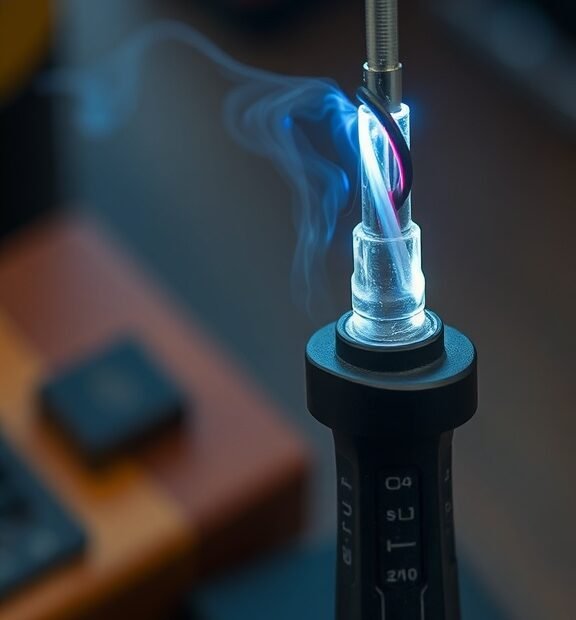
A Step-by-Step Guide on How to Wire a Soldering Iron Safely
Wiring a soldering iron might seem daunting at first, but with the right tools, knowledge, and safety precautions, you can do it effectively and efficiently. In this guide, you will learn how to wire a soldering iron safely and correctly.
Before starting, ensure you have all the necessary tools and materials at hand. You will typically need:
- Soldering iron
- Power cord
- Solder
- Wire strippers
- Screwdriver
- Heat shrink tubing
- Electrical tape
Once you have gathered everything you need, follow these steps to wire your soldering iron:
Soldering Iron Kits & Accessories
Step 1: Safety Precautions
Before beginning any electrical work, safety should be your top priority. Always ensure the soldering iron is unplugged. Wear safety goggles and gloves to protect yourself from any accidental burns or sparks. A well-ventilated workspace is also essential to prevent inhalation of fumes.
Soldering Iron Kits & Accessories
Step 2: Inspect the Soldering Iron
Take a close look at your soldering iron to ensure it’s suitable for wiring. Check for any visible damage like frayed wires or broken connections. If you see any problems, consider replacing the soldering iron entirely before attempting to wire it.
Soldering Iron Kits & Accessories
Step 3: Prepare the Power Cord
Grab the power cord and use wire strippers to expose about half an inch of the inner wires. Typically, a power cord has three insulated wires: one for live (brown), one for neutral (blue), and one for grounding (green or yellow/green). Carefully strip the insulation from each wire, ensuring not to damage the copper strands within.
Soldering Iron Kits & Accessories
Step 4: Locate the Wiring Terminals
Check the soldering iron for its wiring terminals. You should see three terminals labeled: live, neutral, and ground. These labels are often marked on the switch or power connector of the soldering iron. Confirm that they correspond to the wires in your power cord.
Soldering Iron Kits & Accessories
Step 5: Connect the Wires
Now, connect the wires from the power cord to the terminals on the soldering iron. Follow these guidelines:
Soldering Iron Kits & Accessories
- Connect the brown (live) wire to the live terminal.
- Connect the blue (neutral) wire to the neutral terminal.
- Connect the green/yellow (ground) wire to the ground terminal.
Make sure the connections are secure and tight to prevent any electrical hazards.
Step 6: Insulate Your Connections
Soldering Iron Kits & Accessories
After you have made the connections, it’s crucial to insulate them to avoid any accidental shorts. Use heat shrink tubing over each connection and apply heat gently to shrink it tightly around the wires. For additional security, wrap electrical tape around the connections.
Step 7: Reassemble the Soldering Iron
Soldering Iron Kits & Accessories
Once your connections are insulated correctly, reassemble your soldering iron according to the manufacturer’s instructions. Ensure all screws and components are tightened properly to prevent any loosening during use.
Step 8: Test the Soldering Iron
Soldering Iron Kits & Accessories
After reassembly, it’s time to test your newly wired soldering iron. Plug it into an outlet and turn it on. Carefully observe for any unusual sounds or smells. If any issues arise, unplug the iron immediately and double-check your wiring connections.
Step 9: Use Your Soldering Iron Safely
Soldering Iron Kits & Accessories
When using your soldering iron, remember to handle it with care. Always maintain a firm grip and avoid exposing the hot tip to any flammable materials. Work in a well-lit area and keep your workspace organized to minimize risks.
Wiring a soldering iron is a straightforward task if done carefully and correctly. By following these steps, you can ensure a safe and effective wiring process, giving you a reliable tool for your soldering needs. Remember, safety first, and double-check your work before plugging in the soldering iron for use.
Essential Tips and Tools for Effective Soldering Techniques
Soldering is an essential skill for anyone looking to work on electronics, crafts, or DIY projects. Mastering effective soldering techniques can greatly improve the quality of your work. Here’s a collection of essential tips and tools to help you become a better solderer.
Soldering Iron Kits & Accessories
Understanding the Basics of Soldering
Before diving into techniques, it’s key to understand what soldering is. It involves melting solder, a fusible metal alloy, to join two or more electronic components. A good soldering job ensures strong electrical connections, which are crucial for the functionality of electronic devices. Here are some foundational tips to get started:
- Temperature Control: Understanding the right temperature is vital. A standard soldering iron should be set between 350-400°C (660-750°F) for most electronics.
- Safety First: Always wear safety glasses. Solder can splatter, and safety goggles will protect your eyes from harmful debris.
- Clean Workspace: Ensure your workspace is clean and organized. A clutter-free area reduces the risk of accidents and makes it easier to find tools.
Essential Tools for Soldering
Having the right tools makes a significant difference in your soldering experience. Here is a list of must-have tools:
Soldering Iron Kits & Accessories
- Soldering Iron: Invest in a quality soldering iron with adjustable temperature. A fine tip is ideal for precision work.
- Solder Wire: Use rosin-core solder for electronics. It helps create cleaner joints and reduces oxidation.
- Soldering Iron Stand: A stand not only holds the iron safely but also prevents accidents when it’s hot.
- Soldering Flux: This is used to clean surfaces before soldering, helping to ensure better adhesion and conductivity.
- Wire Cutters: Essential for trimming excess wire after soldering. Choose a pair that is comfortable for you to use.
- Desoldering Pump: If you make a mistake, a desoldering pump helps remove solder from joints. This is an invaluable tool for beginners and experts alike.
- Heat Shrink Tubing: After soldering joints, use this tubing to insulate and protect connections.
Effective Soldering Techniques
Now that you have your tools, mastering the techniques is the next step. Here are key practices that will enhance your soldering skills:
- Pre-tinning: Before soldering, apply a small amount of solder directly to the tip of the soldering iron. This helps heat transfer and makes it easier to solder components.
- Heat the Connection: Instead of directly applying solder to the soldering iron, heat the connection you want to solder. Once the connection is hot enough, add solder to it. This creates a better bond.
- Don’t Overheat: Avoid keeping the soldering iron on a connection too long, as this can damage components. A quick touch is usually sufficient.
- Practice Good Technique: Hold your soldering iron like a pencil for better control. Use your other hand to steady the components while soldering.
Post-Soldering Care
After finishing your soldering task, it’s crucial to ensure everything is in top condition:
Soldering Iron Kits & Accessories
- Inspect Joints: Check your solder joints for any defects like cold solder joints or bridges between connections.
- Clean Up: Use isopropyl alcohol and a brush to clean flux residue from the soldered area to avoid corrosion over time.
- Store Tools Properly: Make sure to clean your soldering iron tip after each use and store it safely to prolong its life.
Practicing these tips and techniques will help you achieve better results in your soldering projects. Whether you’re a beginner or looking to refine your skills, these guidelines will enhance your overall soldering experience.
Conclusion
Wiring a soldering iron can seem daunting at first, but with the right guidance and tools, you can navigate the process safely and effectively. By following the step-by-step instructions provided, you can ensure that your soldering iron is wired correctly, allowing you to tackle various soldering tasks with confidence. Safety remains paramount; wearing proper protective gear and working in a well-ventilated area can make all the difference in your soldering experience.
Remember that success doesn’t just come from wiring alone; mastering effective soldering techniques is essential as well. Investing time in learning about essential tips, such as temperature control and choosing the right solder, will enhance the quality of your work. Utilize tools like a quality soldering iron holder and cleaning sponge to ensure that your soldering station is organized and efficient.
Soldering Iron Kits & Accessories
As you practice, you’ll develop a rhythm that makes the process feel more intuitive. Keep experimenting with different projects to refine your skills, and don’t hesitate to seek out additional resources or communities to gain insights and advice. With persistence and patience, you’ll soon find that wiring a soldering iron and employing effective soldering techniques becomes second nature. Embrace the journey, and take pride in the craftsmanship you can achieve!