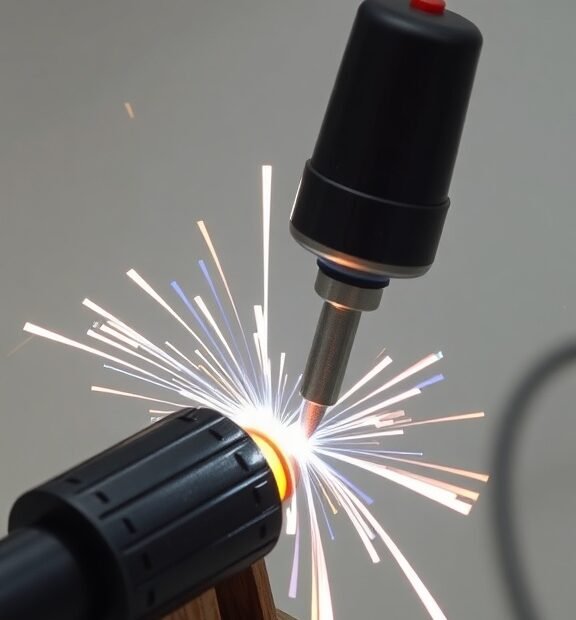
Techniques and Tips for Welding Plastic with a Soldering Iron
Welding plastic is a handy skill to learn, especially if you’re looking to repair broken items or create custom plastic designs. One effective method for welding plastic is using a soldering iron. This method allows for a strong bond, and with a few techniques and tips, you can master the process. Let’s explore how you can effectively weld plastic with a soldering iron.
Understanding Your Materials
Before you begin the welding process, it’s crucial to know what type of plastic you are working with. Different plastics have distinct melting points and may require specific techniques. Common types include:
- Polyethylene (PE): Often used for bottles and containers. It has a low melting point.
- Polypropylene (PP): Found in packaging and automotive parts. It is more heat-resistant.
- Acrylic (PMMA): A glass-like plastic used for signs and displays. It can be easily welded with a soldering iron.
Knowing the type of plastic will help you adjust your welding technique accordingly.
Preparing Your Workspace
Setting up the right workspace is essential for effective plastic welding. Follow these steps to ensure optimal conditions:
- Choose a well-ventilated area to prevent inhaling fumes from the melting plastic.
- Gather all your materials, including a soldering iron, plastic pieces, a workbench, and any safety gear like gloves and goggles.
- Clean the plastic surfaces to be welded. Use sandpaper or a suitable cleaner to remove grime or oils, ensuring a strong bond.
Welding Technique
Now that your materials and workspace are prepared, follow these steps to weld plastic with a soldering iron:
- Heat the Soldering Iron: Plug in the soldering iron and allow it to reach the appropriate temperature, usually between 350°F and 450°F (about 175°C to 230°C).
- Join the Pieces: Align the plastic pieces that you want to weld together. Make sure they fit snugly with minimal gaps.
- Apply the Soldering Iron: Gently press the tip of the soldering iron onto the joint of the plastic pieces for a few seconds to melt the edges. Be cautious not to apply too much pressure.
- Add Filler Material (if needed): For larger gaps, consider adding compatible plastic filler material to enhance the bond. You can use scrap plastic that has a similar melting point.
- Blend the Surfaces: Move the soldering iron back and forth across the joint, blending the melted plastic until it has a uniform texture. This process ensures a stronger union.
- Cooldown: Remove the soldering iron and let the plastic cool naturally to solidify the bond. Avoid manipulating the pieces until they are fully cooled.
Post-Welding Tips
After welding, you may notice some rough edges or uneven surfaces. Here are a few tips to finish up your project:
- Trim Excess Material: Use a utility knife or sandpaper to smooth out any excess plastic around the welded area.
- Test the Bond: Gently test the strength of the weld by applying pressure. If it holds, you have successfully welded the plastic.
- Paint or Finish: If desired, paint the repaired area to match the surrounding plastic or add a protective finish to enhance durability.
Safety Precautions
Welding plastic can release fumes that may not be safe to inhale. Here are some safety precautions you should take:
- Wear safety goggles to protect your eyes from any splashes or fumes.
- Use gloves to protect your hands from hot materials.
- Ensure that your workspace is free from flammable materials.
With practice, you’ll find that welding plastic with a soldering iron becomes easier and more efficient. Focus on your technique, take your time, and soon you’ll be adept at repairing and crafting with plastic confidently. Happy welding!
Common Mistakes to Avoid When Welding Plastic Materials
Welding plastic materials can be a tricky task, especially if you’re not familiar with the common pitfalls. Whether you’re working on a DIY project or repairing an item, avoiding mistakes is essential for achieving a successful weld. Here are several common errors to look out for when welding plastic that can help you achieve better results.
Choosing the Wrong Temperature
Plastic welding requires precise temperature control. Using a soldering iron that is too hot can lead to excessive melting, weakening the plastic and making the joint prone to failure. Conversely, if the temperature is too low, the plastic won’t bond properly, resulting in a weak joint. Always check the recommended temperature settings for the specific type of plastic you are working with before you begin welding.
Neglecting Proper Surface Preparation
Before starting the welding process, it’s crucial to prepare the surface of the plastic properly. Dirt, grease, or any foreign materials can interfere with the welding process. Take the time to clean the surfaces you plan to weld using isopropyl alcohol or a similar cleanser. Make sure surfaces are dry before proceeding.
Improper Alignment of Parts
A common mistake is failing to align the pieces you’re welding properly. Misaligned parts can lead to uneven distribution of heat and flawed welds. Before applying heat, double-check that the two pieces are perfectly aligned. This will ensure both strength and aesthetics in your final product.
Using the Wrong Type of Filler Material
If your weld requires filler material, using the wrong type can compromise the joint’s integrity. Different plastics have different bonding characteristics. Make sure you use a filler that is compatible with the base materials. Always refer to product specifications to confirm compatibility.
Overheating the Welding Zone
Overheating can cause the plastic to degrade, leading to an uneven weld or even a complete failure of the joint. Keep an eye on the heating process and avoid direct contact of the soldering iron with the plastic for too long. If you notice any discoloration or bubbling, stop immediately.
Welding in Drafty Areas
Welding plastic in a location with drafts can adversely affect the welding process. Airflow can cool the weld too quickly, preventing proper fusion. Choose a sheltered area or use a windbreak to minimize airflow during welding. A stable temperature will result in a stronger bond.
Failing to Test the Weld
After finishing your weld, it’s important to test it before considering the project complete. Gently pull on the joint to ensure it’s secure. If it separates easily, you will need to rework the joint. This precaution will save time and effort in the long run.
Inadequate Ventilation
Welding plastic can release fumes that may be harmful if inhaled. Ensure that the work area is well-ventilated, or use a fume extraction system if necessary. Keeping your workspace safe should always be a priority. Your health is just as important as the quality of your work.
To summarize the key mistakes to avoid when welding plastic:
- Choosing the wrong temperature
- Neglecting proper surface preparation
- Improper alignment of parts
- Using the wrong type of filler material
- Overheating the welding zone
- Welding in drafty areas
- Failing to test the weld
- Inadequate ventilation
By steering clear of these common mistakes, you can improve the quality of your plastic welding projects. Being mindful of each step in the process will lead to more durable and aesthetically pleasing results. Remember, practice makes perfect, and learning from mistakes is part of becoming a skilled welder.
Conclusion
Successfully welding plastic with a soldering iron can be a rewarding DIY skill that saves you both time and money. By understanding effective techniques and keeping a few tips in mind, you can achieve a strong and durable bond. Always ensure your soldering iron is at the correct temperature, and choose the right type of solder for the specific plastic you’re working with. Using a steady hand while applying heat and maintaining a comfortable working distance are essential for preventing damage.
However, it’s equally vital to steer clear of common mistakes. Avoid overheating the plastic, as this can cause warping and weakening of the material. Make sure to clean surfaces properly to ensure a successful weld, and don’t rush the process; allowing the bond to cool and set is crucial for durability. Proper ventilation is also important, as fumes from melted plastic can be harmful.
Keeping these strategies and pitfalls in mind will not only enhance your welding projects but also boost your confidence in handling various plastics. With practice and a little patience, you’ll find that welding plastic with a soldering iron can be an enjoyable and efficient task. With the right techniques and an awareness of potential errors, you’re well on your way to mastering this practical skill that opens up a world of possibilities for repairs and creative projects alike. Happy welding!