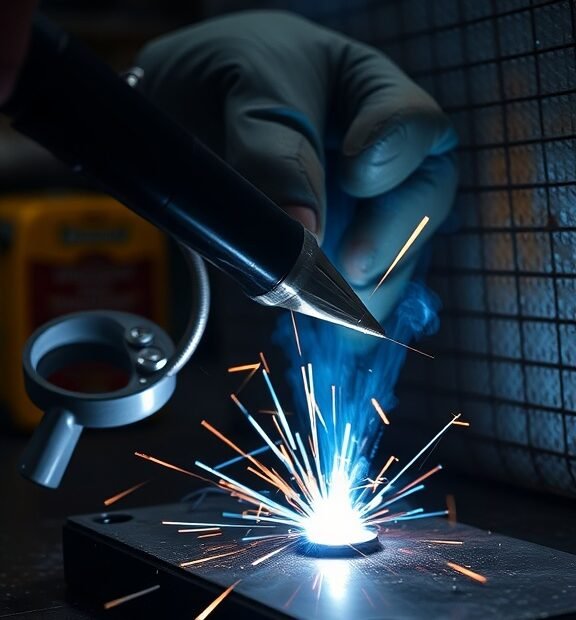
Techniques for Welding Metal with a Soldering Iron
Welding metal with a soldering iron is a fascinating technique that can be used for various projects, especially in electronics and lightweight metal work. Many people may assume that soldering and welding are the same, but they serve different purposes. While welding typically involves high heat and melting metal, soldering uses a lower temperature to join metal pieces. This guide will explore effective techniques for welding metal with a soldering iron to help you achieve strong and clean joins.
Before you get started, ensure you have the right tools and materials. Here’s a quick checklist of what you need:
- Soldering iron (preferably 25-50 watts for better control)
- Rosin core solder (lead-free is a safer choice)
- Metal pieces to join (copper, brass, or other non-ferrous metals)
- Flux (to improve the soldering process)
- Wire cutter and pliers
- Safety goggles and gloves
First, it is essential to prepare the metal surfaces you intend to weld. Cleanliness is key when welding metal with a soldering iron, as contaminants can hinder the soldering process. Use a wire brush or sandpaper to remove any oxidation, rust, or dirt from the surfaces. Make sure that the areas to be joined are shiny and free of debris for the best results.
Once your metal pieces are clean, it’s time to apply flux. Flux helps to prevent oxidation during soldering and improves the flow of solder. Apply a thin layer of flux to the metal surfaces that you intend to bond. Be cautious not to overdo it; a small amount goes a long way in ensuring a strong bond.
Next, heat your soldering iron. Allow the iron to reach its optimal temperature. You can test this by applying the tip to some solder; if it melts quickly and smoothly, your soldering iron is ready to go. Hold your soldering iron against the area you want to join for a couple of seconds to preheat the metal. This preheating will help the solder flow more easily into the joint.
After preheating, it’s time to introduce the solder. Touch the solder wire to the heated joint while keeping the soldering iron in contact with the metal. You will notice that the solder melts and flows into the space between the two pieces. Here are some tips for achieving the best results:
- Use just enough solder to fill the joint without creating lumps. Too much solder can weaken the bond.
- Keep the soldering iron in place until the solder has fully melted and has flowed into the joint.
- Remove the soldering iron and allow the joint to cool for a few seconds. This cooldown phase is crucial for forming a solid connection.
For more considerable metal pieces or applications requiring additional strength, consider using a technique called “tinning.” Tinning involves melting a thin layer of solder onto the surfaces before bringing them together. First, tin one piece by applying the solder directly to it while heating. After it melts, do the same with the other piece. Then, quickly bring the two together and apply heat to reflow the solder. This technique enhances the bond and provides better results when soldering larger items.
Safety should always be a priority when welding with a soldering iron. Always wear safety goggles to protect your eyes from fumes and splatter. Additionally, work in a well-ventilated area to avoid inhaling any toxic fumes released during the soldering process. If you are using leaded solder, be extra cautious and wash your hands thoroughly after soldering.
Take a moment to inspect your work. A well-executed solder joint should have a shiny appearance and a smooth finish. If you notice any dullness or imperfections, you may need to redo the joint. If you need to remove excess solder, use a solder wick or desoldering pump to clean up your project.
Mastering the art of welding metal with a soldering iron may take practice, but with patience and attention to detail, you can achieve excellent results. Remember to continuously refine your skills, and soon enough, you’ll be creating flawless joins that stand the test of time.
Safety Precautions and Best Practices for Soldering Metal
Soldering metal can be a rewarding and useful skill, whether you’re working on electronics, crafting, or repairs. However, it’s crucial to prioritize safety and follow best practices to ensure a successful and secure soldering experience. Below are essential safety precautions and best practices for soldering metal.
Safety Precautions to Take
Before you start soldering, it’s vital to set up a safe working environment. Here are some key safety tips to follow:
- Wear Protective Gear: Always wear safety goggles to protect your eyes from solder splash or fumes. Gloves can also be useful to keep your hands safe from sharp metal edges.
- Ventilation: Solder releases fumes that can be harmful when inhaled. Ensure your workspace is well-ventilated. Open windows or use a fan to improve air circulation.
- Heat-Resistant Surface: Work on a heat-resistant surface to prevent burns and damage. A dedicated soldering mat can prevent your workspace from heating up.
- Keep a Fire Extinguisher Nearby: Have a fire extinguisher readily available in case of any accidental fires. Be aware of how to use it effectively.
- Organize Your Workspace: Keep your soldering station organized. Remove flammable materials and any unnecessary tools or items that might get in the way.
- Check Tools Regularly: Inspect your soldering iron and other tools before use. Ensure everything is in good working condition to avoid malfunctions or accidents.
Best Practices for Soldering
To achieve the best results when soldering, follow these best practices:
- Choose the Right Solder: Use the appropriate solder for your project. For electronics, a rosin-core solder is generally best. For plumbing or metalwork, consider lead-free options for safety.
- Set Temperature Correctly: Ensure your soldering iron is set at the correct temperature. Most electronics require around 350°C (662°F). Too hot can damage components, and too cold may not melt the solder properly.
- Clean the Surfaces: Clean the metal surfaces before applying solder. Remove any oxidation, grease, or dirt to ensure a better solder joint. Use isopropyl alcohol for cleaning.
- Apply Flux: Using flux helps the solder to flow and bond better. Apply a small amount to the areas you will be soldering, especially if you’re working with copper or brass.
- Heat the Joint: Instead of applying solder directly to the iron, heat the joint first. Touch the solder to the joint when it’s hot enough; it should flow into the joint easily.
- Don’t Overheat Components: If you’re soldering sensitive electronic components, be cautious not to overheat them. This can cause damage and lead to malfunction.
- Let the Joint Cool: Allow the solder joint to cool naturally. Do not blow on it or cool it quickly as this can form weak joints.
Maintenance of Tools and Workspace
Maintaining your tools and workspace is essential for safety and efficient soldering:
- Clean the Soldering Iron Tip: Regularly clean the tip of your soldering iron. This prevents oxidation and ensures better heat transfer.
- Store Tools Properly: After use, store your soldering tools properly, ensuring they are cool and safely away from reach, especially in homes with children.
- Regular Inspections: Periodically check your workspace for any hazards. Ensure wires are not frayed and that there are no tripping hazards.
By following these safety precautions and best practices, you can create a safe and effective soldering environment. Remember that soldering is not just about the skill but also about being aware of your surroundings and tools. With proper care, you can produce high-quality work while protecting yourself and others.
Conclusion
Mastering the art of welding metal with a soldering iron opens up a world of creative possibilities for your projects. By understanding the essential techniques for welding, you can make strong, reliable bonds between different types of metal. Key methods include proper heating, using the right solder, and applying the correct amount of pressure while working. Each step is crucial to ensure that the metal pieces are securely joined and can withstand stress.
On the safety side, taking precautions is vital when welding with a soldering iron. Always work in a well-ventilated space to avoid inhaling harmful fumes. Wearing safety goggles, heat-resistant gloves, and protective clothing helps shield you from burns and eye injuries. Additionally, ensure your workspace is free from flammable materials to prevent accidents. Following best practices not only safeguards your well-being but also enhances the quality of your work.
Remember, effective welding requires patience and practice. Don’t be discouraged if your first attempts aren’t perfect. With time, you’ll improve your skills and gain confidence in your abilities. Whether you’re a DIY enthusiast or tackling a project for a specific purpose, welding with a soldering iron can be a rewarding experience. Enhance your techniques and stay mindful of safety practices, and you’ll be well on your way to creating beautiful, durable metalwork. Happy welding!