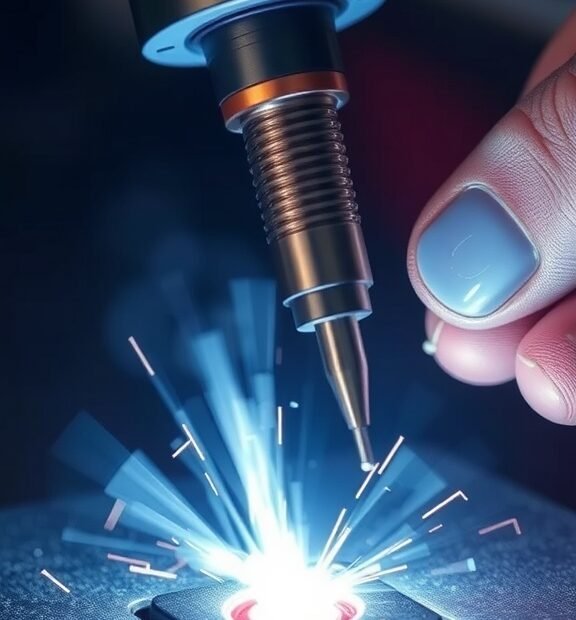
Essential Techniques for Effectively Using a Weller Soldering Iron
Using a Weller soldering iron can be both simple and effective when you understand how to handle it correctly. Whether you are a beginner or an experienced hobbyist, mastering some essential techniques will help you create strong and reliable solder joints. This guide will take you through the important steps and tips necessary for effective use of your Weller soldering iron.
Choosing the Right Soldering Iron Tip
The first step in using a Weller soldering iron is selecting the appropriate tip. Weller offers a variety of tips to fit different tasks. Here are some popular options:
- Fine Point Tip: Ideal for precision work, such as small electronic components.
- Chisel Tip: Best for large areas or tasks that require more heat transfer.
- Beveled Tip: Great for accessibility in tight spots.
Select a tip based on the nature of your project to ensure you get the best results.
Preparing Your Workspace
Setting up a clean and organized workspace is crucial. Ensure you have:
- A well-ventilated area to avoid inhaling fumes.
- A heat-resistant mat to protect surfaces.
- Proper lighting to see your soldering work clearly.
Having everything in its place will help you solder efficiently and safely.
Setting the Right Temperature
Using the correct temperature is essential when soldering. Weller soldering irons come with adjustable temperature settings. Here’s how to set it:
- For most electronics, a temperature between 350°C and 380°C (662°F to 716°F) works well.
- For soldering larger components, you may increase the temperature slightly but avoid going over 400°C (752°F) to prevent damaging sensitive parts.
Always allow your Weller soldering iron to reach the desired temperature before starting your project.
Proper Soldering Techniques
Once you have everything set up, it’s time to start soldering. Follow these techniques for effective connections:
- Tin the Tip: Before beginning, melt a small amount of solder on the tip of the soldering iron. This helps heat transfer and improves the quality of your joint.
- Heat the Connection: Place the soldering iron tip on the joint where the wires or components meet for a second or two. This allows the material to reach the right temperature.
- Apply Solder: Once heated, feed solder into the joint, not directly onto the iron. This helps create a stronger bond as the solder melts the components.
- Remove the Iron: Pull your soldering iron away and allow the joint to cool naturally without disturbance.
Practicing these steps will ensure you make solid connections and avoid cold solder joints.
Cleaning and Maintenance
An important aspect of using a Weller soldering iron is proper maintenance. Regularly cleaning the tip can improve performance. Here’s how to keep it in great shape:
- Use a damp sponge or brass cleaning pad to wipe off residue while you work.
- After finishing, clean the tip thoroughly and apply a small amount of solder to keep it tinned.
- Store your soldering iron safely in a dedicated holder when not in use to prevent damage.
Caring for your soldering iron not only prolongs its life but also enhances its efficiency.
By applying these essential techniques, you can effectively use your Weller soldering iron for a variety of tasks. Remember to select the right tip, prepare your workspace, adjust the temperature properly, and maintain your tool to ensure great results in your soldering projects.
Common Mistakes to Avoid When Soldering with a Weller Iron
Soldering with a Weller iron can be an enjoyable and rewarding hobby, especially when you need to repair electronics or create customized projects. However, it’s easy to make mistakes that can lead to unsatisfactory results or even damage your components. Understanding these common mistakes will ensure your soldering experience is smooth and productive.
Overheating the Components
One significant mistake is overheating the components you are working on. When you excessively heat a component, you risk damaging sensitive parts such as transistors or capacitors. The key is to control the temperature of the Weller iron and only apply heat for as long as necessary. Ideally, you want to heat both the solder and the parts just enough to allow the solder to flow without harming the components.
Using the Wrong Tip Size
Selecting the correct tip size for your Weller iron is essential. A tip that is too large can lead to poor heat transfer and excessive solder application. Conversely, a tip that is too small may not provide enough heat, making it challenging to solder larger connections. Always choose a tip size that matches the task at hand to achieve the best results.
Not Cleaning the Tip Regularly
A common oversight is failing to clean the soldering iron tip frequently. A dirty tip can lead to poor solder connection and can even result in contamination of the joint. To maintain optimal performance, wipe the tip on a wet sponge or brass sponge frequently during use. This will help the solder to flow better, ensuring stronger connections.
Applying Too Much Solder
It can be tempting to apply a generous amount of solder to ensure a good connection, but this often leads to messy joints and may cause short circuits. Instead, use just enough solder to bridge the connection. A good rule of thumb is to apply solder until you see it fill the joint uniformly without excessive overflow.
Ignoring the Flux
Flux is crucial when working with a Weller iron, as it helps to clean and prep the surfaces to be soldered. Neglecting to use flux or employing too little can lead to weak joints and poor connectivity. Always ensure that you are applying the appropriate amount of flux to each connection to promote better results.
Not Preparing the Surfaces
Before soldering, it’s vital to ensure that all surfaces are clean and free of oxidation or dirt. If the surfaces are not clean, the solder may not adhere properly, leading to weak connections. Use isopropyl alcohol and a lint-free cloth to prepare the surfaces, ensuring they are ready for a reliable solder joint.
Forgetting to Use a Helping Hand
Many beginners underestimate the importance of having a helping hand tool or a third hand tool while soldering. Attempting to hold parts in place while soldering can lead to mistakes like misalignment or burns. A helping hand tool can stabilize your components, allowing you to focus solely on making the solder connection securely.
Neglecting Proper Ventilation
Soldering can produce smoke and fumes that might not be healthy to inhale. When you are using your Weller iron, ensure you are working in a well-ventilated area. Open windows and use a fan or fume extractor to minimize your exposure to harmful fumes during soldering.
Not Testing Your Connections
Many soldering enthusiasts forget to test their connections after soldering. This oversight can lead to hours of troubleshooting. After completing your soldering work, always use a multimeter to check for continuity and correct connections. This precaution can save you time and frustration down the line.
Skipping Safety Gear
Many individuals overlook the importance of safety gear while soldering. Always wear safety glasses to protect your eyes from solder splashes and ensure you are working on a non-flammable surface. Using appropriate safety gear will provide a safer environment for your soldering activities.
By keeping these common mistakes in mind, you will greatly improve your soldering skills with a Weller iron. Practice patience and attention to detail, and your projects will turn out much better, reducing the risk of errors and enhancing your overall satisfaction with the process.
Conclusion
Mastering the use of a Weller soldering iron can significantly enhance your soldering skills and elevate the quality of your projects. By applying essential techniques like proper temperature settings, maintaining a clean tip, and using the right solder, you position yourself for success. These fundamental practices ensure strong and reliable joints while also extending the lifespan of your soldering iron.
It’s equally important to be aware of common mistakes that can undermine your efforts. Avoid overheating your components, skipping the pre-tinning of wires, or using too much solder, as these issues can lead to poor connections or damaged parts. By steering clear of these missteps, you can create clean, professional-looking solder joints that perform well over time.
Remember, soldering is as much an art as it is a science. The more you practice, the better you’ll become. Take your time, pay attention to detail, and don’t hesitate to seek out additional resources or tutorials to further improve your skills. With patience and practice, you’ll become proficient in using your Weller soldering iron, leading to greater satisfaction and success in your soldering tasks. Whether you’re a beginner or looking to refine your technique, embracing these strategies will undoubtedly make a positive impact on your crafting experience. Enjoy your soldering journey!