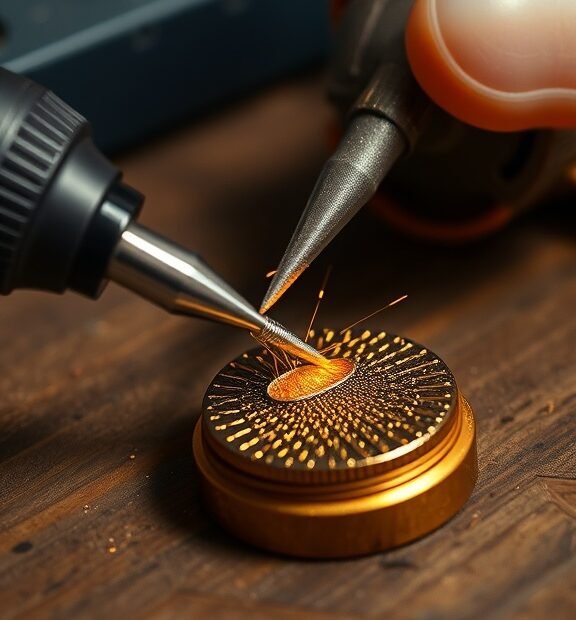
Effective Techniques for Using Solder Paste with a Soldering Iron
Using solder paste with a soldering iron can be a game-changer for your electronic projects. It allows for precise application and can lead to cleaner, more reliable solder joints. If you’re eager to maximize your soldering efficiency with solder paste, here are effective techniques to follow.
Understanding Solder Paste
Solder paste is a mixture of powdered solder and flux. It’s used mainly in surface mount technology (SMT) applications. The flux helps the solder melt and adhere to surfaces more effectively. When using solder paste, it’s essential to know how to apply it properly for optimal results.
Selecting the Right Tools
Before you dive into using solder paste, ensure you have the right tools at hand:
- Soldering Iron: Ensure your soldering iron has a fine tip for precision soldering.
- Solder Paste: Choose a high-quality solder paste suitable for your project needs.
- Stencil: Consider using a stencil for accurate placement of solder paste on the PCB (Printed Circuit Board).
- Squeegee: If you are using a stencil, a squeegee will help spread solder paste evenly.
- Paste Dispenser: A syringe or dispenser can make applying solder paste easier and more controlled.
Preparing the Surface
Proper surface preparation is vital for effective soldering. Clean the areas where you will apply the solder paste. Use isopropyl alcohol and a lint-free cloth to remove any dust, grease, or residue. A clean surface ensures better adhesion and reduces the risk of unexpected issues during soldering.
Applying Solder Paste
Follow these steps to apply solder paste effectively:
- Use a Stencil: If available, align the stencil over the PCB pads. Use a squeegee to spread solder paste over the stencil openings.
- Hand Application: Without a stencil, use a syringe or small applicator to place tiny dots of solder paste on each pad. Aim for a small amount—too much can create solder bridges.
- Check Coverage: Inspect the pads to ensure each one is covered with a sufficient but not excessive amount of solder paste.
Using the Soldering Iron
Once your solder paste is applied, it’s time to heat it with your soldering iron:
- Heat Settings: Set your soldering iron to a suitable temperature, typically around 350°C (662°F). This allows the solder to flow while minimizing damage to the PCB.
- Technique: Gently touch the tip of the soldering iron to the solder paste. You want to melt the paste rather than excessively heat the board.
- Movement: Use a light touch. Move the soldering iron tip across the solder paste to ensure even melting. Observe the solder as it flows—this indicates proper melting.
Troubleshooting Common Issues
Even with careful application, issues can arise. Here are some common problems and how to address them:
- Insufficient Flow: If the solder doesn’t flow well, your iron may not be hot enough, or you might need to apply more heat.
- Bridging: If solder connects two pads unintentionally, it could be due to too much paste. Adjust the application next time for better control.
- Weak Joints: If connections aren’t strong, ensure the pads were clean before applying paste and verify that heat was evenly applied.
Cleaning Up
After soldering, it’s crucial to clean any excess flux residue. Use isopropyl alcohol and a brush or lint-free cloth to wipe down the board. This step not only improves the appearance of your work but also helps avoid potential corrosion issues in the future.
Utilizing solder paste with a soldering iron efficiently enhances your soldering results. By following these techniques, you’ll navigate the process more confidently, leading to improved performance in your electronic projects. With practice, you’ll become adept at creating high-quality solder joints with solder paste.
Common Mistakes to Avoid When Working with Solder Paste
When working with solder paste, precision and care are crucial to achieving the best results. However, many people make common mistakes that can lead to poor solder joints and other complications. Understanding these pitfalls can enhance your soldering experience and improve the quality of your work. Here, we will explore some frequent errors and how to avoid them.
Using Too Much or Too Little Solder Paste
One of the most common mistakes when using solder paste is applying either too much or too little. This can result in components not adhering properly or, conversely, creating solder bridges between pads. Aim for a pea-sized dot of paste for each pad as a general rule. Keep in mind that different sizes of components may require adjustments in the amount of paste used.
Incorrect Storage Conditions
Improper storage of solder paste can significantly affect its performance. Solder paste should be stored in a cool, dry place, preferably in a refrigerator. High temperatures can dry it out and decrease its effectiveness. When you’re ready to use it, allow the paste to reach room temperature to ensure optimal consistency and flow.
Neglecting to Shake or Mix the Paste
Before using solder paste, always shake or mix it well. The components inside can settle over time, leading to inconsistent mixtures. If the solder paste is too stiff, add a tiny amount of flux to achieve the right consistency. A well-mixed paste helps ensure even application and better soldering results.
Not Cleaning the PCB Before Application
Another common error is not cleaning the printed circuit board (PCB) before applying solder paste. Dust, oils, or other contaminants on the board can prevent solder from properly adhering. Always clean the surfaces with a suitable solvent like isopropyl alcohol prior to application. This simple step can make a significant difference in the quality of your connections.
Forgetting to Use the Right Tools
Using the wrong tools for applying solder paste can lead to messy applications. Consider using a stencil to place the solder paste accurately on the pads. Alternatively, you can use a syringe for more intricate work. Make sure your tools are clean and suitable for the type of solder paste you are using to avoid undesired results.
Ignoring Temperature Control
Temperature control during soldering is critical. People often overlook the temperature specifications for their solder paste, leading to issues like insufficient melting or overheating. Check the manufacturer’s recommended temperature range and ensure your soldering iron is adjusted accordingly. This will help in achieving a good bond without damaging the components.
Omitting the Flux
While solder paste typically contains flux, it doesn’t always have enough for optimal performance. Some users might skip applying additional flux altogether. Adding extra flux can help the solder flow better and promote stronger bonds. Just be careful not to overdo it; a little goes a long way!
Neglecting to Inspect Connections
After soldering, it’s vital to inspect your connections. Many people skip this step, thinking everything looks fine. Use a magnifying glass or a microscope to check for common issues such as solder bridges, cold joints, and other fundamental problems. Catching these errors early can save time and effort in the long run.
Failing to Practice Proper Soldering Techniques
Without proper soldering techniques, even the best solder paste can fail. Some common techniques to improve are:
- Keeping the iron tip clean.
- Heating the pad and component from below rather than directly applying solder.
- Applying solder only after the component reaches the required temperature.
By avoiding these mistakes, you can enhance your soldering skills and ensure better results. Each component you solder is a chance to improve, so keep these pointers in mind for a smoother soldering experience. Always stay patient and practice your techniques to develop your proficiency over time.
These strategies will help you avoid common issues associated with solder paste use. Whether you are an amateur or an expert, awareness and attention to detail are key. Happy soldering!
Conclusion
Mastering the art of using solder paste with a soldering iron can significantly elevate your electronics projects. By employing effective techniques such as applying the right amount of solder paste, preheating the area, and ensuring proper tip maintenance, you can achieve strong, reliable connections. Remember, precision is key; a steady hand goes a long way when you want to avoid excess paste and streamline the soldering process.
Equally important is being aware of common mistakes that can hinder your work. Misalignment of components, improper temperature settings, and neglecting to clean the soldering tip can lead to frustrating results. By staying vigilant about these pitfalls, you can enhance your soldering efficacy and create cleaner, more durable joints.
Ultimately, the combination of the right techniques and the avoidance of common errors will ensure that you feel confident in your soldering abilities. As you practice and apply these insights, you will notice a significant improvement in the quality of your work. Whether you are a hobbyist, a student, or a professional, mastering how to use solder paste with a soldering iron opens doors to endless possibilities in the world of electronics. Embrace the challenge, and enjoy the process of creating with precision and skill. Your projects will not only function better but also stand as a testament to your growing expertise in soldering.