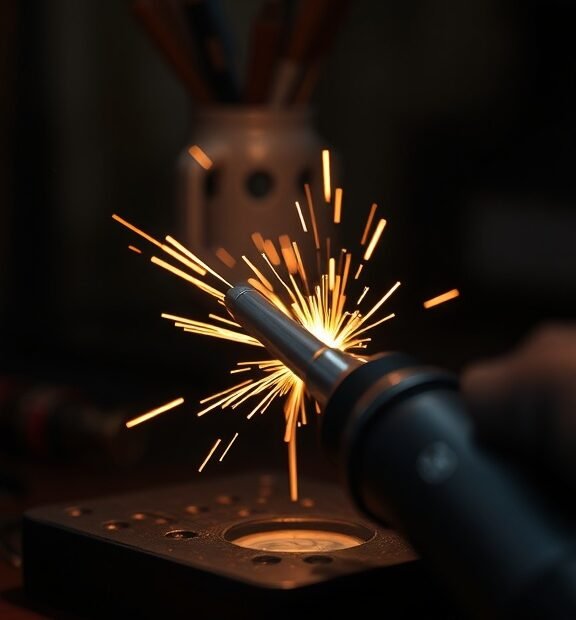
How to Use Hakko Soldering Iron: A Step-by-Step Guide
Using a Hakko soldering iron effectively requires understanding its basic features and following specific steps to ensure quality soldering. This guide will take you through the essential processes.
Before starting, it’s essential to gather all necessary materials. Here’s what you’ll need:
- Hakko soldering iron
- Solder (typically rosin-core solder is the best choice)
- Work surface (heat-resistant mat recommended)
- Soldering iron stand
- Wire cutters
- Safety goggles
- Cleaning sponge or brass tip cleaner
Once you have your materials ready, follow these steps to use your Hakko soldering iron effectively.
Soldering Stations | Easy 60 Day Return
Setting Up Your Soldering Iron
The first step is to set up your soldering iron properly. Plug it into a power outlet and turn it on. Most Hakko soldering irons heat up quickly, often within a few minutes. The recommended temperature for most soldering tasks is around 350°C (662°F). However, you may need to adjust this depending on the components you are working with.
Soldering Stations | Easy 60 Day Return
Prepping Your Workspace
Before you start soldering, prepare your workspace. Make sure you have a clean, dust-free environment. Place your soldering iron on its stand, ensuring it’s away from flammable materials. Put on your safety goggles to protect your eyes from potential splashes of molten solder.
Soldering Stations | Easy 60 Day Return
Cleaning the Soldering Tip
It’s crucial to maintain a clean soldering tip for effective soldering. Use a damp sponge or brass tip cleaner to wipe the tip of the soldering iron. This removes any oxidization and helps the solder flow more smoothly. A clean tip provides better heat transfer, making your soldering tasks easier.
Soldering Stations | Easy 60 Day Return
Positioning Your Components
If you are soldering electronic components, position them correctly. For example, place the leads of the components through the holes of a PCB (printed circuit board). You can bend the leads slightly to keep them in place while soldering.
Soldering Stations | Easy 60 Day Return
Applying the Solder
With the soldering iron heated and the components in position, it’s time to begin soldering:
Soldering Stations | Easy 60 Day Return
- Hold the soldering iron in one hand and the solder in the other.
- Touch the tip of the soldering iron to the joint where the wires or leads meet the PCB.
- After a second or two, feed the solder into the joint.
- The solder should flow around the connection, creating a secure bond. Remove the solder, then the soldering iron.
- Allow the solder to cool for a moment before moving the components.
Inspecting the Solder Joint
Always inspect your solder joint after it cools. A good connection should look shiny and have a smooth finish. If it appears dull or has cracks, you may need to reheat the joint and add more solder. Remember, practice makes perfect, so don’t be discouraged if your first attempts are less than ideal.
Soldering Stations | Easy 60 Day Return
Cleaning Up
Once your soldering projects are complete, it’s time to clean up. Unplug your soldering iron and allow it to cool down. Wipe the soldering tip clean to maintain its condition for future use. Dispose of any excess solder and wire scraps properly.
Soldering Stations | Easy 60 Day Return
Store your soldering iron safely, ensuring it’s out of reach from children or pets.
By following these steps, you can effectively use your Hakko soldering iron for various projects. Remember to work carefully and patiently; with practice, you’ll become proficient in no time!
Common Mistakes to Avoid When Using a Soldering Iron
Using a soldering iron can be a rewarding experience, allowing you to create, repair, or enhance electronic devices. However, various pitfalls exist that can turn this simple task into a frustrating endeavor. Let’s discuss some common mistakes you should avoid when using a soldering iron, ensuring your project goes smoothly.
Soldering Stations | Easy 60 Day Return
Overheating Components
One of the most common mistakes is overheating the components you are soldering. It can damage delicate parts, leading to malfunction or complete failure. To avoid this:
- Use a soldering iron with adjustable temperature settings, allowing you to tailor the heat to the specific components.
- Hold the soldering iron on a joint for only a few seconds. The goal is to heat the connection without overheating the component.
- Let the components cool before applying the solder.
Using the Wrong Solder Type
Not all solder is created equal. Using the incorrect type can lead to weak joints or other issues. Consider the following:
Soldering Stations | Easy 60 Day Return
- Lead-free solder is more common nowadays, but make sure it’s suitable for your project. Look for solder that has proper flux content.
- If you’re working on electronics, a thinner gauge solder (like 0.6mm or 0.8mm) is often preferable for precision.
Neglecting Proper Cleaning
Many users forget to clean their soldering tip, resulting in poor connections. A dirty tip cannot transfer heat efficiently, which can lead to cold joints. To keep your soldering iron in top shape:
- Use a damp sponge or brass wire to clean the tip before and after each use.
- Regularly apply solder to the iron tip, which helps maintain its longevity and improves heat transfer.
Skipping Flux
Flux plays a crucial role in soldering. It prevents oxidation during the soldering process, which can lead to weak joints. Here’s how to ensure flux helps rather than hinders:
Soldering Stations | Easy 60 Day Return
- Always apply flux before soldering. This ensures the solder flows evenly and adheres well.
- If using rosin core solder, you might not need extra flux, but applying it can still enhance results.
Rushing Through the Process
Patience is vital when soldering. Rushing can lead to mistakes like poor joints or hot solder drips. Here are some tips to take your time wisely:
- Work in a quiet and well-lit area to minimize distractions.
- Take breaks when necessary to ensure your focus remains sharp.
Improper Soldering Technique
Your soldering technique plays a significant role in the outcome. Poor technique can result in unsightly solder joints or malfunctioning devices. To improve your soldering skills:
Soldering Stations | Easy 60 Day Return
- Hold the soldering iron at an angle that allows you to easily apply solder around the joint without obstruction.
- Apply the solder to the opposite side of the joint from the iron. This technique allows for better heat distribution and solder adherence.
Failing to Test Connections
After soldering, always test your connections. Skipping this step can lead to wasted time and resources. To effectively test:
- Use a multimeter to check the continuity of your joints.
- Visually inspect your work for any issues such as bridges or inadequate solder.
Ignoring Safety Precautions
Soldering iron use can pose safety hazards. Ignoring these precautions could lead to accidents or injuries. Keep in mind the following safety tips:
Soldering Stations | Easy 60 Day Return
- Always work in a well-ventilated area to avoid inhaling harmful fumes.
- Use safety goggles to protect your eyes from solder splashes.
- Be cautious of the hot soldering iron and keep it away from flammable materials.
By avoiding these common mistakes, you will be able to use your soldering iron more effectively. Mastering soldering takes practice, but being aware of these common pitfalls will make your journey smoother and more enjoyable. Happy soldering!
Conclusion
Becoming proficient in using a Hakko soldering iron can significantly enhance your soldering skills and lead to successful projects. It’s essential to follow a systematic approach when wielding your soldering iron. Start by preparing your workspace, ensuring it’s well-lit and organized to prevent accidents and mishaps. As you learned in our step-by-step guide, remember to choose the right soldering tip for your task. Preheating the iron and using the correct techniques will improve your soldering quality and efficiency.
As you practice, be mindful of common mistakes that can hinder your progress. Overheating components or using too much solder can lead to poor connections and damage. Keeping your soldering iron clean and tinned is crucial for maintaining its efficiency and extending its lifespan. Moreover, always wear safety gear to protect your eyes and hands from potential hazards.
Soldering Stations | Easy 60 Day Return
Embrace the learning process, and don’t rush. Mistakes will happen, but each one is a chance to improve. The more you practice with your Hakko soldering iron, the more confident and skilled you’ll become. Soon enough, you’ll be tackling complex projects with ease and precision, unlocking a world of possibilities in electronics and DIY endeavors. Remember, your journey with soldering is a continual learning experience, and each project will refine your skills further. Happy soldering!