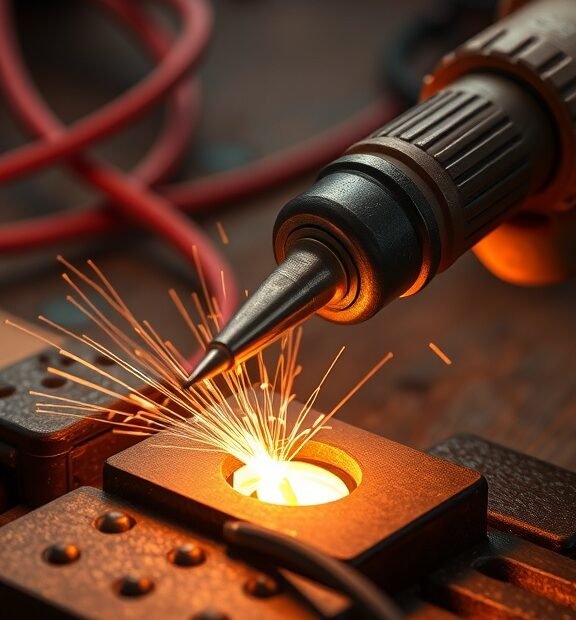
Mastering Techniques: How to Use a Soldering Iron for Wires
Using a soldering iron may seem daunting at first, but mastering the techniques can open up a world of possibilities for your electronic projects. If you’re looking to learn how to use a soldering iron for wires, you’re in the right place. This guide will walk you through the steps to create strong, reliable connections safely and effectively.
Before you start soldering, it’s essential to gather the right tools. A good soldering iron, solder, wire cutters, and a sponge or brass sponge for cleaning the iron’s tip are necessary. Make sure you also work in a well-ventilated area with proper safety gear, like goggles, to protect your eyes, and a work surface that can handle the heat.
Here are the main steps to effectively use a soldering iron for wires:
- Preparation: Begin by stripping the ends of the wires you want to solder. Use wire strippers to remove about half an inch of insulation. Make sure the exposed wire is clean and free from any debris or oxidation.
- Twisting Wires Together: For a solid connection, twist the stripped ends of the wires together. This step helps the wires grip onto each other and promotes better heat conduction during the soldering process.
- Heating the Soldering Iron: Plug in your soldering iron and allow it to heat up for a few minutes. You’ll know it’s ready when the tip is hot enough to melt solder. Make sure to keep the iron upright and avoid touching the tip.
- Tinning the Tip: Before soldering, clean the soldering iron tip using a damp sponge or brass sponge. Then, apply a small amount of solder to the tip. This process, known as tinning, helps with heat transfer and prevents oxidation.
- Applying Heat: Position the soldering iron tip against the twisted wire connection for a couple of seconds, allowing the heat to transfer. Ensure you apply heat evenly to both wires for effective soldering.
- Add Solder: Once the wire connection is hot, feed solder into the joint. The solder should flow into the joint and not just sit on the surface. Remove the solder while keeping the soldering iron in place for a moment until the solder solidifies.
- Remove the Iron: After the solder has cooled and solidified, carefully lift the soldering iron away. Be cautious, as the tip remains very hot.
- Inspect the Joint: Evaluate the solder joint. It should be shiny and smooth, indicating a strong connection. If it appears dull or grainy, you may need to reheat and apply additional solder.
- Clean Up: Before turning off your soldering iron, clean the tip again. This maintenance helps prolong the life of your iron.
- Trim Excess Wire: use wire cutters to trim any excess wire sticking out from your solder joint. This step not only improves the aesthetics but also minimizes the risk of shorts or other issues.
When learning how to use a soldering iron for wires, practice is key. Start with less critical projects to hone your skills. Whether you’re repairing gadgets, creating DIY electronics, or working on scientific projects, getting comfortable with soldering will enhance your craftsmanship.
If you’re worried about making mistakes, consider these tips:
- Start Small: Begin with simple connections before advancing to more complex soldering tasks.
- Use the Right Solder: Select solder with a rosin core for electronics work, as it helps prevent oxidation.
- Stay Patient: Soldering requires time and attention. Don’t rush through it, as mistakes can lead to weak connections.
These techniques into your practice will transform how you work with wires and electronics. With time, you’ll become proficient and confident in using a soldering iron, allowing you to tackle various projects with ease.
Remember, the goal of soldering is not just to connect wires but to create lasting connections that will stand the test of time, ensuring your electronics function reliably. Stick with it, and soon you’ll master the essential skill of soldering.
Essential Safety Tips When Soldering Electrical Connections
Soldering is a critical process in creating reliable electrical connections, whether you are working on electronics at home or in a professional setting. However, while soldering can be a simple task for many, it carries inherent risks. If you want to solder safely and effectively, consider these essential safety tips.
Understand Your Workspace
Before you start soldering, ensure your workspace is clean and organized. This minimizes clutter and helps you focus on the task at hand. Here are a few tips for setting up your soldering area:
- Use a sturdy, heat-resistant surface.
- Keep flammable materials away from your soldering station.
- Make sure you have good lighting to see your work clearly.
Wear Protective Gear
Your safety comes first when soldering. To make sure you are protected, invest in the right protective gear:
- Safety glasses: Protect your eyes from potential solder splashes.
- Heat-resistant gloves: These can shield your hands from burns.
- Apron: A protective apron can help keep your clothes safe from any accidental burns or solder spills.
Handle the Soldering Iron with Care
The soldering iron is the main tool you will be using, and it can reach very high temperatures. Follow these precautions to avoid accidents:
- Always assume the soldering iron is hot, even if you think you just turned it off.
- Never touch the tip of the soldering iron; it can cause severe burns.
- Always place the soldering iron in a holder when not in use. Never lay it down on your workbench.
Use the Right Type of Solder
Different types of solder are available, and selecting the right one is crucial for safety and functionality. Here are some points to consider:
- Lead-free solder: This is safer for your health and the environment.
- Rosin core solder: This helps in creating better electrical connections.
- Check for safety certifications: Always use solder that is compliant with safety standards.
Ventilate the Area
Soldering releases fumes that can be harmful if inhaled over time. To protect yourself, ensure your workspace is well-ventilated. Here are some recommendations:
- Open windows to allow fresh air in.
- Use a fan to circulate the air.
- Consider using a fume extractor to filter out harmful fumes.
Be Mindful of Electrical Components
When soldering, you might be working with various electrical components. Take these precautions to avoid damaging your electronics and ensure your safety:
- Check for polarized components and solder them correctly.
- Be cautious of capacitor discharges; they can retain a charge.
- Make sure your power source is off before you start soldering any connections.
Practice Proper Cleanup
After you finish soldering, take a moment to properly clean the area. Safety doesn’t end when you stop working. Here’s how to clean up:
- Wait until the soldering iron cools completely before putting it away.
- Dispose of any used solder and wire appropriately.
- Store your soldering tools and equipment in a safe place.
Know Emergency Procedures
No matter how careful you are, accidents can happen. It’s important to know what to do in case of an emergency:
- Have a first aid kit on hand, including burn ointment.
- Know how to treat minor burns and where the nearest hospital is.
- Familiarize yourself with local poison control center numbers for any incidents involving inhaled fumes or toxic materials.
By following these essential safety tips, you can minimize the risks associated with soldering. Safety should always be your top priority. With the right precautions, you can enjoy soldering with confidence, knowing that you are protecting yourself as you create secure and lasting electrical connections.
Conclusion
Successfully soldering wires requires both skill and a commitment to safety. As you enhance your soldering techniques, remember that practice is key. Start with simple projects to familiarize yourself with the soldering iron and gradually take on more complex tasks. The right technique not only ensures a strong connection but also prolongs the lifespan of your electrical components. Paying attention to details like heating the wire adequately and applying solder correctly can make a significant difference in the quality of your work.
Safety should always be your top priority when working with soldering tools. Make sure you wear safety glasses to protect your eyes from splashes of molten solder. Working in a well-ventilated space will help you avoid inhaling harmful fumes generated during the soldering process. Additionally, be mindful of your surroundings and keep flammable materials away from your work area. Always remember to turn off and unplug your soldering iron when not in use to prevent accidental burns or fires.
With mastery of techniques and adherence to safety guidelines, you are well on your way to becoming proficient in using a soldering iron for wires. The ability to solder effectively opens up a world of opportunities for DIY electronics and repairs. Whether you’re working on a hobby project or a practical task, your newfound skills will empower you to create and fix with confidence. Embrace the process, keep practicing, and ensure that safety remains at the forefront of every soldering session. Happy soldering!