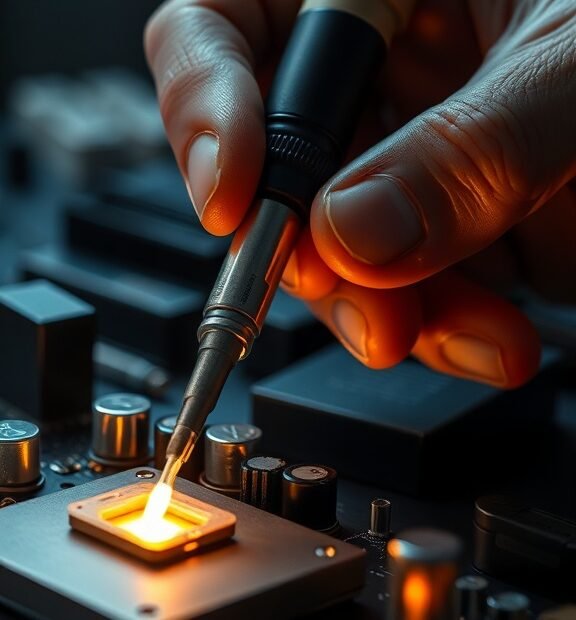
Effective Techniques for Using a Soldering Iron in Electronic Projects
Using a soldering iron is essential for anyone working with electronics. Whether you’re fixing a small device or building your own projects, knowing effective techniques can make a huge difference. Here are some valuable tips to help you achieve solid joints and proficient results.
Choosing the Right Soldering Iron
Before starting your project, pick a quality soldering iron that suits your needs. A few key aspects to consider include:
- Wattage: For most electronics work, a soldering iron between 20 to 60 watts is ideal. Higher wattage irons heat up quickly, making them easier to work with.
- Tip Size: Select a fine tip for precision work, especially on small components. A broader tip can be useful for larger connections.
- Temperature Control: Models with adjustable temperature settings allow you to adapt to different soldering tasks.
Preparing Your Workspace
Your workspace plays a crucial role in successful soldering. Make sure you have:
- Proper Lighting: Good lighting helps you see tiny details clearly.
- Anti-Static Measures: Use an anti-static wrist strap to prevent damage to sensitive electronic components.
- Heat-Resistant Surface: Work on a non-flammable surface to avoid accidents.
Understanding the Soldering Basics
Before you dive into soldering, familiarize yourself with the basic techniques:
- Keep the Tip Clean: A clean soldering tip ensures better heat transfer. Wipe the tip on a damp sponge or brass cleaning pad regularly.
- Heat the Joint: Rather than applying solder directly to the iron, heat the components’ joint. Then, introduce solder into the joint for a strong connection.
- Don’t Overheat: Be cautious not to overheat components, as this can damage them. A quick touch is usually sufficient.
Mastering Soldering Techniques
To enhance your skills, practice these techniques:
- Tinning: Tinning the soldering iron tip helps with heat transfer. Just melt a bit of solder onto the tip before starting a joint.
- Creating a “Cold Joint”: This term refers to an improperly soldered joint. Ensure your solder flows around the connection while it’s hot.
- Using Flux: Flux helps solder flow better and prevents oxidation. Apply it to both surfaces before soldering for optimal results.
Working with Different Components
When working on various electronic components, different methods can apply:
- Through-Hole Components: Insert the leads through the PCB holes, bend them to hold in place, and then solder.
- Surface-Mount Components: For surface-mount technology (SMT), use a fine tip and take care with placement. You may want to use tweezers for accuracy.
Practicing Safety
Your safety should always be a priority when soldering:
- Wear Safety Glasses: Protect your eyes from accidental splashes of molten solder.
- Ventilation: Make sure your workspace is well-ventilated to avoid inhaling fumes from solder.
- Handle with Care: Always treat your soldering iron like a hot tool. Use a stand and never leave it unattended.
Getting Comfortable with Soldering
Like any other skill, getting comfortable with soldering takes practice. Begin with simple projects, such as assembling a basic circuit. As you grow confident, move on to more complex tasks. With time, you’ll master the art of using a soldering iron effectively.
These effective techniques into your electronics projects will surely increase your proficiency and confidence in soldering. With each project, you’ll gain valuable experience that will enhance your skills and lead to a higher success rate in your electronic endeavors.
Common Mistakes to Avoid When Soldering for Electronics
Soldering is a vital skill in the world of electronics, allowing you to join components together securely. However, it’s easy to make mistakes that can lead to poor connections or even damage your electronic projects. By understanding some of these common pitfalls, you can enhance your soldering skills and ensure better results. Here are some mistakes to avoid when soldering for electronics:
Using the Wrong Solder Type
Selecting the appropriate solder is crucial. Different types of electronic solder are suited for various applications. Tin-lead solder is commonly used for its ease of use, but lead-free options are becoming popular due to environmental concerns. Make sure you’re using a solder that fits your specific needs.
Overheating Components
Excessive heat can damage sensitive electronic components. When soldering, be cautious with your technique. Apply heat directly to the joint, not to the component itself. If you find yourself holding the soldering iron on a joint for too long, adjust your approach to minimize heat exposure.
Neglecting to Clean the Work Area
A clean workspace is essential for successful soldering. Dust, debris, and leftover solder can interfere with your connections. Always clean your work surface and ensure that you’re dealing with clean components. This can help ensure better adhesion and prevent unwanted short circuits.
Not Tinning the Soldering Iron
Tinning your soldering iron is often overlooked but is an essential step. By applying a small amount of solder to the tip of your iron, you improve heat transfer and make the soldering process smoother. This technique also helps protect the iron’s tip from oxidation, prolonging its lifespan.
Using Excessive Solder
It might seem like adding more solder will create a stronger connection, but this isn’t the case. Excess solder can lead to bridging connections, causing shorts. Use just enough solder to fill the joint appropriately and secure the connection without overflow.
Incorrect Angle of the Soldering Iron
Your angle when holding the soldering iron matters. Ideally, aim for a 45-degree angle. This allows you to apply heat effectively to the connection and gives you better control over the solder flow. Holding it at the wrong angle can result in sloppy solder joints.
Pushing Solder Instead of Pulling
One common mistake is pushing solder onto the joint instead of pulling it. You should place the solder wire near the joint while drawing the solder towards it. This technique helps create a cleaner joint and reduces the chances of accidental bridging.
Ignoring Safety Precautions
Soldering involves high temperatures and sometimes toxic materials, so safety should always be a priority. Ensure you’re working in a well-ventilated area to avoid breathing in fumes. Also, use safety glasses to protect your eyes from any potential splashes of molten solder.
Not Checking Connections
After soldering, it’s crucial to check your connections. A good habit is to reposition the components and test periodically. This ensures that everything is functioning as expected before you finalize your project. Use a multimeter to check for continuity and shorts.
Failing to Use the Right Tools
Investing in quality tools can make a world of difference in your soldering results. Using the right gauge of solder wire, a reliable soldering iron, and proper safety equipment helps in minimizing mistakes. Each tool is designed for specific tasks, and using them correctly leads to better outcomes.
Here’s a quick checklist of dos and don’ts for soldering:
- Do: Tin the soldering iron before use.
- Do: Keep your workspace clean and organized.
- Don’t: Overheat the components.
- Don’t: Use excessive solder on joints.
- Do: Test your connections after soldering.
By avoiding these common mistakes, you can greatly improve your soldering skills. Proper techniques will lead to more durable and reliable connections in your electronic projects. Take your time, practice regularly, and you’ll see improvement over time.
Conclusion
Mastering the use of a soldering iron can elevate your electronics projects from amateur to professional quality. By employing effective techniques, such as maintaining a clean tip, utilizing the right solder, and ensuring proper heat application, you can achieve strong and reliable connections. These practices play a crucial role in making your soldering process smooth and successful, which ultimately contributes to the overall performance of your electronics.
However, even seasoned hobbyists can fall into common pitfalls. It’s essential to be aware of mistakes such as overheating components, neglecting the cleanliness of your workspace, or using inadequate soldering methods. Each error can undermine your project’s effectiveness and lead to frustration. Staying mindful of these missteps allows you to build your skills and produce more polished projects.
Continuous learning and practice with your soldering iron will lead to growth in your electronics expertise. Embrace the challenges and celebrate your progresses—each successful connection reinforces your abilities. With diligence and attention to detail, you’ll not only sharpen your technical skills but also enhance your creative possibilities in electronics.
Whether you’re a beginner eager to dive into the world of soldering or an experienced enthusiast refining your techniques, remember to keep these insights in mind. The satisfaction that comes from a well-soldered joint is immeasurable, paving the way for innovative projects and a deeper understanding of electronics. Stay curious, keep experimenting, and enjoy the journey!