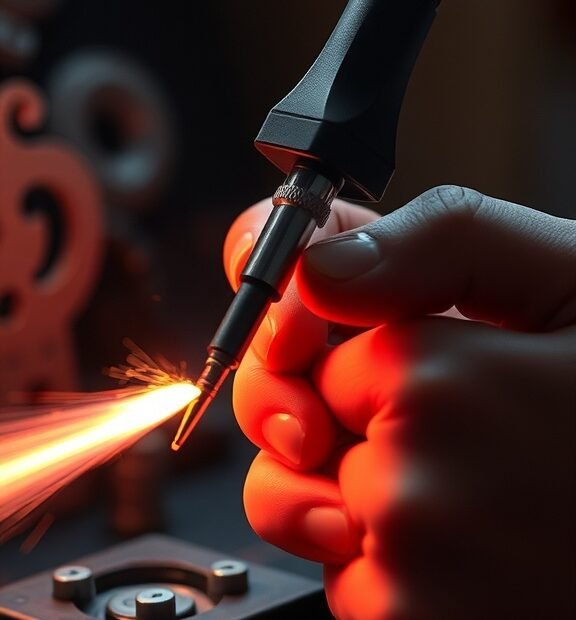
Effective Techniques and Safety Tips for Using a Soldering Iron
Using a soldering iron can seem intimidating at first, but with the right techniques and safety tips, you can master this valuable skill. Whether you’re working on electronics, jewelry making, or crafting, knowing how to use a soldering iron effectively can help you complete projects with ease.
Understanding Your Soldering Iron
Before you dive into any project, it’s essential to understand how a soldering iron works. A soldering iron heats up to melt solder, a metal alloy that joins two or more electronic components together. Most soldering irons come with various tips suited for different tasks, such as fine tips for delicate work and broad tips for larger connections.
Essential Tools You’ll Need
Besides a soldering iron, you’ll need several other tools for an effective soldering session:
YIHUA – Soldering Equipment: https://kunkune.co.uk/shop/category/yihua/
- Solder: Choose the right type. Lead-free solder is safer for the environment and is widely used today.
- Soldering Iron Stand: This helps keep your iron at a safe place when not in use.
- Sponge or Brass Wool: Use this to clean the soldering tip.
- Wire Cutters: For trimming excess wires after soldering.
- Safety Glasses: Protect your eyes from fumes and flying debris.
Setting Up Your Workspace
Creating a safe and efficient workspace is crucial. Here are some tips:
- Work in a well-ventilated area to disperse fumes.
- Use a sturdy work surface that won’t be damaged by heat.
- Keep flammable materials away from your workspace.
Techniques for Effective Soldering
Follow these steps to ensure your soldering is successful:
YIHUA – Soldering Equipment: https://kunkune.co.uk/shop/category/yihua/
- Prepare the Components: Make sure the surfaces to be soldered are clean and free of oxidation. You can scrub them with isopropyl alcohol if necessary.
- Heat the Soldering Iron: Plug in your iron and wait for it to reach the desired temperature. A typical soldering temperature ranges from 350° to 400° Celsius.
- Apply Solder: Touch the soldering tip to both the component lead and the circuit board pad simultaneously. Feed solder into the joint until it flows smoothly.
- Remove the Iron: Pull away the soldering iron and allow the joint to cool undisturbed for a few seconds.
- Inspect Your Work: Ensure the solder joint is shiny and smooth, indicating a strong connection.
Common Mistakes to Avoid
Even seasoned users can make rookie mistakes. Keep an eye out for these:
- Insufficient Heating: If your soldering iron isn’t hot enough, solder won’t flow properly.
- Too Much Solder: Excess solder can create bridges between connections instead of forming a solid joint.
- Not Pre-tinning: Pre-tinning the wires or pads can improve the quality of your solder joints.
Safety Precautions
Safety should always come first when working with a soldering iron. Here are vital safety tips:
YIHUA – Soldering Equipment: https://kunkune.co.uk/shop/category/yihua/
- Always Wear Protective Gear: Safety glasses can prevent injuries from solder splashes.
- Be Aware of Heat: The soldering iron can get extremely hot. Always handle it by the insulated handle.
- Keep Your Workspace Clean: Reducing clutter minimizes the risk of accidents.
- Turn Off When Not in Use: Always unplug your soldering iron when finished to prevent accidental burns.
By incorporating these techniques and safety tips into your soldering practice, you’ll find the process becoming more manageable and productive. With the right approach, mastering the use of a soldering iron can open doors to endless creativity and skill development.
Common Soldering Mistakes and How to Avoid Them
Soldering is an essential skill in electronics and DIY projects, but it’s easy to make mistakes when using a soldering iron. Understanding common soldering mistakes and knowing how to avoid them can lead to better connections, improved projects, and greater satisfaction in your work. Below are some frequent pitfalls to be aware of, along with tips on how to steer clear of them.
Insufficient Heat
One of the most common errors is not using enough heat. If your soldering iron is not hot enough, it may fail to melt the solder properly, leading to weak joints. Always ensure your soldering iron reaches the recommended temperature for the type of solder and work you are doing.
YIHUA – Soldering Equipment: https://kunkune.co.uk/shop/category/yihua/
- Test the temperature with a multimeter if available.
- Give your soldering iron adequate time to heat up before starting.
Overheating Components
While it’s important to apply enough heat, applying too much heat can damage sensitive components. Overheating can burn out electronic parts or cause them to lose their functionality. To avoid this, follow these tips:
- Keep your soldering time to a minimum, ideally less than a few seconds per joint.
- Use a soldering iron with a fine tip for better control and precision.
- Consider using heat sinks to protect sensitive components while soldering.
Poor Soldering Technique
Your technique plays a huge role in the quality of your solder joints. A common mistake is flicking the soldering iron rather than applying it steadily. Instead, adopt a controlled approach:
YIHUA – Soldering Equipment: https://kunkune.co.uk/shop/category/yihua/
- Hold the soldering iron at a 45-degree angle for better access to the joint.
- Apply solder directly to the joint rather than on the iron for a more even melt.
- Make sure to heat both the pad and the lead simultaneously to ensure they bond.
Using the Wrong Type of Solder
There are various types of solder available, and choosing the wrong one can lead to poor connections. Lead-based solder is often easier to work with, but lead-free options may be required for certain applications. Here’s how to decide:
- Determine whether your project requires lead-free solder, especially for compliance with regulations.
- Choose solder that suits your project needs in terms of melting point and flow characteristics.
Not Cleaning the Joint
A dirty joint can prevent solder from bonding effectively. Any oil, oxidation, or dust will create barriers. Always clean the surfaces before soldering:
YIHUA – Soldering Equipment: https://kunkune.co.uk/shop/category/yihua/
- Use a small brush or a clean cloth to wipe down components.
- Consider using flux to improve solder flow and connection quality.
Using Too Much Solder
Applying an excessive amount of solder is a common issue for beginners. Too much solder can result in blobs and unintended connections between adjacent pads. To avoid this:
- Start with a small amount of solder and add more only if necessary.
- Watch for the solder forming a neat dome on the joint—a good solder joint should be shiny, not a massive blob.
Neglecting Safety Precautions
Working with a soldering iron can be dangerous if proper safety measures are not taken. Burns and smoke inhalation are real concerns. Follow these safety tips:
YIHUA – Soldering Equipment: https://kunkune.co.uk/shop/category/yihua/
- Always work in a well-ventilated area to avoid harmful fumes.
- Wear safety glasses to protect your eyes from splashes and debris.
- Use a stand for your soldering iron when not in use, to prevent burns or fires.
By avoiding these common soldering mistakes, you can improve your skills and achieve better results. Remember, practice makes perfect—take the time to master your technique and pay careful attention to details, and you will see great improvements in your soldering work. Whether you are repairing electronics or building your own projects, following these tips will lead to successful, professional-looking results.
Conclusion
Mastering how to use a soldering iron is an essential skill for both hobbyists and professionals alike. By applying effective techniques and adhering to safety tips, you can enhance your soldering experience. Always remember to securely hold your soldering iron, keep your workspace organized, and wear protective gear to avoid accidents.
Avoiding common mistakes is crucial in achieving strong, reliable joints. For instance, using too much solder or overheating components can lead to weak connections or damage. Instead, focus on applying just the right amount of solder and maintaining the correct temperature to ensure the best results.
YIHUA – Soldering Equipment: https://kunkune.co.uk/shop/category/yihua/
Additionally, investing time in practicing your soldering skills will build your confidence and improve your technique over time. With patience and dedication, you can develop solid soldering habits that yield professional-quality results.
Whether you’re assembling electronics, fixing devices, or diving into DIY projects, the ability to effectively use a soldering iron opens up a world of possibilities. Remember, mistakes are a natural part of the learning process; learn from them and continue to refine your skills.
YIHUA – Soldering Equipment: https://kunkune.co.uk/shop/category/yihua/
Equipped with this knowledge, you can tackle your soldering projects with assurance and creativity. Embrace the journey of becoming proficient with your soldering iron, and let your new skills pave the way for countless rewarding projects ahead.