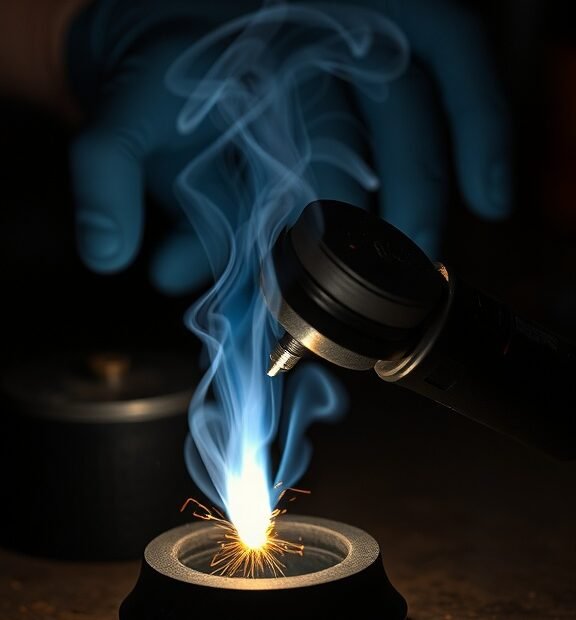
Essential Tips for Using a Butane Soldering Iron Effectively
Using a butane soldering iron can be a game-changer for your DIY projects. Not only is it portable, but it also heats up quickly and is flexible enough for a range of applications. Whether you’re soldering wires or working on delicate electronics, knowing how to use this tool effectively can make all the difference. Here are essential tips to help you master the butane soldering iron.
Understanding Your Tool
Before you dive in, familiarize yourself with the components of your butane soldering iron. It typically includes a fuel chamber, an igniter, and various interchangeable tips. These tips vary in size and shape to accommodate different soldering tasks.
Preparing the Workspace
A clean and organized workspace is crucial for effective soldering. Here are some steps to set up your area:
- Choose a flat, non-flammable surface.
- Keep your materials within reach but away from potential hazards.
- Ensure good lighting to see your work clearly.
Fueling the Soldering Iron
Proper fueling is vital for optimal performance. Follow these steps:
- Turn the soldering iron off and let it cool down.
- Fill the fuel chamber with butane. Make sure to use high-quality butane, as this will affect the flame quality.
- Allow the iron to stand upright for a few minutes to avoid leakage.
Adjusting the Flame
Once fueled, you need to adjust the flame to suit your project. A weak flame is suitable for delicate tasks, while a stronger flame can handle soldering heavier materials. Tweaking the flame may take a few tries, so don’t hesitate to experiment until you find what works best for you.
Using the Right Tip
Selecting the proper tip is essential for effective soldering. Here’s a brief overview:
- Chisel Tip: Great for larger surfaces and heat transfer.
- Fine Tip: Ideal for detailed work, such as electronics.
- Conical Tip: Useful for precision tasks.
Practicing Proper Technique
The way you hold and use the soldering iron matters. Here are a few techniques to ensure a solid solder joint:
- Hold the iron at a slight angle to improve access to the area you’re working on.
- Do not apply excessive pressure; let the heat do the work.
- Heat the joint evenly for about 1-2 seconds before applying solder.
Safety First
Safety is paramount whenever you use a soldering iron. Keep these tips in mind:
- Use safety glasses to protect your eyes from solder splashes.
- Work in a well-ventilated area to avoid inhaling fumes.
- Keep a fire extinguisher close by in case of emergencies.
Cleaning the Tip
A clean tip improves performance and extends the life of your soldering iron. Here’s how to maintain it:
- Wipe the tip on a damp sponge after each use.
- Avoid using abrasive materials that can damage the surface.
- Perform regular inspections to ensure there’s no oxidation.
Finishing Your Project
Once you’ve completed soldering, it’s time to inspect your work:
- Check for any cold solder joints, which may look dull or hexagonal instead of smooth and shiny.
- Ensure all connections are secure and well-formed.
- Allow the solder to cool completely before moving or handling the piece.
By following these essential tips, you can enhance your soldering skills with a butane soldering iron. Remember, practice makes perfect, so don’t hesitate to try different techniques until you find what works best for your specific projects. Happy soldering!
Safety Precautions When Working with Butane Soldering Tools
When using butane soldering tools, it’s essential to prioritize safety. These versatile tools can be very effective, but they also present specific risks if not handled properly. To ensure a safe and successful soldering experience, follow these important safety precautions.
Understanding Butane Soldering Tools
Butane soldering irons are portable devices that use butane fuel to generate heat for soldering tasks. Their convenience makes them popular among DIY enthusiasts and professionals alike. However, incorrect use can lead to burn injuries or fire hazards. Recognizing how to use these tools safely is crucial for anyone looking to incorporate them into their projects.
General Safety Guidelines
When working with butane soldering tools, keep the following safety tips in mind:
- Read the Instructions: Always read the manufacturer’s manual before using the tool. Each model may have different features and requirements.
- Work in a Well-Ventilated Area: Ensure you are in a space with good airflow to avoid inhaling fumes released during soldering.
- Keep Flammable Materials Away: Keep all flammable materials at a safe distance from your working area. This includes paper, fabric, and any chemicals that could catch fire.
- Wear Protective Gear: Always wear safety glasses to protect your eyes from solder splashes. Long sleeves and gloves can protect your skin from burns.
Fuel Handling Precautions
Properly handling butane fuel is critical to avoiding dangerous situations. Here are essential tips to keep in mind:
- Check for Leaks: Before refueling, inspect the butane canister and its connections for leaks. If you notice any signs of leaks, do not use the tool.
- Refuel Outdoors: Always refuel the soldering tool outdoors to prevent the accumulation of flammable gas indoors.
- Use the Correct Fuel: Only use butane fuel specified by the manufacturer to maintain optimal performance and safety.
Safe Operating Practices
Implementing safe practices while working with the tool will protect you and those around you:
- Switch Off When Not in Use: Always turn off your butane soldering iron when not in use, and allow it to cool down before setting it down.
- Maintain Control: Always keep a firm grip on the soldering tool while in use to maintain control and minimize the risk of accidental burns.
- Plan Your Work Area: Organize your workspace to ensure that all necessary materials are within reach, reducing the need to move away from your tool.
Emergency Preparedness
No matter how careful you are, accidents can happen. Being prepared for emergencies is key:
- Know Emergency Procedures: Familiarize yourself with emergency response procedures in case of accidents or burns. Know how to extinguish a fire, and keep a fire extinguisher nearby.
- Have a First Aid Kit Handy: Keep a first aid kit accessible in your work area for quick responses to minor injuries, like burns or cuts.
Post-Use Care and Storage
After using your soldering tool, proper care and storage are fundamental:
- Cool Down: Ensure the soldering iron is completely cooled down before storing it to prevent accidental burns.
- Store Safely: Store the tool in a dry place away from heat sources, and make sure the butane canister is secured to prevent leaks.
By following these safety precautions when working with butane soldering tools, you can minimize risks and ensure a safe working environment. Remember that safety is just as important as the skills you bring to your crafting and soldering projects. Keep safety at the forefront, and you’ll enjoy a rewarding and incident-free soldering experience.
Conclusion
Using a butane soldering iron can greatly enhance your projects, whether you’re working on electronics, jewelry, or DIY crafts. By following essential tips like choosing the right flame size, keeping your workspace tidy, and practicing before diving into your main project, you can achieve better results. Remember, practice makes perfect! The more comfortable you become with the tool, the more precise your soldering will be.
Safety should always be your top priority. Make sure you are working in a well-ventilated area to avoid inhaling any harmful fumes. Always wear safety goggles to protect your eyes from potential sparks. Furthermore, remember to keep flammable materials away from your workspace. Treat the butane soldering iron with respect—it can easily cause burns or start fires if not handled correctly.
Regularly maintaining your soldering iron will lead to better performance and longevity. Keep the tip clean and free of oxidation, and ensure that you refill the butane properly, following the manufacturer’s guidelines. With the right techniques and safety measures in place, you can use a butane soldering iron confidently and effectively.
Embracing this powerful tool opens up new opportunities for creativity and skill in your projects. So, gather your materials, apply the tips and safety practices discussed, and let your soldering journey begin! With time and practice, you’ll master the art of using a butane soldering iron, achieving remarkable results in no time.