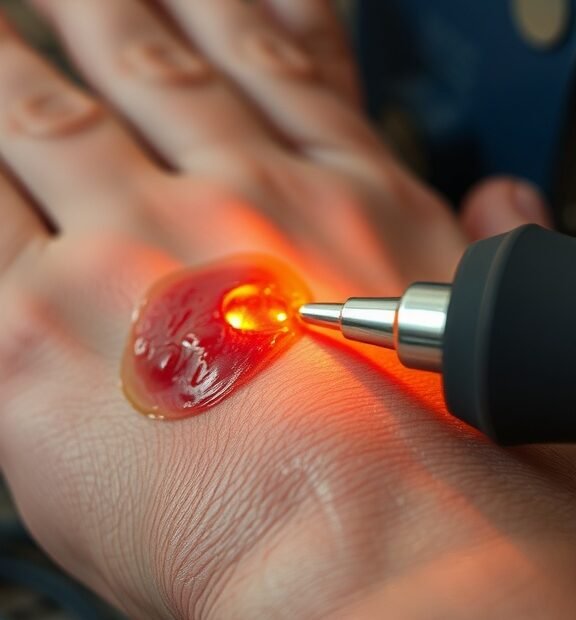
Effective Methods for Treating a Burn from a Soldering Iron
Burns from soldering irons can be painful and frightening, but knowing how to treat them effectively can make a significant difference. If you find yourself with a burn, it’s essential to act quickly and appropriately. Here are effective methods you can use to treat a burn from a soldering iron, helping to alleviate discomfort and promote healing.
When you receive a burn, first, determine the severity of the injury. There are three degrees of burns: first-degree, second-degree, and third-degree. A first-degree burn affects only the outer layer of skin and is characterized by redness and mild pain. A second-degree burn involves the outer layer and part of the underlying layer, causing blisters and more intense pain. A third-degree burn is severe and may damage deeper tissues. If you have a third-degree burn, seek medical attention immediately.
Here’s how to treat a first-degree burn:
Soldering Iron Kits & Accessories
- Cool the burn: Gently run cool (not cold) water over the burn for about 10-15 minutes. This helps reduce heat and swelling. Avoid using ice or very cold water, as it can further damage the skin.
- Clean the area: After cooling, gently cleanse the burned area with mild soap and water. Pat it dry with a clean towel.
- Apply a soothing ointment: Use an antibiotic ointment or aloe vera gel. These help to keep the area moist, reduce pain, and prevent infection. Make sure to apply it gently without rubbing.
- Cover the burn: Use a sterile, non-stick bandage or clean cloth to cover the burn. This protects it from dirt and bacteria, reducing the risk of infection.
- Pain relief: Over-the-counter pain relievers, such as ibuprofen or acetaminophen, can help manage any discomfort you may feel.
For a second-degree burn, additional care is necessary:
- Follow the first-degree burn steps: Start with cooling the burn and cleaning it.
- Do not pop blisters: If blisters form, do not burst them. Popping blisters can lead to infection. If a blister breaks on its own, clean the area gently and apply a bandage.
- Moisture is key: Keep the burn moist. You can use a hydrogel dressing or continue applying aloe vera gel. Keep the area covered with a sterile dressing.
- Monitor for infection: Watch for signs of infection like increased redness, swelling, or pus. If you notice these symptoms, consult a healthcare professional immediately.
- Stay hydrated and nourished: Your body needs adequate hydration and nutrition to heal effectively. Drink plenty of water and eat a balanced diet.
If the pain worsens or the burn does not begin to heal after a few days, seek medical help. Healing a burn properly can prevent complications and promote faster recovery. Avoid sun exposure to the burn area until it has healed completely.
Soldering Iron Kits & Accessories
In the case of a third-degree burn, which is considered a medical emergency:
- Do not remove clothing stuck to the burn.
- Cover the burn with a clean, dry cloth to protect it from infection.
- Seek medical assistance immediately by calling emergency services.
Prevention is always better than cure. When working with a soldering iron, take proper precautions to avoid burns. Here are some tips:
Soldering Iron Kits & Accessories
- Always use soldering irons with caution and ensure you work in a well-lit, organized space.
- Wear protective gloves to create a barrier between your skin and the hot iron.
- Use a soldering iron holder when the tool is not in use to prevent accidental burns.
- Make sure to be focused while soldering to reduce the risk of accidents.
Knowing how to effectively treat a burn from a soldering iron not only helps in alleviating pain and promoting healing but also equips you with the knowledge to handle future incidents better. With these methods and preventive measures in hand, you can ensure your safety while working with soldering tools.
Preventative Measures to Avoid Soldering Iron Burns
Using a soldering iron is a common task in many DIY projects, electronics repairs, and crafting. However, it also comes with its risks, notably the potential for burns. Preventing soldering iron burns is essential to ensure your safety and comfort while working. Here are some effective strategies to keep you burn-free and focused on getting your project done.
1. Wear Appropriate Protective Gear
One of the simplest and most effective ways to prevent burns is to wear protective gear. Here are some recommendations:
Soldering Iron Kits & Accessories
- Heat-Resistant Gloves: Wearing gloves made from heat-resistant materials can provide a barrier between your skin and the hot soldering iron.
- Safety Glasses: Protect your eyes from any potential solder splashes that may occur during the soldering process.
- Long-Sleeved Clothing: Opt for long sleeves to protect your arms. Natural fibers like cotton are ideal, as they can resist heat better than synthetic materials.
2. Use a Soldering Iron Stand
After using your soldering iron, it’s crucial to place it on a stand designed for this purpose. Leaving a hot soldering iron on an unsteady or inappropriate surface increases the chance of accidental contact with your skin. A good stand keeps the soldering iron securely in place, minimizing the risk of burns.
3. Maintain a Clean Workspace
A tidy workspace not only helps you focus but also reduces the risk of accidents. Here’s how to maintain safety:
Soldering Iron Kits & Accessories
- Clear Clutter: Make sure that your workspace is free from unnecessary items that may distract you.
- Organize Tools: Keep your tools arranged and in designated spots to avoid fumbling around with hot items.
- Mark Hot Zones: If possible, use tape or placards to label areas that can become dangerous when using a soldering iron.
4. Be Mindful of Your Grip
How you hold your soldering iron affects your control and the likelihood of accidental burns. Here are some tips to improve grip safety:
- Use Both Hands: When soldering, it’s a good practice to secure what you’re working on with one hand while using the other to control the soldering iron.
- Proper Positioning: Maintaining a comfortable posture while working can help you manage the soldering iron more effectively, decreasing the chance of dropping it.
- Don’t Rush: Taking your time allows for more deliberate movements, reducing the risk of mishaps.
5. Set Up an Adequate Work Area
Your environment plays a significant role in your safety. Here are some factors to consider:
Soldering Iron Kits & Accessories
- Work on a Non-Flammable Surface: Use a heat-resistant mat or a designated area that won’t catch fire.
- Good Lighting: Ensure your workspace is well-lit so you can see clearly what you are doing at all times.
- Ventilation: Working in a well-ventilated area helps disperse any fumes, making the environment safer overall.
6. Keep a First Aid Kit Nearby
Even with all precautions, accidents can happen. Having a first aid kit within reach is a smart decision. Here’s what to include:
- Burn Cream: This can help alleviate pain and protect minor burns.
- Gauze and Bandages: Use these to cover any injuries, preventing infections while they heal.
- Cold Compress: Keeping a cold pack handy can cool down painful burns quickly.
By integrating these preventative measures into your soldering routine, you can significantly reduce the risks of burns. Staying safe allows you to focus on your projects without concern for injury. Remember, being cautious and prepared is just as important as having the right tools for the job. Take these steps today to protect yourself as you engage in your next soldering adventure!
Conclusion
Taking swift action when treating a burn from a soldering iron can significantly reduce discomfort and promote proper healing. You should always start by cooling the burn under running water for at least 10 minutes, which helps to minimize damage to your skin. Following this, applying a gentle antiseptic ointment and covering the area with a sterile bandage will protect it from infection. If the burn is severe, consulting a medical professional is crucial to ensure you receive appropriate care.
Soldering Iron Kits & Accessories
Beyond immediate treatment, implementing preventative measures is essential to avoid such accidents in the future. Always remember to use protective gear, such as heat-resistant gloves and safety goggles, when working with soldering equipment. Keeping your workspace organized and free from distractions can also play a significant role in preventing mishaps. Familiarizing yourself with the tools and best practices in soldering can further mitigate risks.
By prioritizing safety and knowing how to respond effectively to burns, you can enjoy your soldering projects with confidence. Remember, being proactive in taking safety measures not only protects your skin but also enables you to focus on your work without worry. Whether you’re a seasoned pro or a beginner, understanding these treatments and prevention strategies will keep your crafting experiences safe and enjoyable. Stay aware, stay safe, and keep soldering!